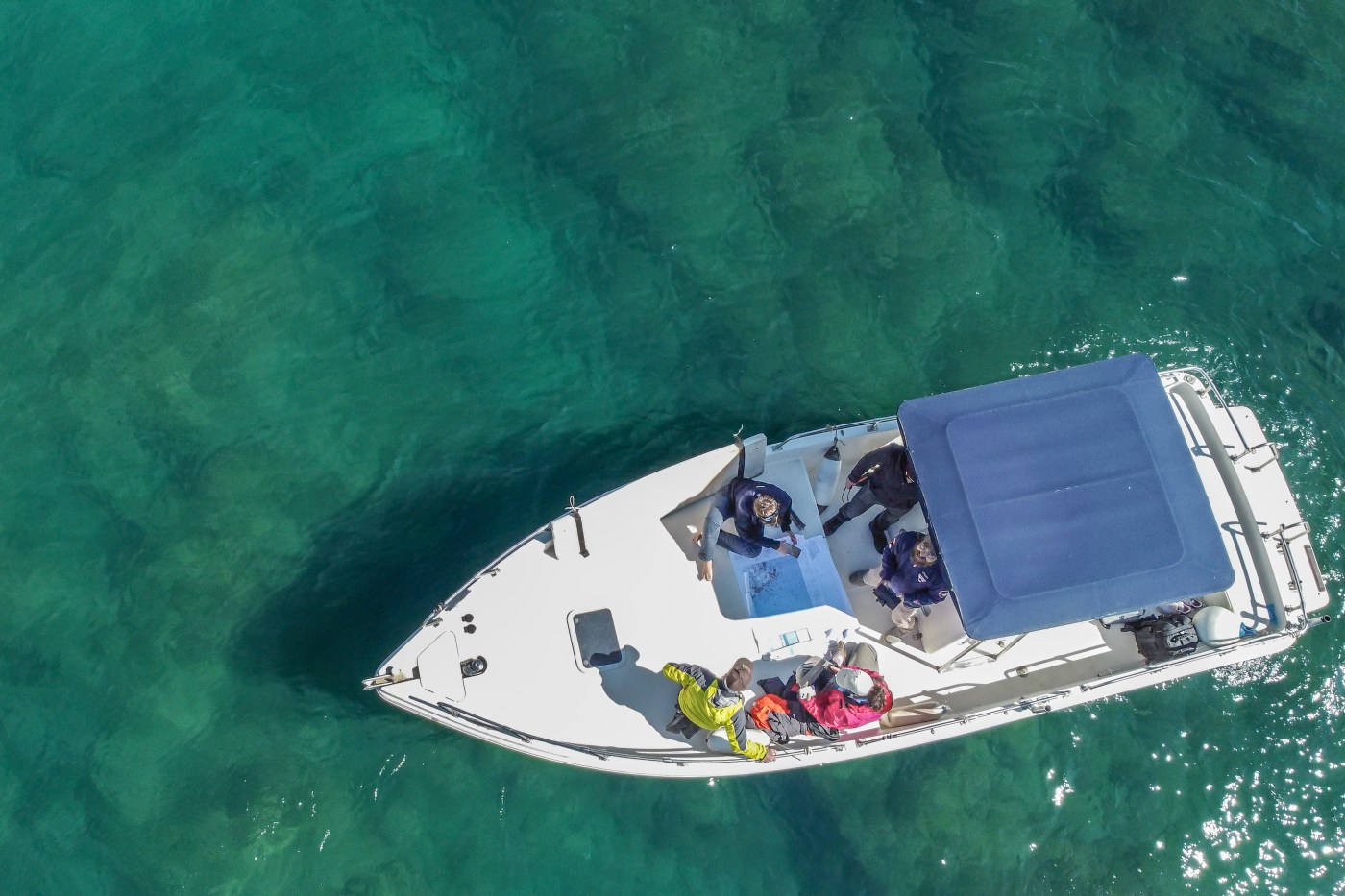
Collaboratorium for the Socio-Environmental Analysis of the Ocean
[head photo Giuseppe Lupinacci]
[logo Allegra Guerrazzi]
CO>SEA is a research team based at Sapienza University of Rome (Department MEMOTEF, Italy) whose creation has been supported by the European Commission Prize for Citizen Science 2024 and endorsed by the U.N. Ocean Decade Activity 2025.
Approach and methods
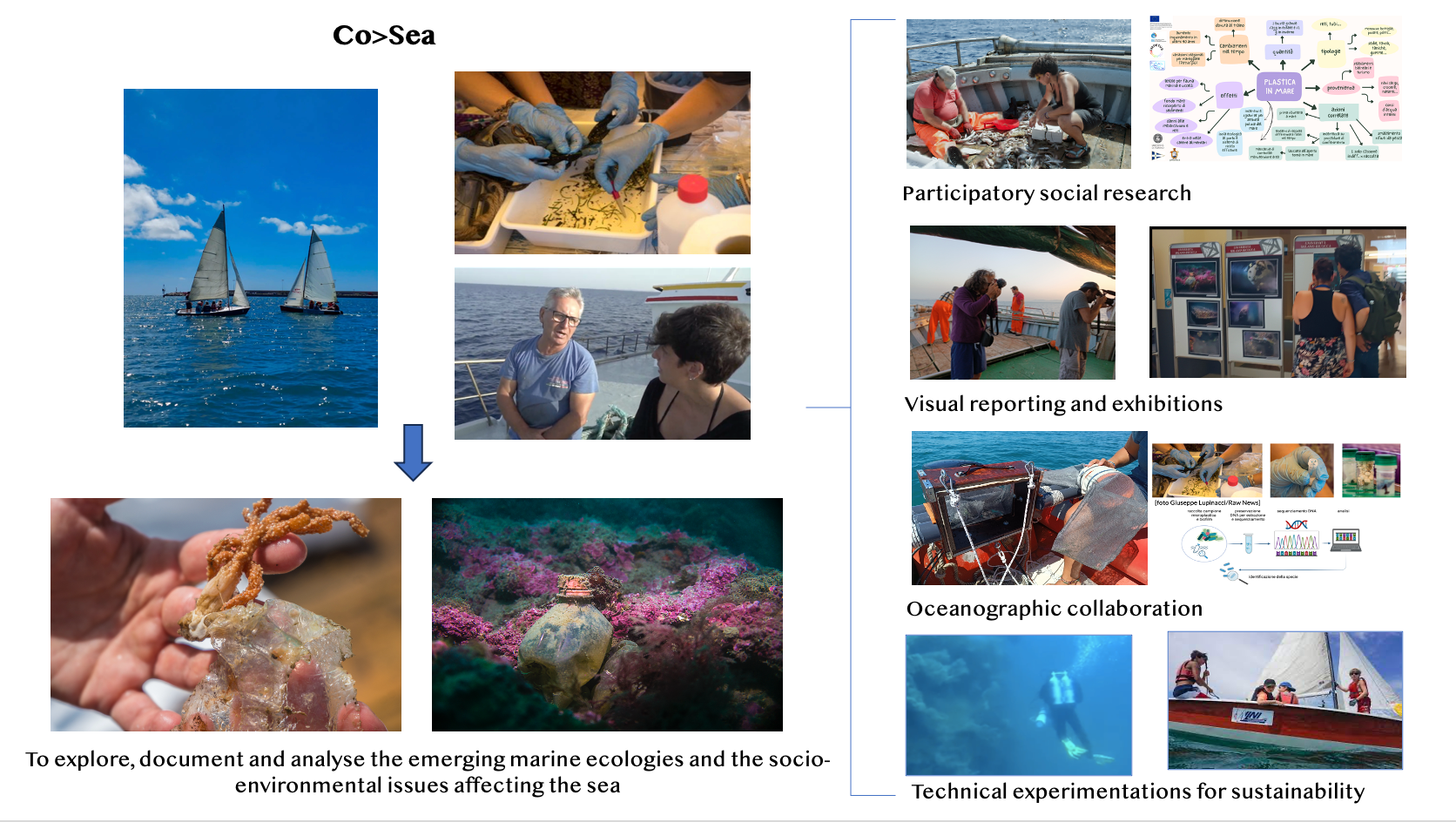
The team promotes intersectoral and international collaboration by integrating three complementary approaches to marine research: Marine Social Geography, Oceanography, and Visual Documentation. Its work investigates socio-ecological transformations affecting the global ocean and their local manifestations, with particular attention to the relationships between human and non-human societies and marine environments. CO>SEA advances sustainable marine governance grounded in the needs of local communities. Through citizen science, participatory action research, and visual documentation, it fosters a culture of respect for the ocean as a shared common good. Within its framework, the sea is understood both as a physical and conceptual space for rethinking human relationships within complex and evolving ecological systems.
The methodological approach is inspired by the “Collaboratorium” model promoted by the Ghent University as a hybrid practice of research and creative collaboration where actors from different sectors “think together about problem definitions and possible solutions, future visions and strategies, (living lab experiments and upscaling initiatives, etc.), and seek to translate these issues into concrete assignments for master thesis work, group writing assessments, policy-oriented research, etc.“
Working philosophy
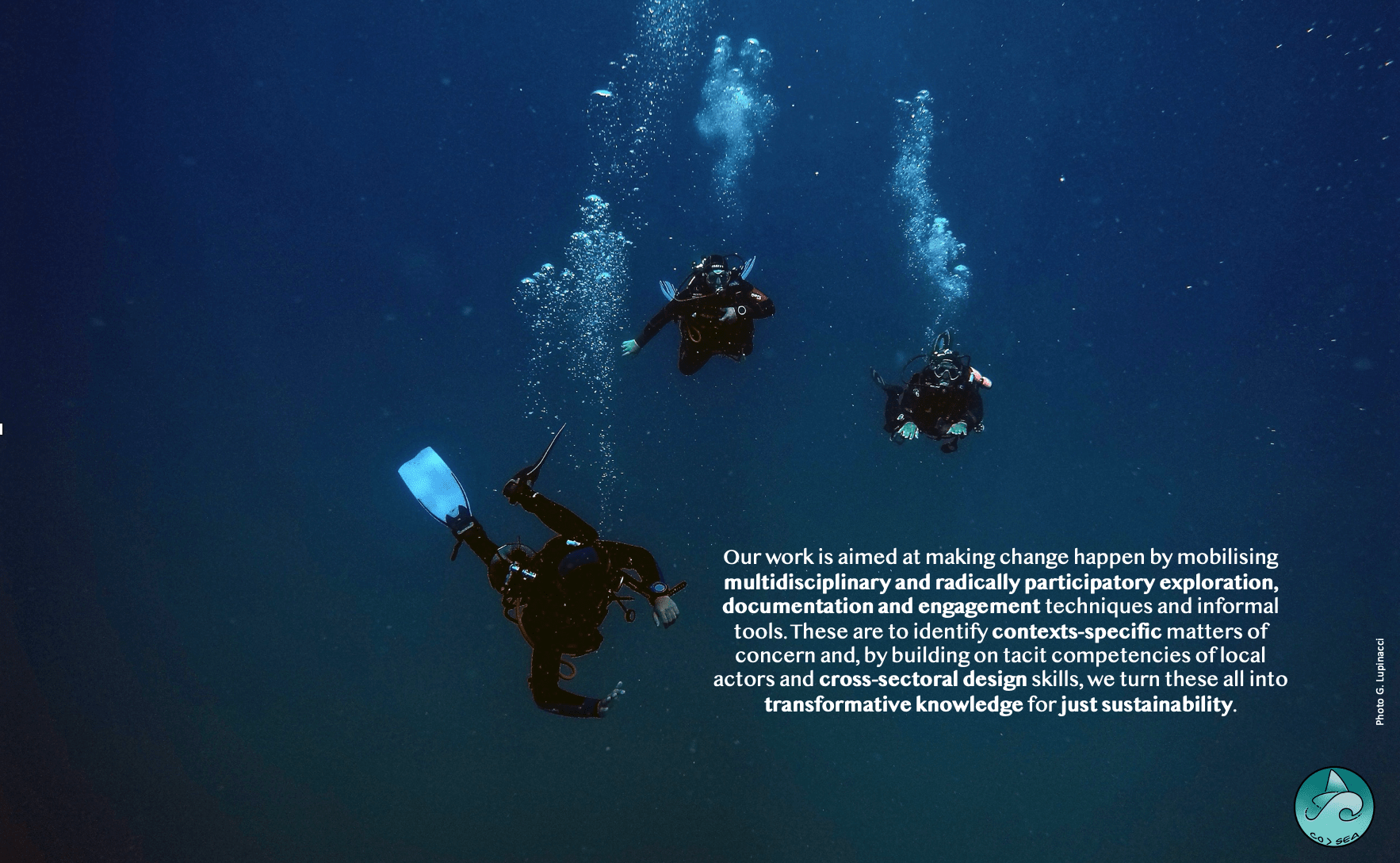
The team develops radically participatory processes for identifying, documenting, and communicating socio-environmental challenges, while supporting collaborative exploration of potential solutions. Its methodologies combine ethnographic research, cultural geography, visual methods, and oceanographic approaches, with a strong emphasis on participatory citizen science—where knowledge is co-produced by researchers and non-professionals. This enhances public engagement with marine environments that are often physically and cognitively inaccessible, mobilizes local and tacit knowledge, addresses place-based concerns identified by stakeholders, and contributes to both international research networks and locally grounded processes of transformation. See:
The SailingLab soft infrastructure
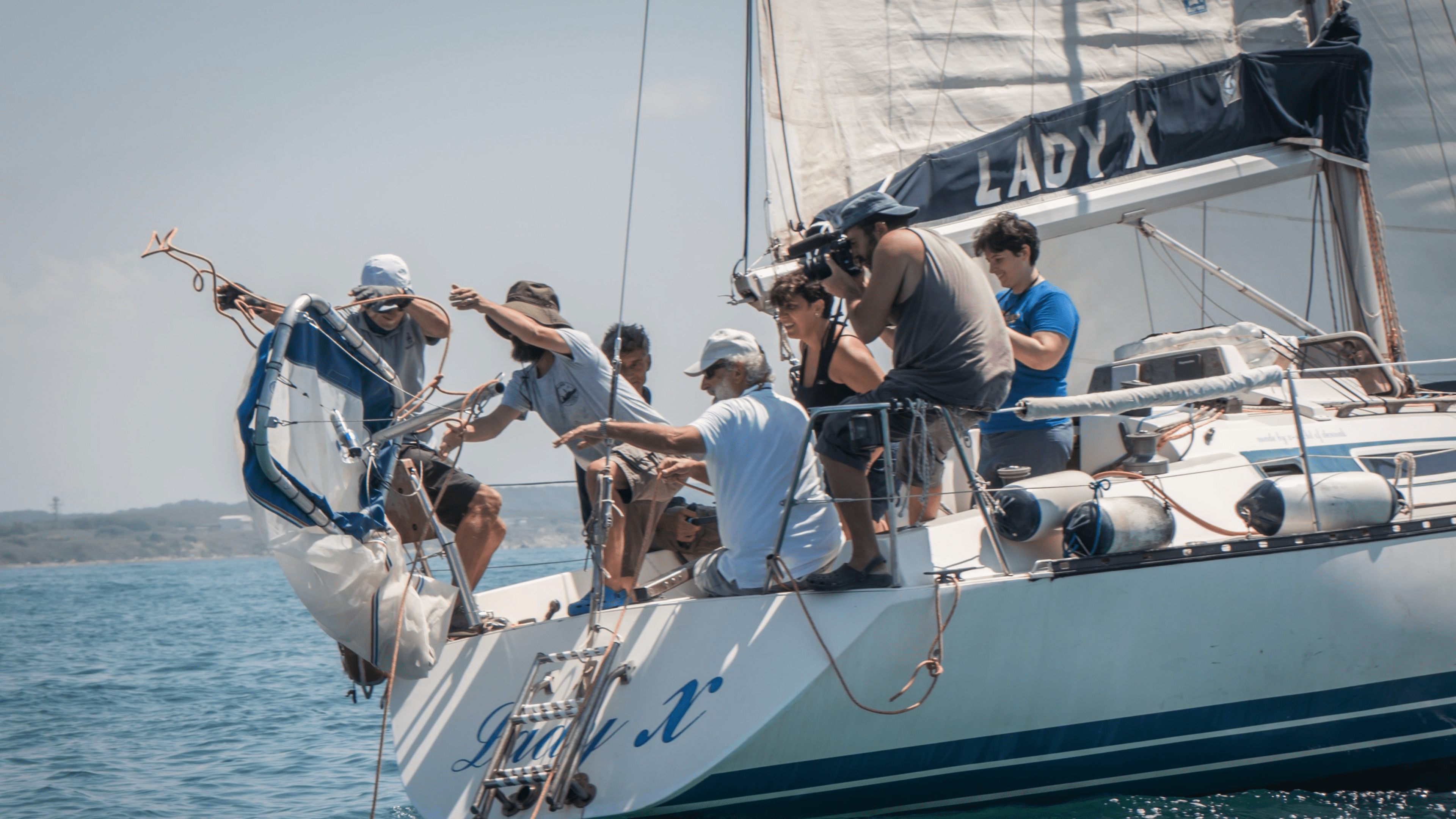
CO>SEA explores how sailing can serve as a tool, an object, or a context for scientific research. While going out to sea—whether by sail or motorboat—is essential for oceanography, marine biology, and many other natural-science disciplines, sailing also opens up radically different approaches to social and cultural research. Being at sea offers new perspectives on reality, shapes our understanding of major environmental challenges, and affects the ways we make sense of the world. Moreover, sailing for research can contribute to decarbonising access to the ocean, bringing people closer to marine environments and reclaiming sailing as an ancient, affordable, and sustainable way of moving and engaging directly with the most pervasive environment on Earth. This also helps to challenge the perception of sailing as an exclusive, high-cost, elite activity, restoring its potential as a shared and accessible practice. See:
CO>SEA Projects Portofolio
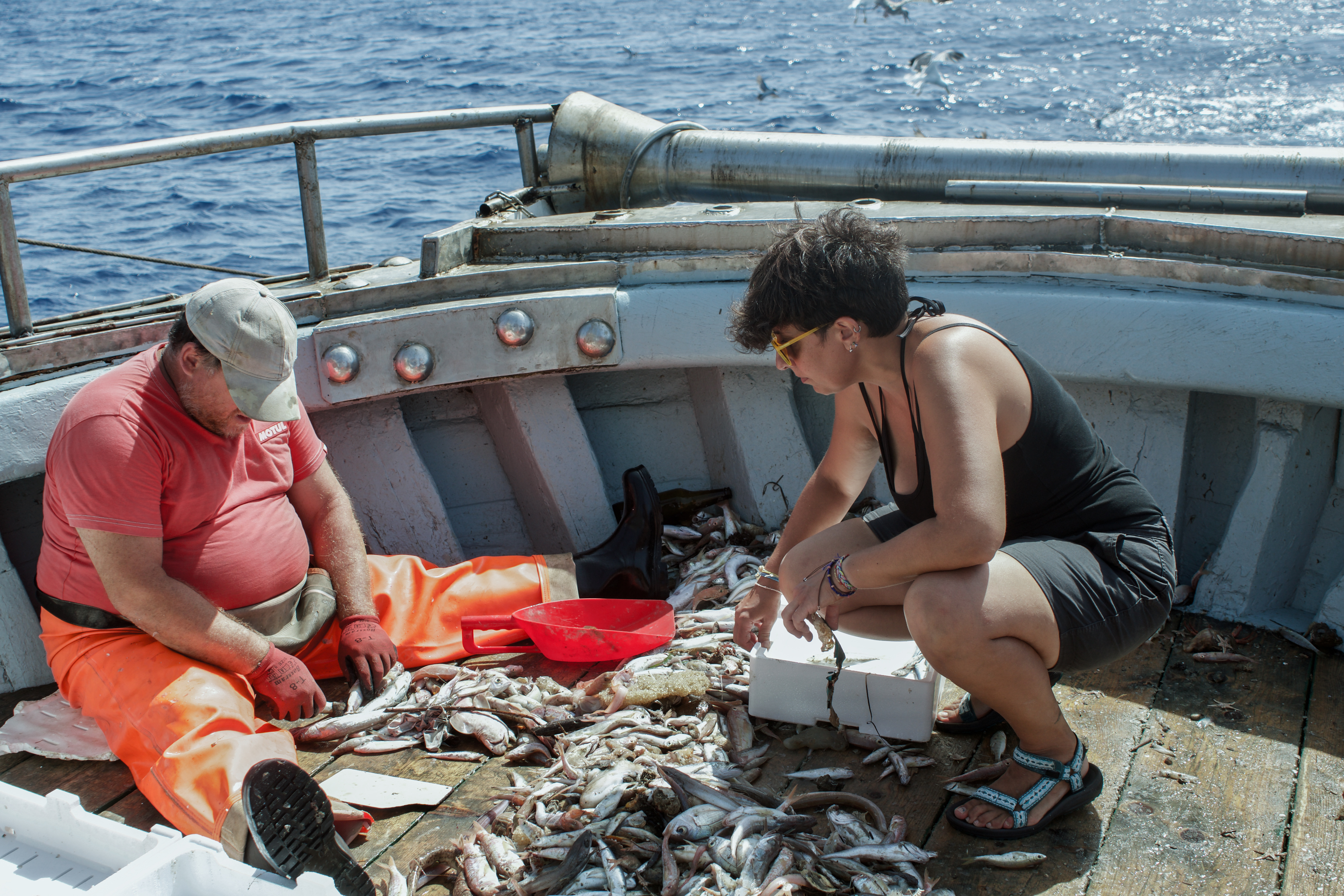
- “SeaPaCS – Participatory Citizen Science against Marine Pollution” (IMPETUS4CS, Horizon Europe, 2023)
- “Tentacular Thinking. Experiencing underwater assemblages of nature-culture” (Culture Moves Europe, 2024)
- FishArt- Participatory Art for environmental sustainability and aesthetic transformation of Anzio Fishermen’s Harbour” (New European Bauhaus Cross-KIC Connect, 2024)
- “EU CS COSEA” (EU Citizen Science Diversity and Collaboration Award 2024)
- “CoSea_Lab – Collective Laboratories for Sea Sustainability in the Gulf of Anzio, Italy” (Sapienza Research Funds)
- “PartArt4OW. Participatory Art For Society Engagement with Ocean and Water” (Horizon Europe, 2023)
- “HARCOLAB. Harbour Neighborhoods as Collaboratorium for cultural participation & social engagement for the green transition of public space in European cities” (Coordinamento progetti collaborativi Horizon Europe 2025, Sapienza University of Rome)
- “Zero Plastica – Sistema integrato di raccolta delle plastiche in mare e nello specchio acqueo del Porto di Anzio” (Regione Lazio Piano Annuale Blue economy 2025)
- “BLUE_HN European Harbours as gateways of the Ocean” (Progetti Ricerca Piccoli Sapienza, 2026)
[photo Giuseppe Lupinacci]
Events organised
- Creative Workshop “Marine Social Research. Present and Future of science, creativity and participation for the Ocean” (Sapienza University of Rome – Third Missione Funds 2025)
Scientific publication, reports and datasets
- C.Certomà (2025, ed.) “Blue Kinships. An exploration of Society & the Ocean”, Palgrave MacMillan, New York
- C. Certomà (2025) “The sea, above all” in C.Certomà (2025, ed.) “Blue Kinships. An exploration of Society & the Ocean”, Palgrave MacMillan, New York
- C. Certomà, F. Fornaro “Plastisphere in Chthulucene. “Staying with the problem” in oceanic natureculture assemblages” in C.Certomà (2025, ed.) “Blue Kinships. An exploration of Society & the Ocean” Palgrave MacMillan, New York
- C.Certoma’, Fornaro F. (2025) “Salt lingers in the blood. Toward an Oceanic Sense of Place” , J-Reading, 2, 51-64
- C.Certoma’ (2025) “I felt as someone special today”. Advancing marine citizen science through participatory and critical geography explorations”, Local Environment, 1– 22
- Galgani, L.; Certomà, C.; Corsi, A.; Fornaro, F. (2023) “SeaPaCS sampling log and samples”, Zenodo
- Certoma’, C., Bertocci, L., Pozzobon, C., Salari, C., Fornaro, F. (2025) “‘Home is the Ocean’: Intervista a Livia Vonaesch“, TaxiDrivers
- Pozzobon, C., Bertocci, L., Certoma’, C. (2024), “Breath. Andare a fondo, risalire”, Taxidrivers
- Certomà, C., Pozzobon, C., Salari, C., Bertocci, L., Boldrini, A., Valente, T., Fornaro, F. (2025), “CO>SEA nel Golfo di Anzio. Report tecnico-scientifico”, Zenodo
- G. Lupinacci, F. Fornaro, C.Certoma’ (2025) “CoSea_Lab Photographic Reportage”, Zenodo
- Certoma’, C. (2024) “Il progetto SeaPaCS. Participatory Citizen Science against Marine Pollution riceve il Diversity & Collaboration Award”, APREMagazine
- C.Certomà, A. Corsi, L. Galgani, F. Fornaro (2023) “SeaPaCS: Participatory Citizen Science against Marine Pollution”, Geography Directions, RGS, London
- Certoma’ C., Bertocci L., Pozzobon C. (2024) “PartArt4OW Data &Ethics Management Plan”, Zenodo
- Certoma’ C., Bertocci L., Pozzobon C. (2024) “PartArt4OW Project Management Plan”, Zenodo
- Dato M., Certoma’ C., Corazza L., (2024) “FishArt_Final Performance Report”, Zenodo
- Certomà, C.; Corsi, A.; Fornaro, F.; Galgani, L.; Lupinacci, G. (2023) “Policy suggestions for the management of plastics collected in the Sea by Fishermen in Anzio – Rome (Italy)”, Zenodo
- Galgani, L.; Certomà, C.; Corsi, A.; Certoma’, G.; Aleandri, R.; Fornaro, F.; Lalli, S. (2023) “SeaPaCS deliverable – protocol for plastic monitoring in citizen science”, Zenodo
- Vitale, V.; Galgani, L., Certomà, C.; Corsi, A.; Certoma’, G.; Aleandri, R.; Fornaro, F.; Lalli, S. (2023) ”SeaPaCS graphic elaboration of the Protocol for marine micro-plastic collection and monitoring in citizen science and for building a L.A.D.I. trawling tool”, Zenodo
- Lupinacci, G.; Certomà, C; Corsi, A.; Fornaro, F.; Galgani, L. (2023) “Making Science Public– A catalogue of Participatory Explorations on Plastic Entanglements with Life in the Mediterranean Sea”, Zenodo

[photo Giuseppe Lupinacci]
Visual Products
- Fornaro F., Lupinacci G. (directed and filmed), Certoma’, C. (project coordination) (2025) “Marine Social Research. of Present and Future of Science, Creativity and Participation for the Ocean”, https://zenodo.org/records/19129406
- Fornaro F., Lupinacci G. (directed and filmed), Certoma’, C. (project coordination) (2025)”Co>Sea. Critical Visions from the Sea”, Zenodo, https://zenodo.org/records/17587913
- Fornaro F., Lupinacci G. (directed and filmed), Certoma’, C. (project coordination) (2025) “Around Alone. Documenting Ocean Relationship”, Zenodo https://zenodo.org/uploads/16813616
- Fornaro F., Lupinacci G. (directed and filmed), Certoma’, C. (project coordination) (2025) “The sense of place. Documenting Ocean Relationship”, Zenodo 10.5281/zenodo.15407781
- Fornaro F., Lupinacci G. (directed and filmed), Certoma’, C. (project coordination) (2024) Research-based professional video reportage “Blue Kinships. Documenting Ocean Relationships”, Zenodo 10.5281/zenodo.14601389
- Fornaro F., Lupinacci G. (directed and filmed), Certoma’, C. (project coordination) (2024) “FishArt Culture SeaPort”, Zenodo 10.5281/zenodo.13734576
- Fornaro F., Lupinacci G. (directed and filmed), Certoma’, C. (project coordination) (2024) “Non facciamo la guerra, puliamo le spiagge!”, Zenodo, https://zenodo.org/records/12786155
- Fornaro F., Lupinacci G. (directed and filmed), Certoma’, C. (project coordination) (2024) “SeaPaCS Citizen Science against Marine Pollution/ Scienza partecipata contro la Plastica in Mare”, Zenodo, 10.5281/zenodo.10182995
- Fornaro F., Lupinacci G. (directed and filmed), Certoma’, C. (project coordination) (2024)“SeaPaCS_Teaser trailer”, Zenodo 10.5281/zenodo.10182994
- Fornaro F., Lupinacci G. (directed and filmed), Certoma’, C. (project coordination) (2024) “In search of Plastic”, Zenodo 10.5281/zenodo.10182984
[photo Giuseppe Lupinacci]
Interviews, maps, podcasts
- 2025 Pozzobon, C., Certomà, C., Salari, C., Bertocci, Fornaro, F. (2025), “CO>SEA nel Golfo di Anzio. Socio-environmental emergences Map“
- 2025 Chiara Certomà interviewed by Antonella Passani for the Ecosystem Exchange series of podcast by T6 Ecosystem
- 2025 Video interview “Co>Sea. Collaboratorium for Marine Social Geography and Visual Research”, TG Leonardo, RAI 3
- 2025 Video interview “Co>Sea. Collaboratorium for Marine Social Geography and Visual Research”, Gianni Girotto’s blog “Tracce”, https://fb.watch/wVmiorfBUg/
- 2024 Youtube video of the “FishArt_First Collaboratorium”
- 2023 Radio interview “La citizen science per affrontare la plastica in mare – Si chiude (forse) il progetto SeaPaCS”, Play, Radio Beckwith Evangelica
- 2023 Video interview “Italian ecosystem: Extreme heatwaves affect seawater temperatures”, AlJazeeraNews, AlJazeera International
- 2023 Radio interview “SeaPaCS. Cittadin*-scienziat* contro la plastica in mare. Aperitivo Scientifico”, Play, Radio Beckwith Evangelica
- 2023 Video interview “SeaPaCS. Cittadin*-scienziat* contro la plastica in mare. Aperitivo Scientifico”, Canale81
- 2023 Video interview “Esplorazioni nella Plastisfera”, UniTo News
- 2023 Radio interview “Esplorazioni nella Plastisfera”, Play, Radio Beckwith Evangelica
Available equipment for sharing
- 2 Low Aquatic Debris Instrument for sampling marine micro-plastic – get in contact if interested!

Team
CO>SEA activities have been realised in collaboration with a flexible, transdisciplinary network of researchers and professionals and with Raw-News Visual Production Agency (UK).
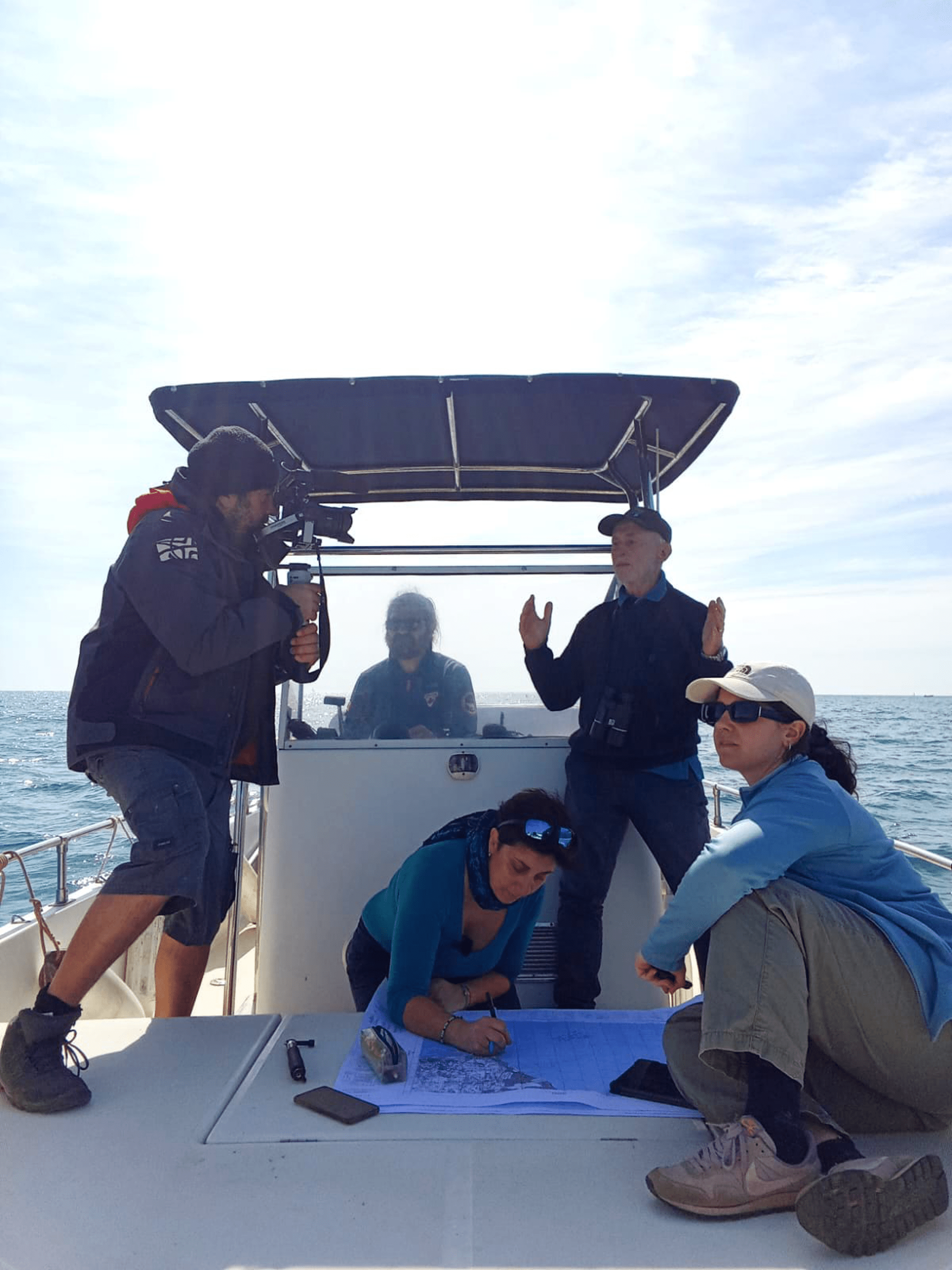
- Chiara Certomà is an assistant professor of socio-political geography at Sapienza University of Rome MEMOTEF Dep., with over fifteen years of research experience in participatory methods for science and policy making. Engaged in 15 national and international research projects, is an expert in environmental governance and social innovation for sustainability, adopts participatory citizen science and mobilises volunteers in data collection, elaboration and sharing on the biological consequences of marine plastic pollution. Chiara is actively committed in Marine Social Science, visual geography and ocean studies. She authored more than 30 papers and books and led the EU project “SeaPacs” (awarded the EU Citizen Science Prize 2024 – Diversity and Collaboration), “SeaPaCS”, “FishArt”, “Tentacular Thinking”, and “PartArt4OW”. chiara.certoma@uniroma1.it
- Luisa Galgani is a researcher at the University of Siena (Italy, part-time) and a freelance consultant in aquatic pollution. With a background in biological oceanography and aquatic biogeochemistry, her research focuses on anthropogenic impacts on marine and freshwater ecosystems, particularly carbon cycling and air–sea interactions with potential climatic effects. Since 2022, she has collaborated with the European Commission Mission “Restore our Ocean and Waters by 2030” as an external expert and serves as an evaluator for MSCA Postdoctoral Fellowships and Horizon Europe proposals. She is the recipient of two MSCA Fellowships and has contributed to several EU-funded projects. After a PhD from the University of Kiel (Germany), she has integrated citizen science into her work, training volunteers in aquatic pollutant monitoring since 2016. She co-chairs the SCOR Working Group SPASS, is SOLAS National Contact Point for Italy, a member of the ASLO Education and Engagement Committee, and Associate Editor of npj Emerging Contaminants.
- Federico Fornaro is managing director of the independent news agency Raw-News with 18year + of experience in documentaries and hard news in Europe, Asia, the Middle East and Africa. Expert in video-documentation and photography, including underwater and drone-based. Jointly with UniTo, he produced the video documentation in “SeaPaCS”, “FishArt”, “Tentacular Thinking”, PartArt4OW”. He is Italian stable correspondent for AlJazeera and NBC News; and recurrent correspondent for CBS, Euronews, Sky, CCTV, France24, BBC. Contracted with Greenpeace, Unicef, Unesco, National Geographic, DataLine, Colonial Pictures, Reuters, Italian Minister for Foreign Affars, Lebanon Minister of Turism and Avaaz. He is skipper and sailing instructor. Overly 20 years of experience in oceanic sailing, Esprit Marin Prize 2013 for the Atlantic solo-crossing during MiniTransat. federico.fornaro@raw-news.net
- Luca Bertocci is research assistant at Sapienza University of Rome, MEMOTEF Depworking on the management of the EU Horizon project “Participatory Art for society engagement with Ocean and Water (PartArt4OW)”. After obtaining a bachelor’s in Literature and Philosophy and a Masters degree in Geography from the University of Bologna, he earned a PhD in Urban and Regional Development from the Polytechnic of Turin, with a thesis in urban philosophy and politics focused on planetary urbanization and the ongoing epochal transformation of planetary water due to climate change. His main research interests include political theory, philosophy and geographical thinking. They are conceived as crucial techniques for unveiling emancipatory potentials embedded in our metamorphic and always negotiated world. luca.bertocci@uniroma1.it Collaborator in “CoSea_Lab. Laboratorio Collaborativo per il mare e la sostenibilità nel Golfo di Anzio” (Bando Terza Missione 2024 Sapienza University of Rome).
- Caterina Pozzobon is research assistant at Sapienza University of Rome, MEMOTEF Dep., working on the management of the EU Horizon project “Participatory Art for society engagement with Ocean and Water (PartArt4OW)”. After obtaining a Masters degree in Cooperation, Development, and Innovation in the Global Economy from the University of Turin, she earned a PhD in Urban and Regional Development from the Polytechnic of Turin, with a thesis in human geography on water resource management in rural central Tanzania, adopting a feminist political ecology approach. Her main research interests include participatory research, the use of visual methods, and the analysis of the human and more-than -human geographies of water. caterina.pozzobon@uniroma1.it . Collaborator in “CoSea_Lab. Laboratorio Collaborativo per il mare e la sostenibilità nel Golfo di Anzio” (Bando Terza Missione 2024 Sapienza University of Rome).
- Giuseppe Lupinacci is a water photographer. He embarked as sailor and then as skipper, from 1999 to 2010, in the Maldives, Turkey, Egypt, Antigua, Barbados, Martinique, Sint Maarten, Saint Lucia, Tenerife and sailing the Atlantic and the Indian Ocean. Since 2013 he has been working as a freelance aquatic and underwater photographer for media agencies, press, sports institutions and international projects. Collaborating with international projects “SeaPaCS”, “FishArt”, “Tentacular Thinking”, PartArt4OW” to explore the transformation of oceanic ecosystems and the relationship between society and the ocean and his photography solo exhibitions has been presented in Milan, Rome, Palma de Mallorca and London. g.lupinacciphoto@gmail.com. Collaborator in “CO>SEA Collaboratorium for the Socio-Environmental Analysis of the Ocean” and “CoSea_Lab. Laboratorio Collaborativo per il mare e la sostenibilità nel Golfo di Anzio” (Bando Terza Missione 2024 Sapienza University of Rome).
- Chiara Salari was research assistant at Sapienza University of Rome, MEMOTEF Dep. on the management of the EU Horizon project “Participatory Art for society engagement with Ocean and Water (PartArt4OW)”. After obtaining a PhD in visual studies (University Paris Cité and Roma TRE University), she was international fellow at the KWI (Institute for Advanced Studies in the Humanities of Essen, Germany) and research fellow at the Department of Sociology and Social Research of the University of Milano-Bicocca. Her main research interests include the environmental aesthetics of post-industrial landscapes, ecocritical approaches to the study of images, the representation of biodiversity and marine landscapes in multimedia online archives and atlases. Collaborator in “Marine Social Research” (Bando Workshop 2024 Sapienza University of Rome).
- Tommaso Valente is researcher at the ISPRA /Sapienza University – Environmental Biology Dep. in Marine Ecology, Marine Pollution, Bioindicators, Feeding Ecology, Environmental Pollution, Marine Debris, Marine Ecosystems.
- Amedeo Boldrini is post-doc at the University of Siena – Department of Biotechnology, Chemistry and Pharmaceutical Sciences expert in water contamination.
- Roberta Gemmiti is full professor in Economic Geography, Sapienza University of Rome – MEMOTEF Dep., collaborator in “CoSea_Lab. Laboratorio Collaborativo per il mare e la sostenibilità nel Golfo di Anzio” (Bando Terza Missione 2024 Sapienza University of Rome). Project coordinator of the research “Ambiente, diseguaglianze e giustizia in Italia”
- Giorgio Garofani, PhD student at Sapienza Sapienza University of Rome – MEMOTEF Dep., collaborating in BLUE_HN project.
CO>SEA in international repositories/databases
- GEOVISUM Società Geografica Italiana https://www.geovisum.com/2025/12/17/cosea_critical-visions-from-the-sea/ e https://www.geovisum.com/2025/12/17/chiara-certoma/
- SCI_STARTER https://scistarter.org/collaboratorium-for-socio-environmental-analysis-o?new=true
- UN SDGS https://sdgs.un.org/partnerships/cosea-collaboratorium-socio-environmental-analysis-ocean
- OCEAN LOVERS https://www.oceanloveawards.com/new/co-sea-p-collaboratorium-for-socio-environmental-analysis-of-the-ocean-tackling-marine-plastic-in-anzio
 Chiara Certoma'