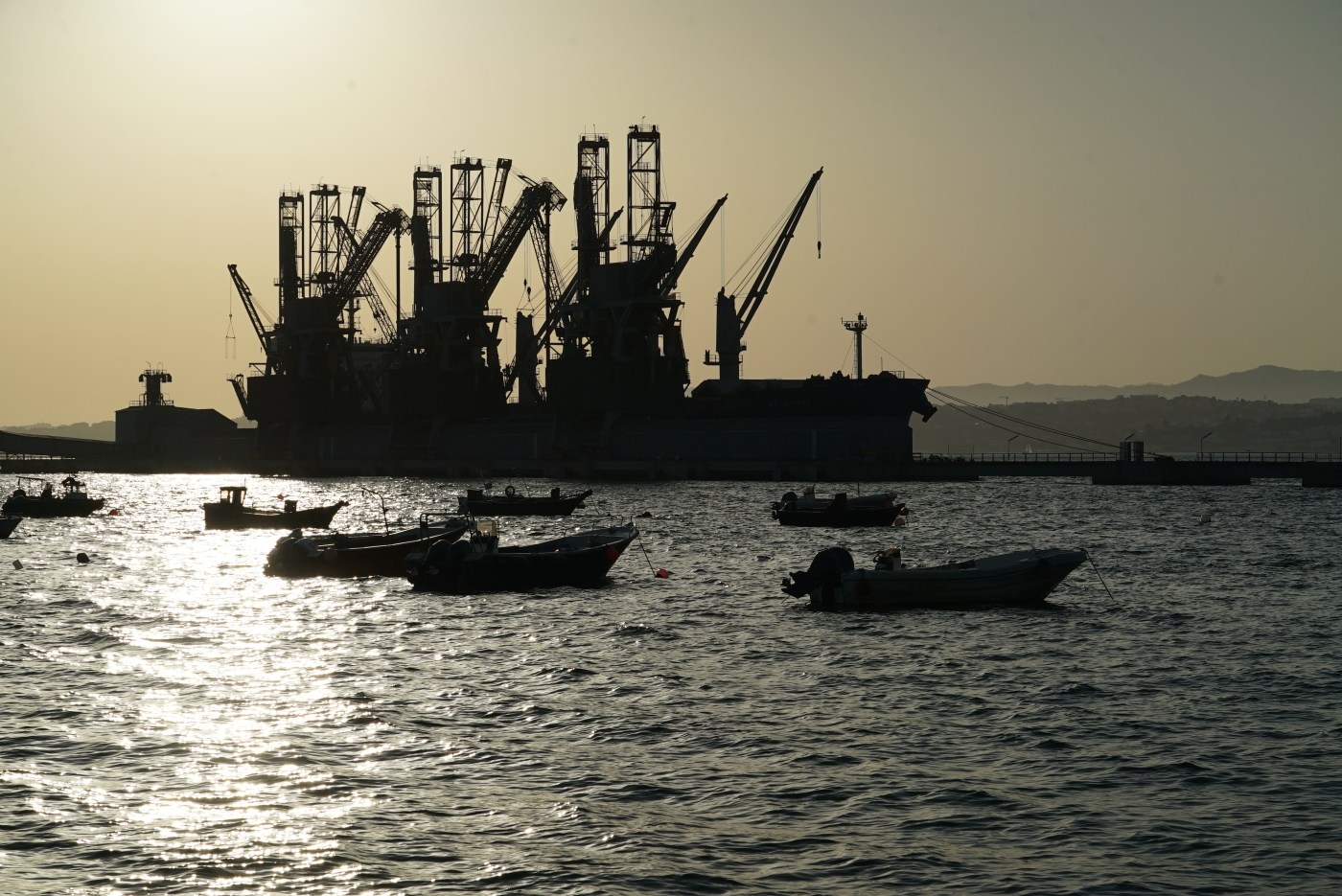
European Harbours as gateways of the Ocean
[photo F.Fornaro]
Sapienza Small Project 2025 “BLUE_HN European Harbour Neighbourhoods between political resistance and socio-cultural revitalisation practices for blue transition” is a research focusing aroud the concept as harbours as gateway of the Ocean, inspired by the purpose of looking at the land from the sea.
The harbour district/neighbourhood functions as a site of encounter between society and the ocean, where complex (“wicked”) problems become visible (e.g.), and where relationships are layered both spatially and temporally (e.g.). It is also a setting in which marine environmental conflicts surface most clearly. Yet, despite this, the sea itself remains marginal—effectively absent from the centre of concern.
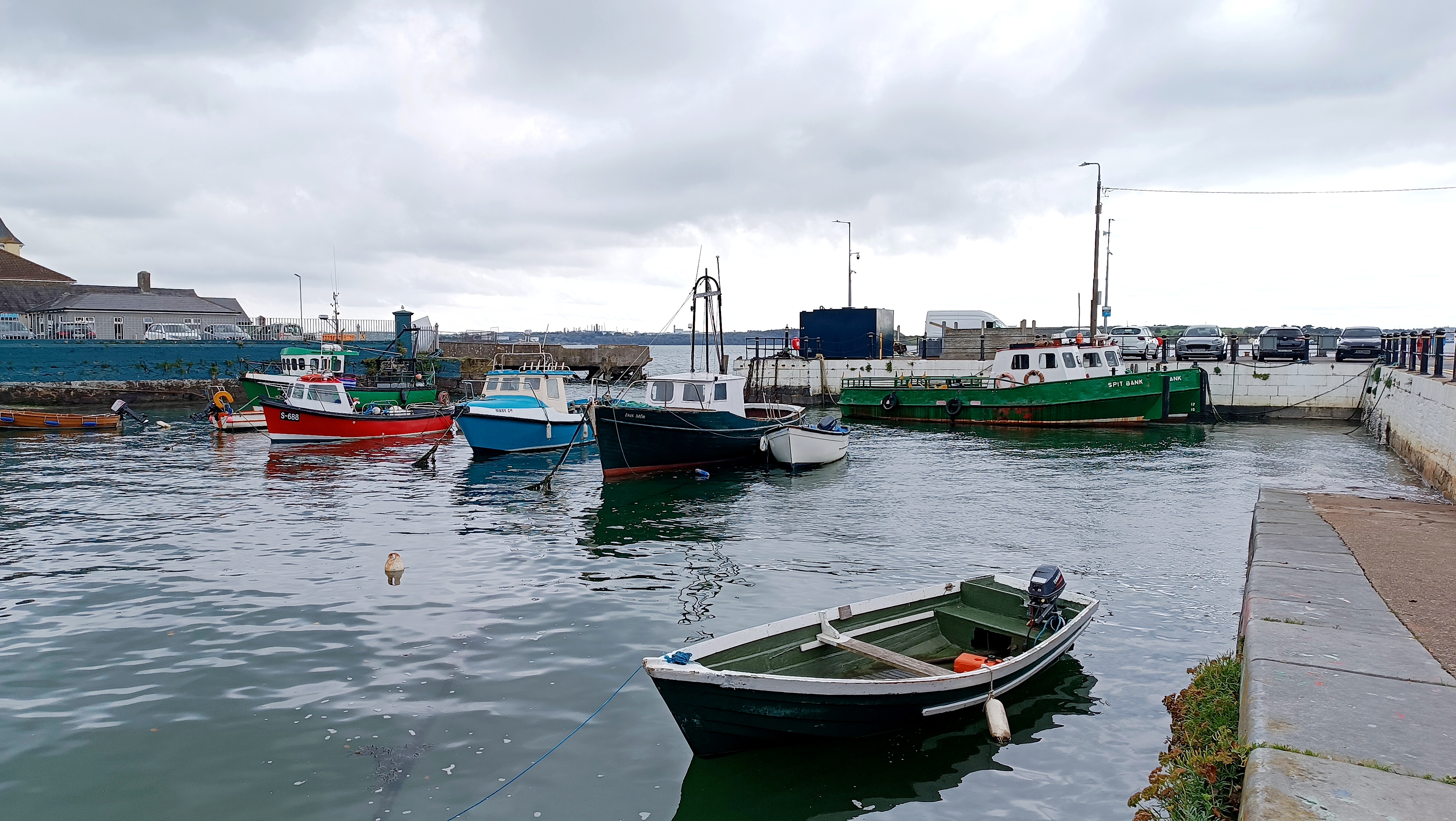
Cobh-Cork, Ireland (photo C.Certoma’)
In the wake of the Blue Economy, harbours have represented the site for continuing to implement traditional approaches to extracting and exploiting the ocean, integrating traditional functions with new infrastructure and redevelopment plans (often neoliberal logics of gentrification, mallification, and privatization, which commodify heritage, displace residents, and subordinate the sea to the demands of global capital). Very often, these interventions—even when motivated by progressive goals—do not serve to strengthen the ties between harbour companies and the ocean. Rather, they stress the urban character of harbour neighborhoods, enhancing logistical, economic, and cultural services, and further disconnecting human actors from the intricate materialities connected to the ocean.
Harbour neighborhoods, especially small and medium-sized harbours, represent fragile, unstable, and shifting points of contact and mutual access between land and sea. Once centers of fishing, shipbuilding, and local commerce, many now face abandonment, pollution, and climate pressures. Others are being reshaped by mass tourism, gentrification, privatization, and “mallification.” In both cases, maritime infrastructure, sociopolitical cultures, and environmental relations are weakening, eroding traditional knowledge, obscuring the impacts of governance, and creating new inequalities, especially for marginalized communities. These areas, historically and today, continue to be characterized by poverty, migration, and hyperdiversity, making them vulnerable to exclusion and central to global flows of goods, people, and culture. Harbour neighborhoods therefore represent both sites of vulnerability and opportunities for pioneering inclusive and ocean-conscious transitions (“blue-ing”). While studies have primarily examined private or mixed-use redevelopment, reducing identity to symbolic heritage and public spaces to sites of extraction, grassroots organizations, and local institutions, some initiatives explore cultural production, creative economies, and civic engagement to re-center the ocean and characterize harbours as ocean gateways and places from which a sense of ocean place and an outside-in view can emerge.
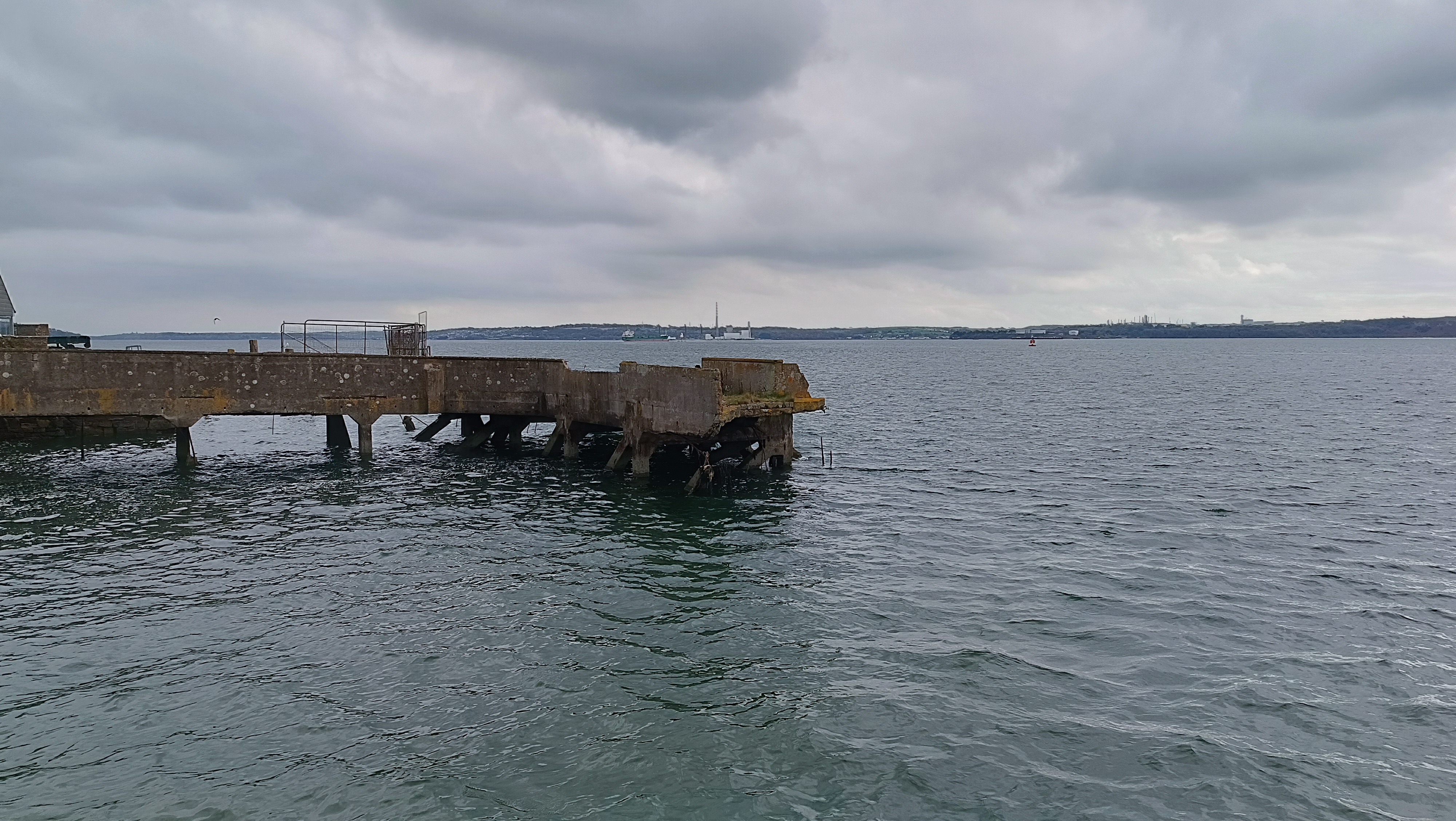
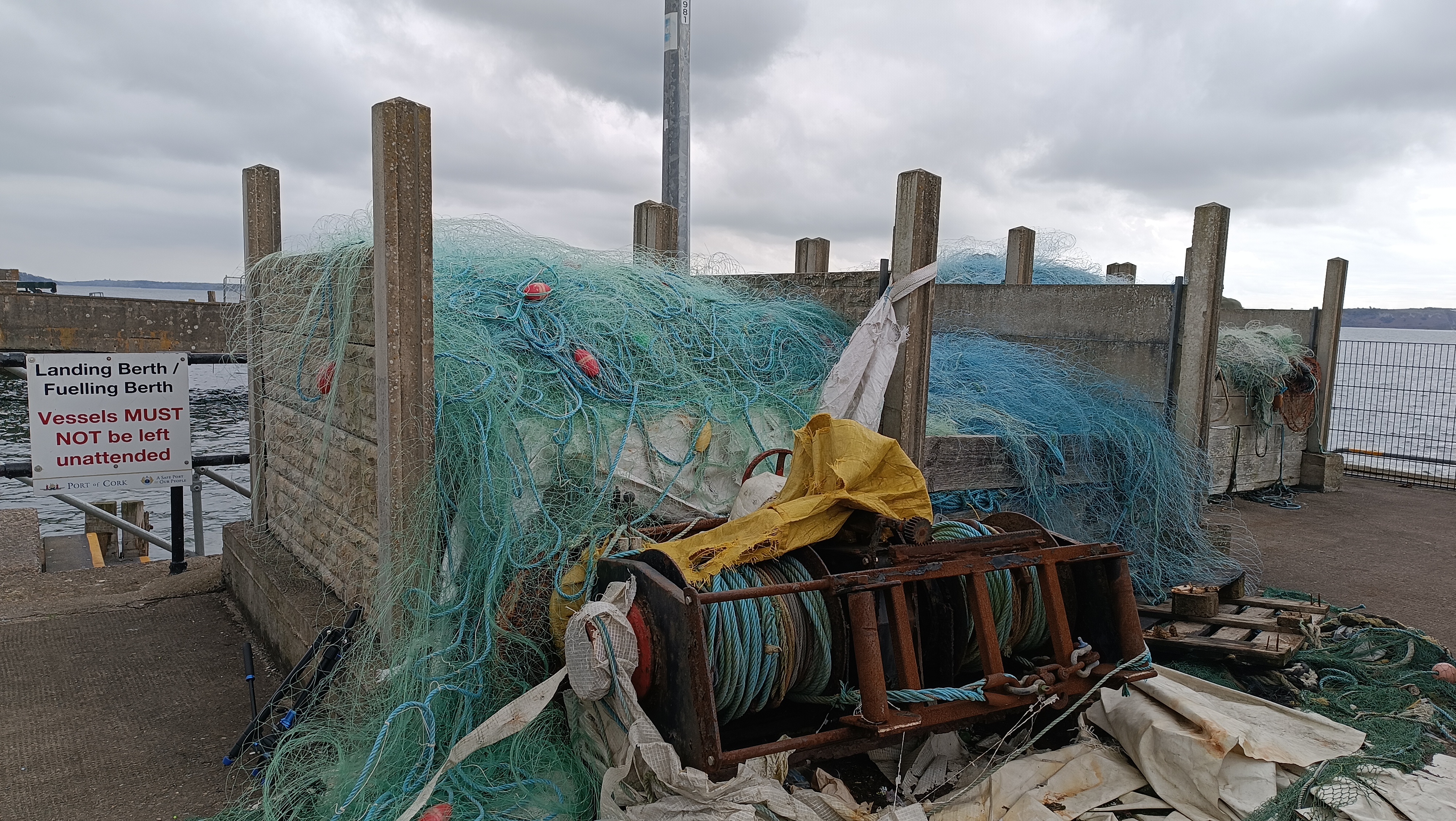
Cobh-Cork, Ireland (photo C.Certoma’)
Continuing our investigations into oceanic nature-culture assemblages, CO>SEA team is interested in how harbour areas can conceptually and materially be the gateway to the ocean, the point where heterogeneous social assemblages can be observed from the water’s edge, from the ships and the materiality, movement, and depth of the ocean itself. While oceans are not designed for human life and we require navigational devices to enter the blue space and translation tools to interpret them, harbour neighborhoods are places where a multiplicity of life forms express themselves, blending the ocean’s liquid turbulence with the anthropic organization that develops around it. Harbour districts, as liminal land-sea interfaces, face “unpleasant” socio-environmental challenges: coastal erosion, marine pollution, industrial pressure, and climate change intersect with inequality, unemployment, and cultural displacement. In harbour areas, we can see how complex ocean problems have become evident and impactful (e.g., rising sea levels, the consequences of extreme weather events, the overexploitation of marine resources, the consequences of human intervention on ecosystems, etc.) and where these relationships are stratified temporally and spatially; how marine political ecologies materialize in diverse and often conflicting visions of what the ocean is to us; and what the relationship in harbour neighborhoods is between seagoing people and land people, their integration, and their role in collective life.
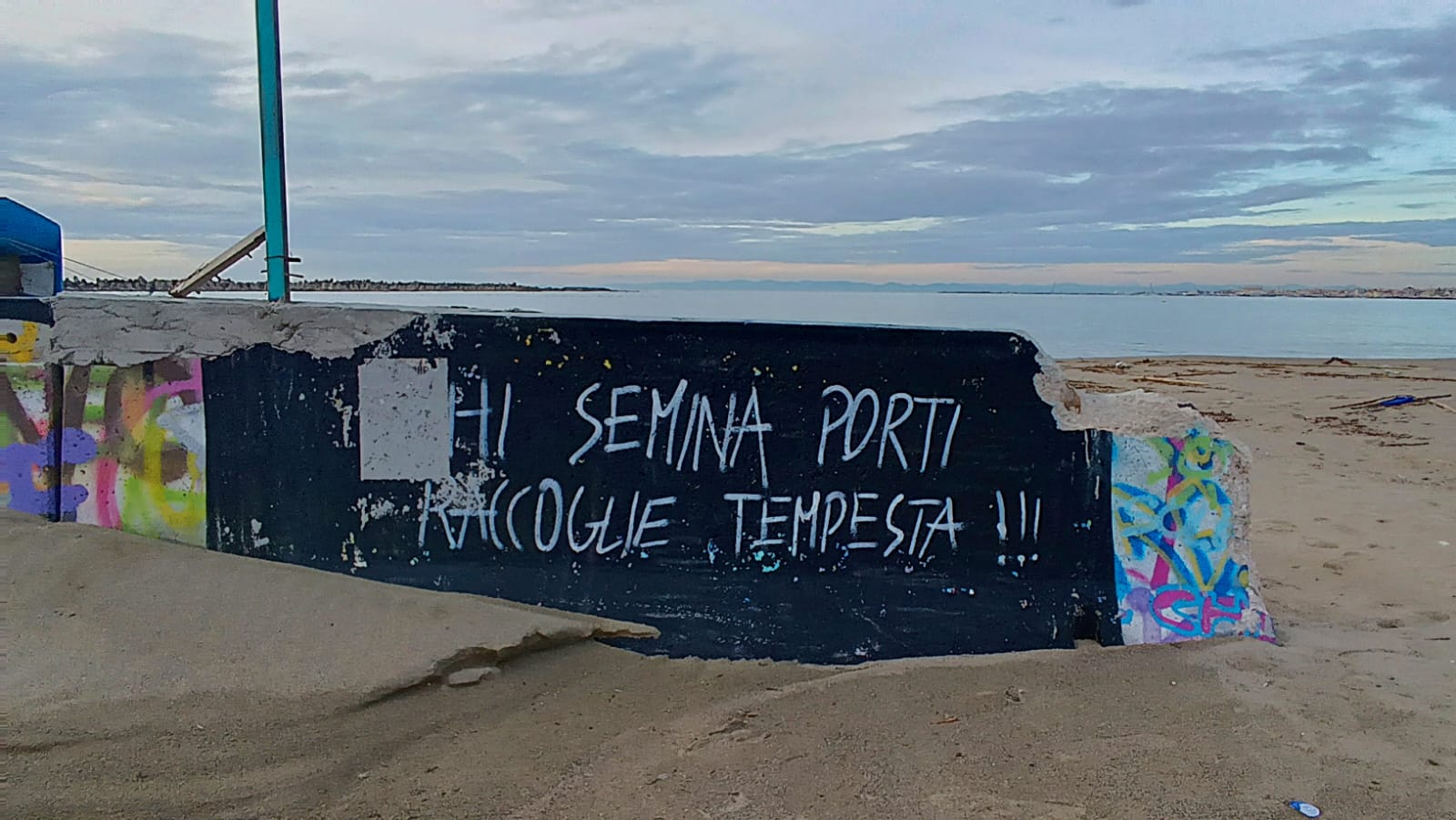
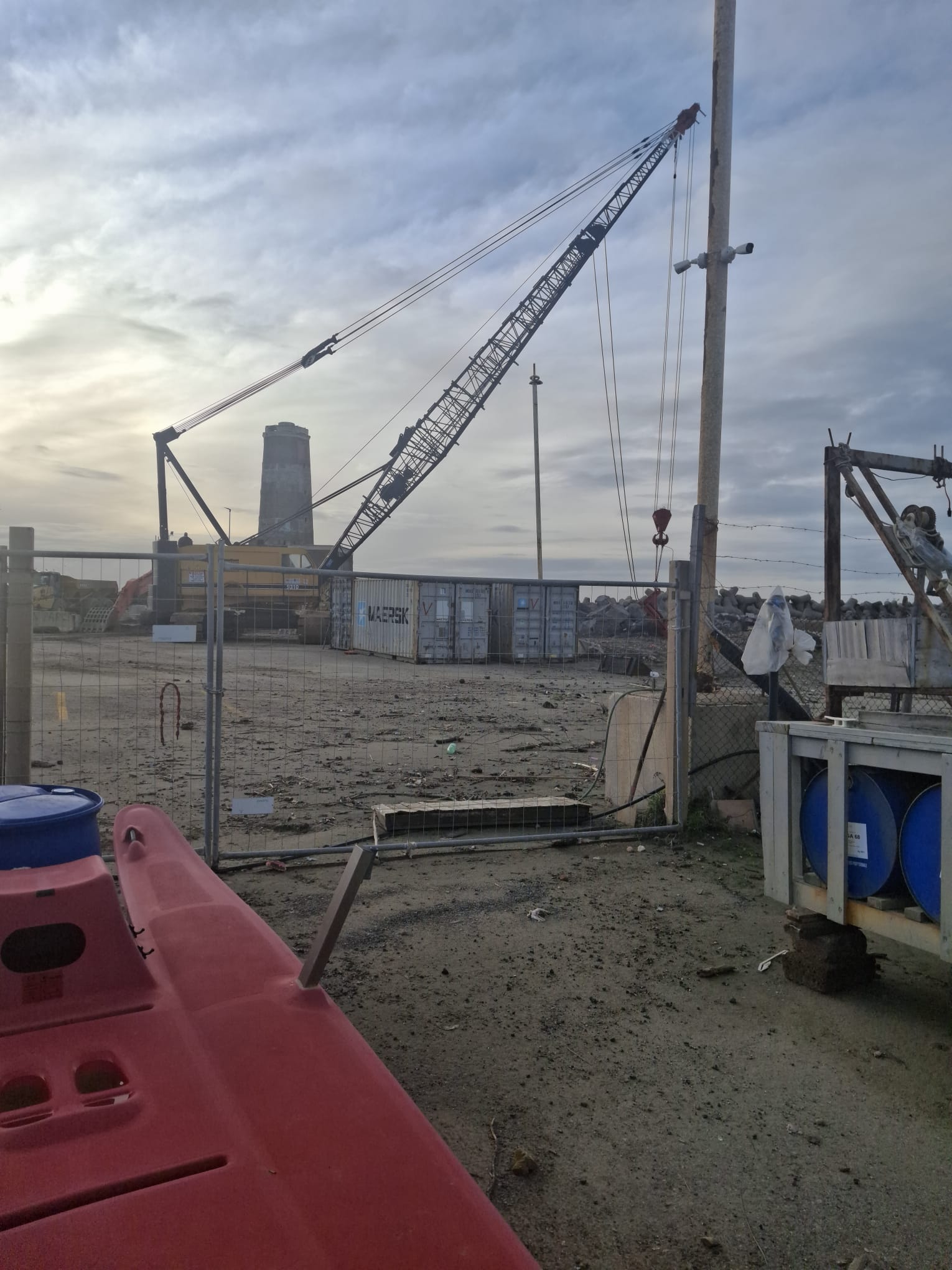
Fiumicino, Rome, Italy (photo C.Certoma’, G.Garofani)
By analyzing the transformations underway in harbour areas, we seek to understand whether it is possible to interrogate the socially constructed nature of the sea, the diverse socio-spatial formations produced by liquid materiality, the more-than-human relationships at sea, and the modes of participation through which societies interact with recombinant marine ecologies. Human encounters—from shore, ship, surface, or even the depths—capture only a fragment of the ocean’s multidimensional materiality, producing affectively charged but cognitively limited understandings. Through the lens of critical ocean studies, we can mobilize concepts such as flow, turbulence, and ocean temporality as epistemic tools to rethink governance, belonging, and identity in dialogue with new materialism and theories of the volumetric character of marine environments.
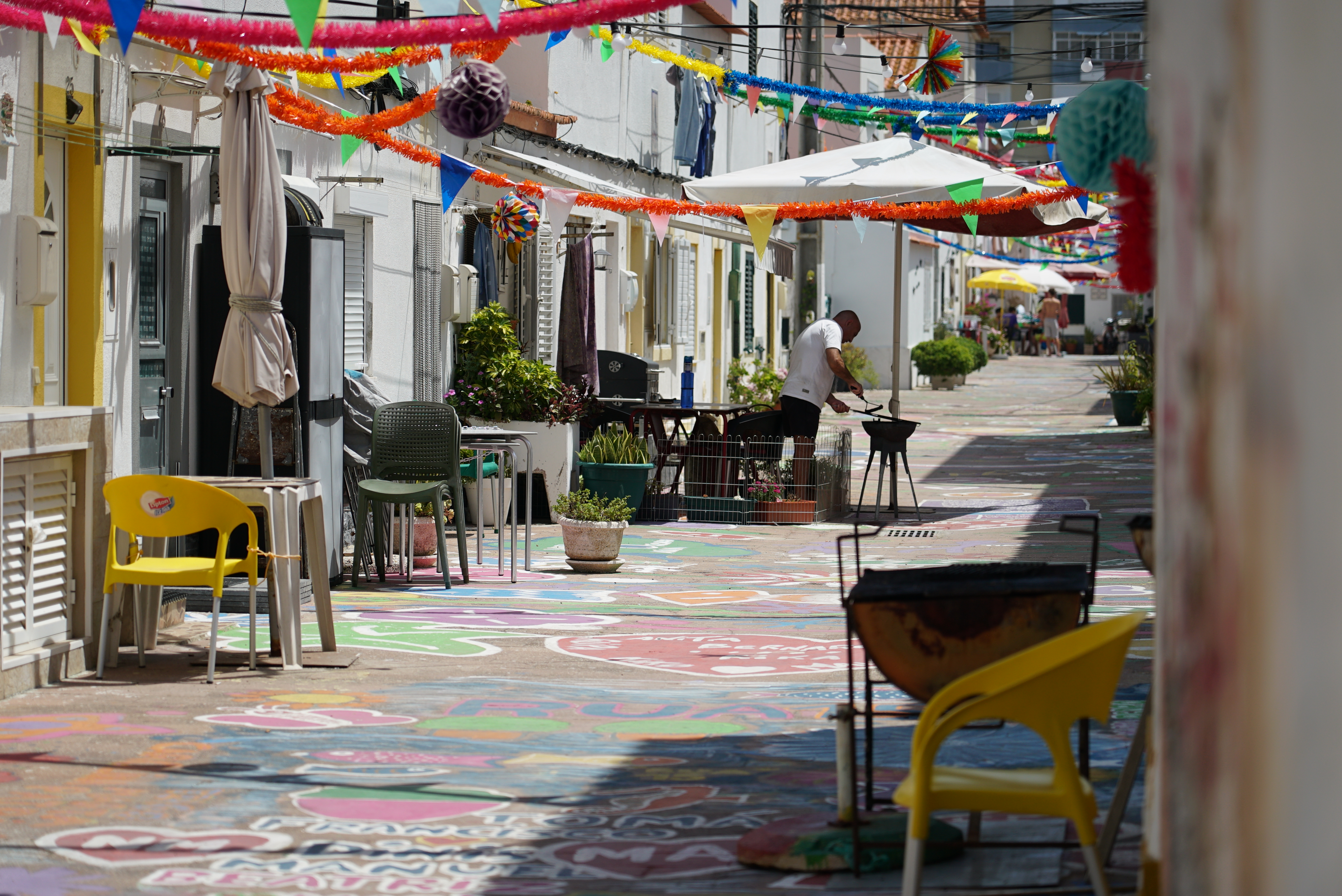
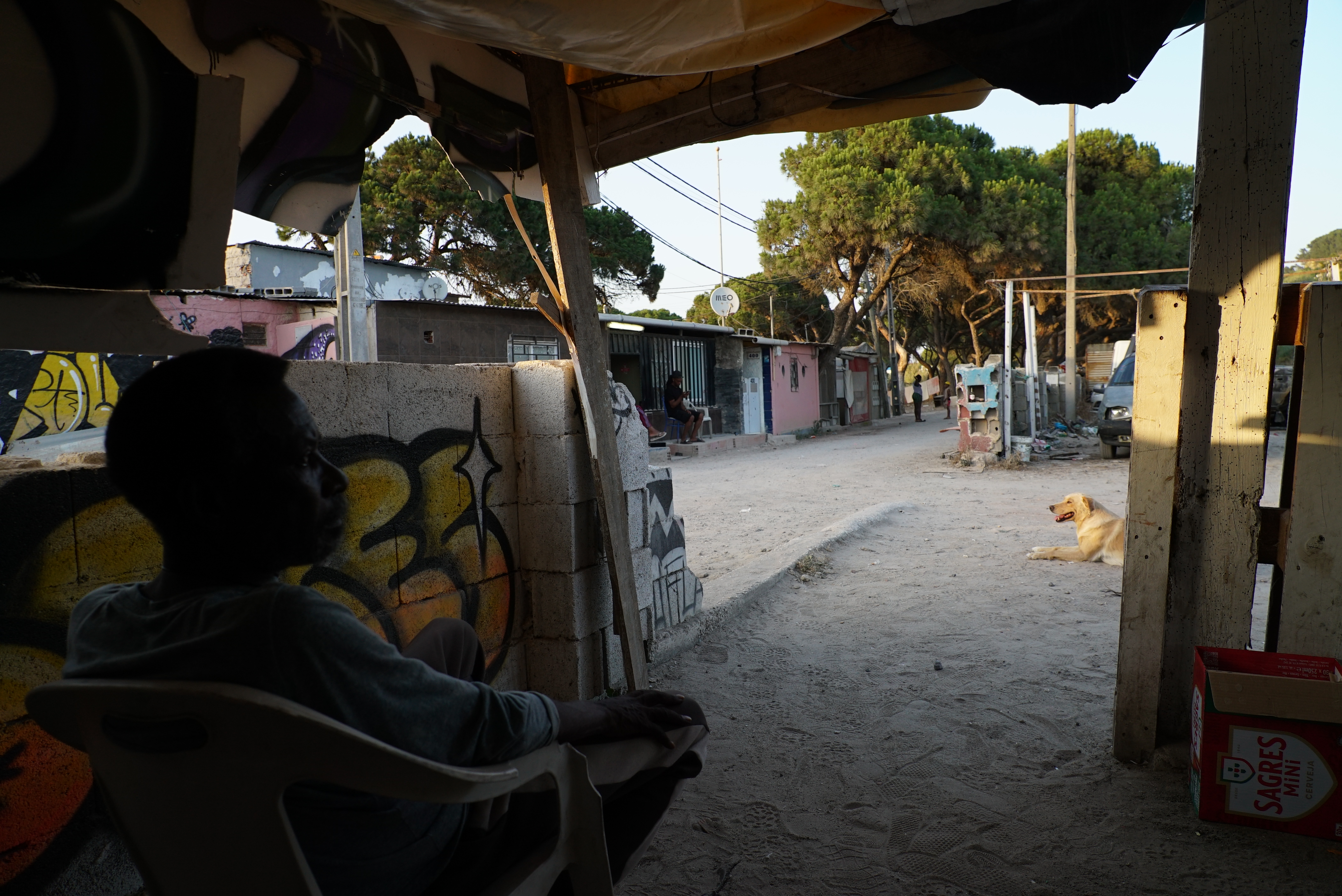
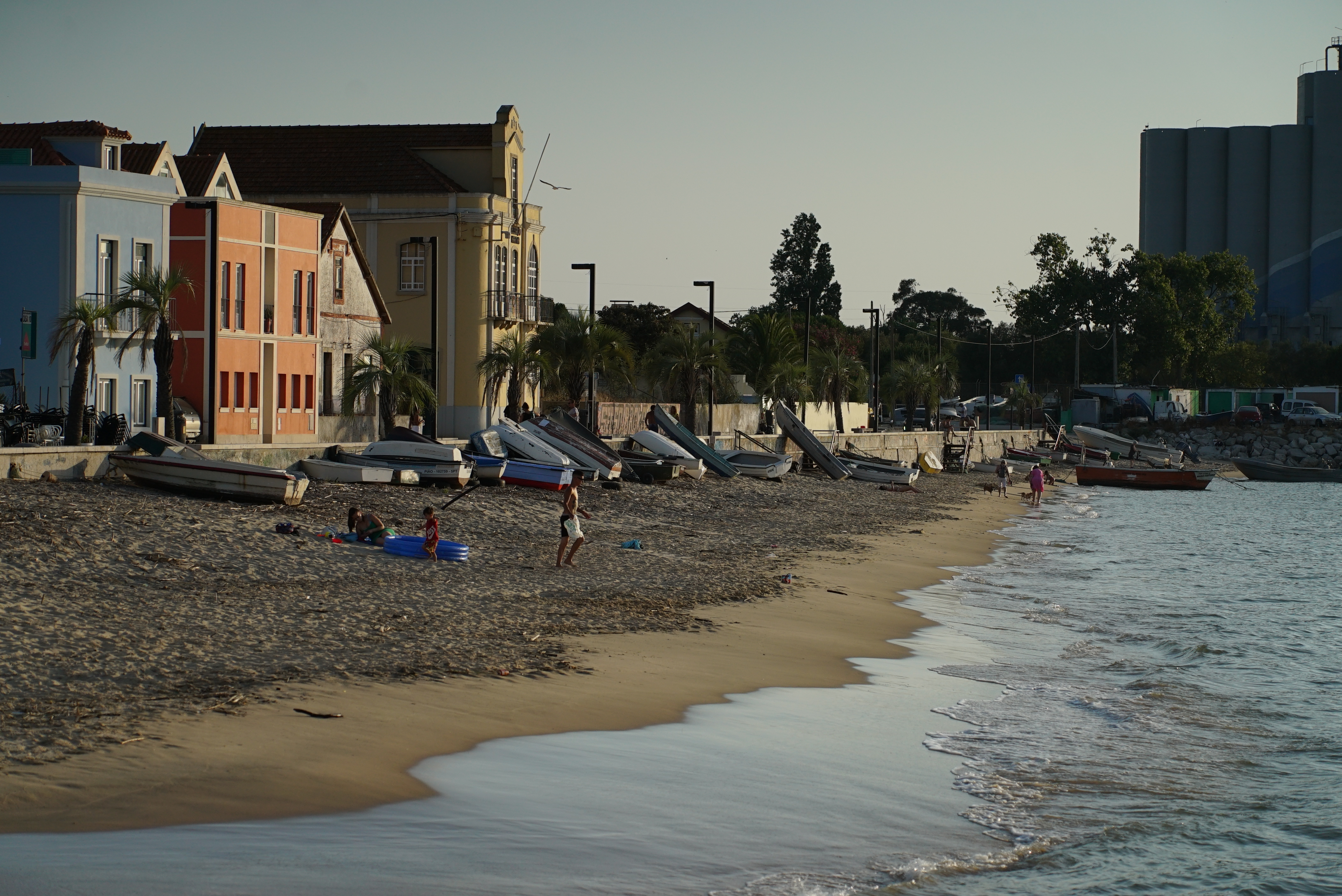
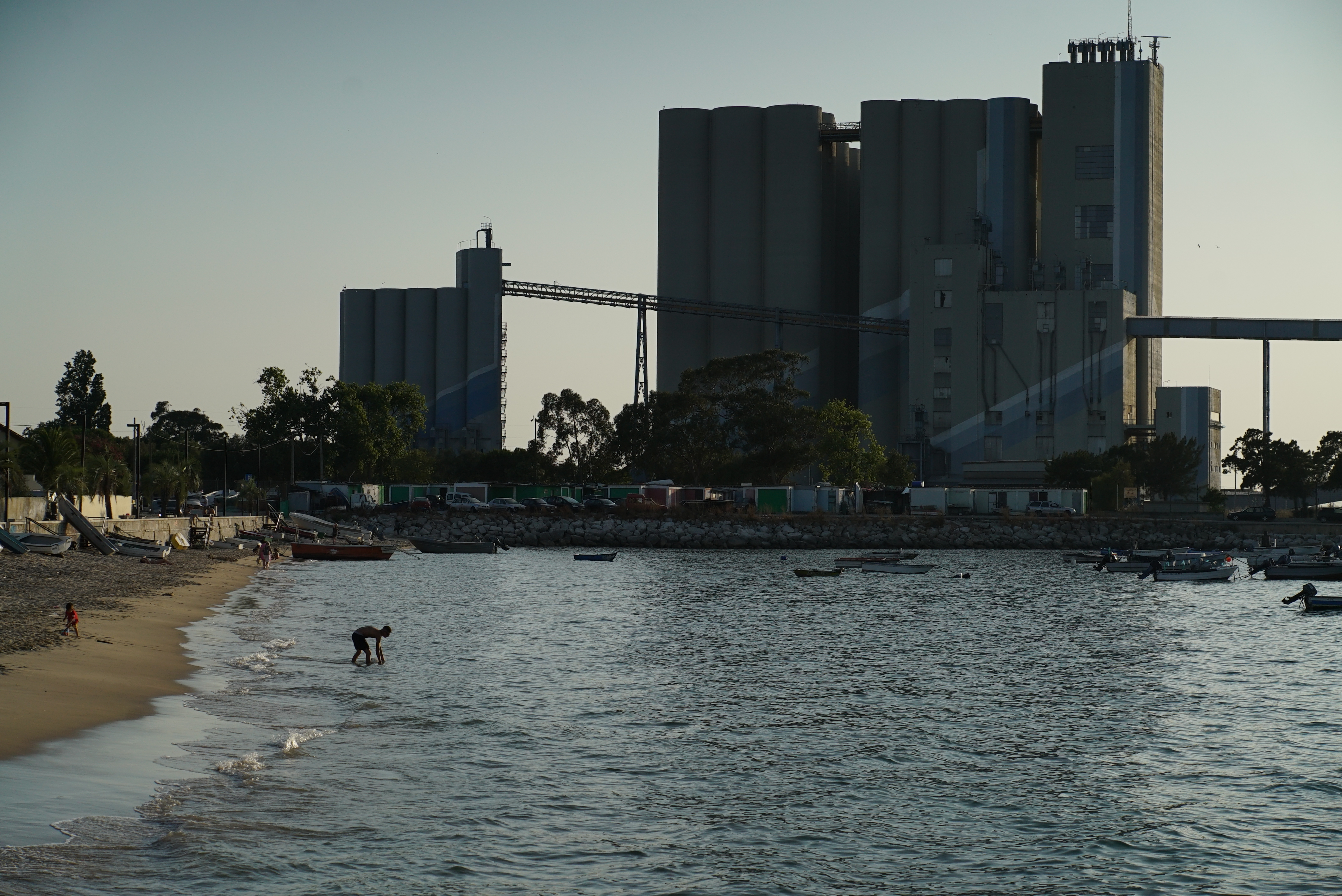
Trafaria, Almada, Portugal (photo F. Fornaro)
CO>SEA team (Sapienza MEMOTEF+ Raw-News Visual Production Agency) explores this aspect through a comparative analysis of harbour districts in Europe. Connecting urban geography, marine social sciences, and planning studies, it applies qualitative (ethnography, interviews, visual narratives) and quantitative (spatial mapping, socio-environmental indicators) methods. By documenting systemic pressures and local interventions, it will assess whether co-creative initiatives foster cohesion, empower residents, and revive cultural-ecological connections.
Field-visit, documentation and news
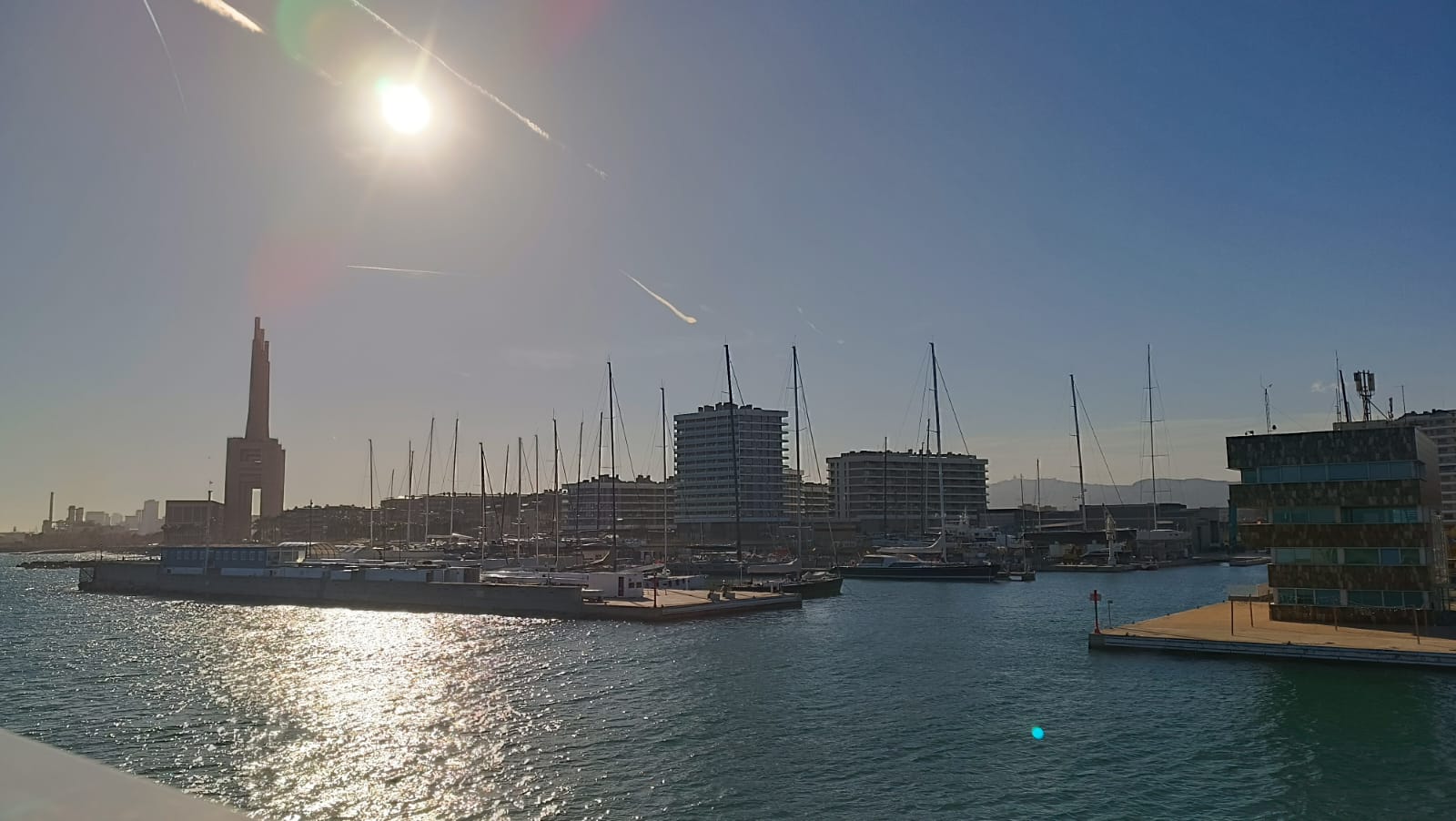
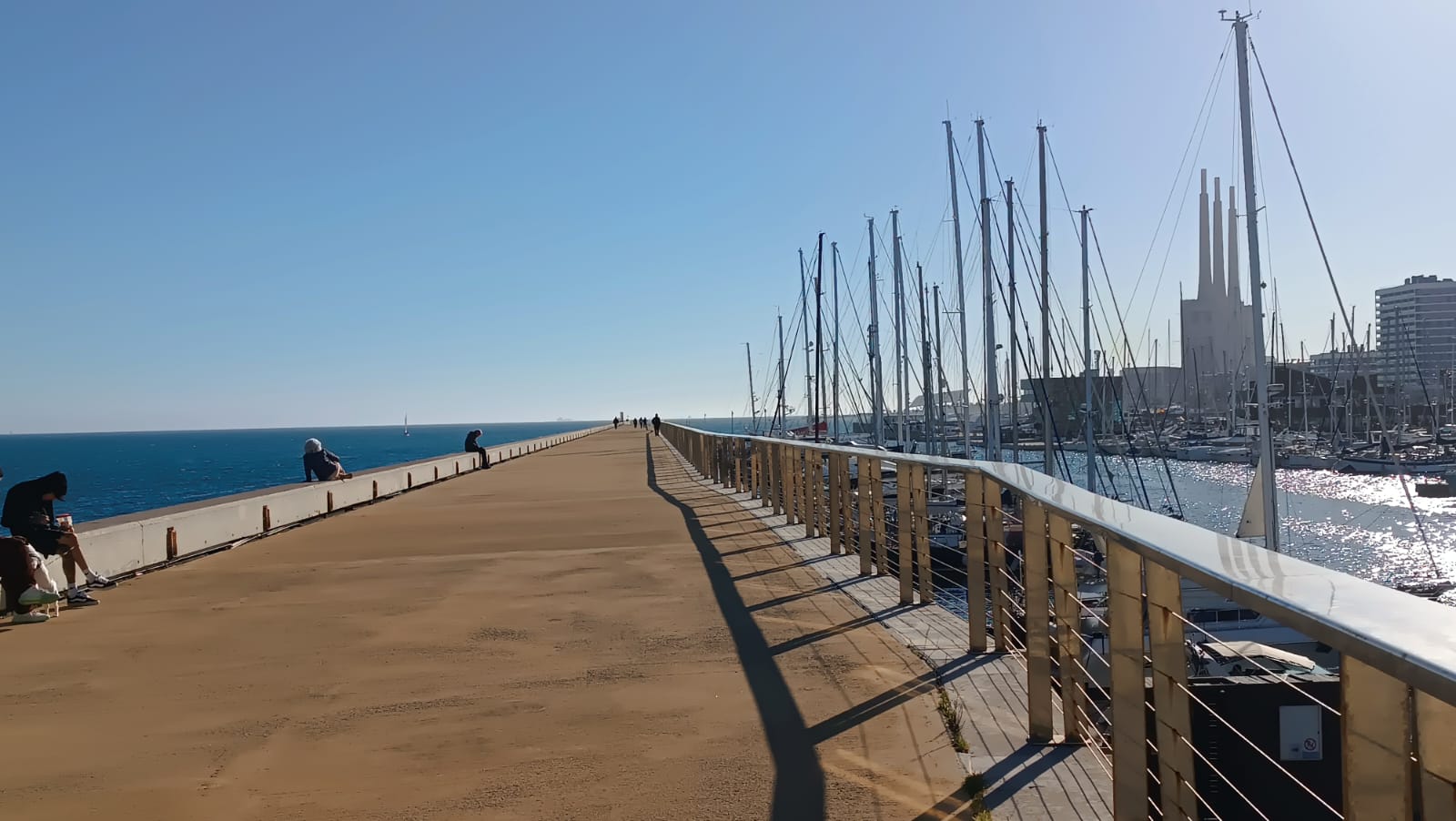
- 18 Feb 2026 Transect walk and interview at Badalona (Barcelona) harbour, Spain
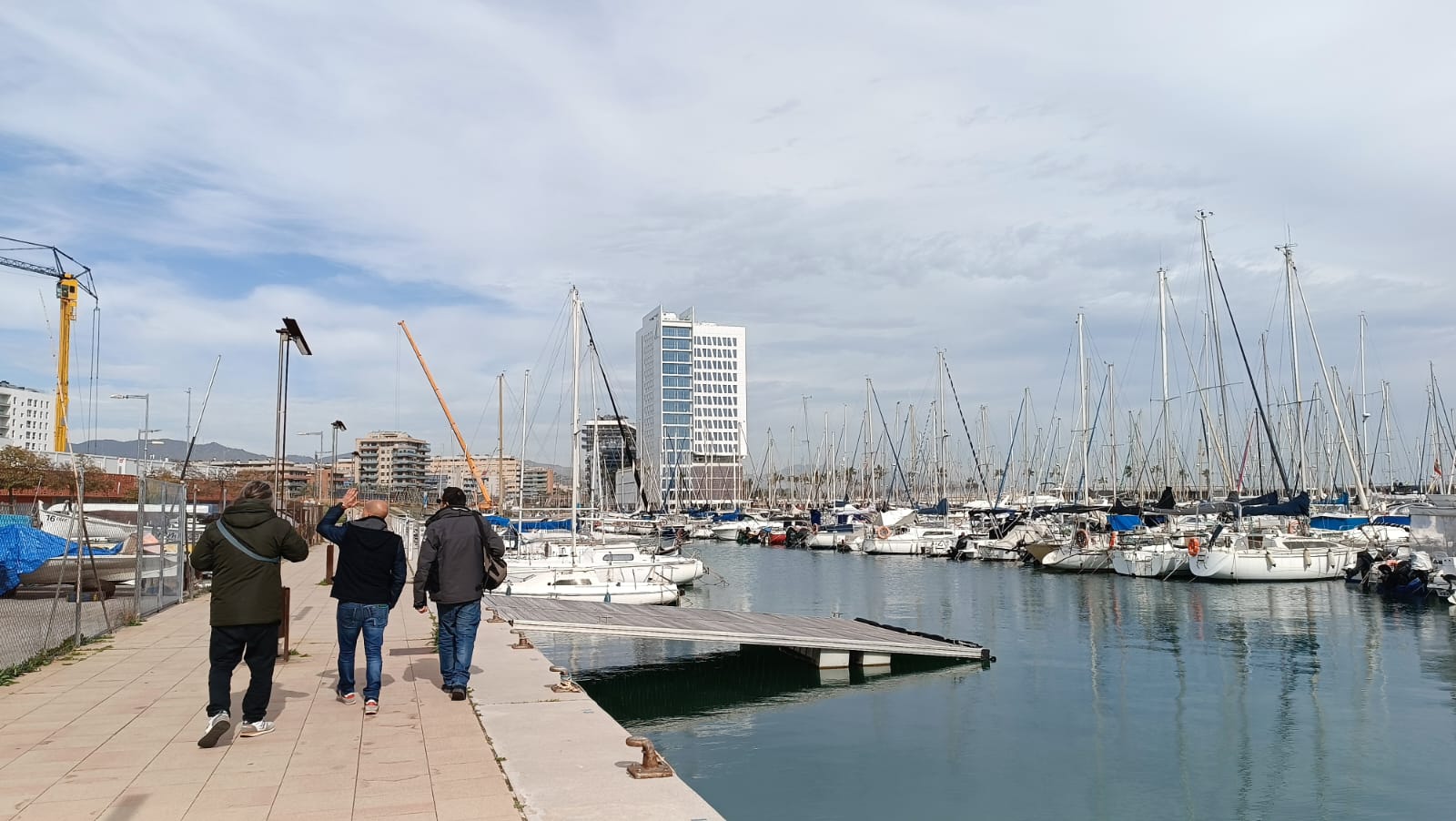
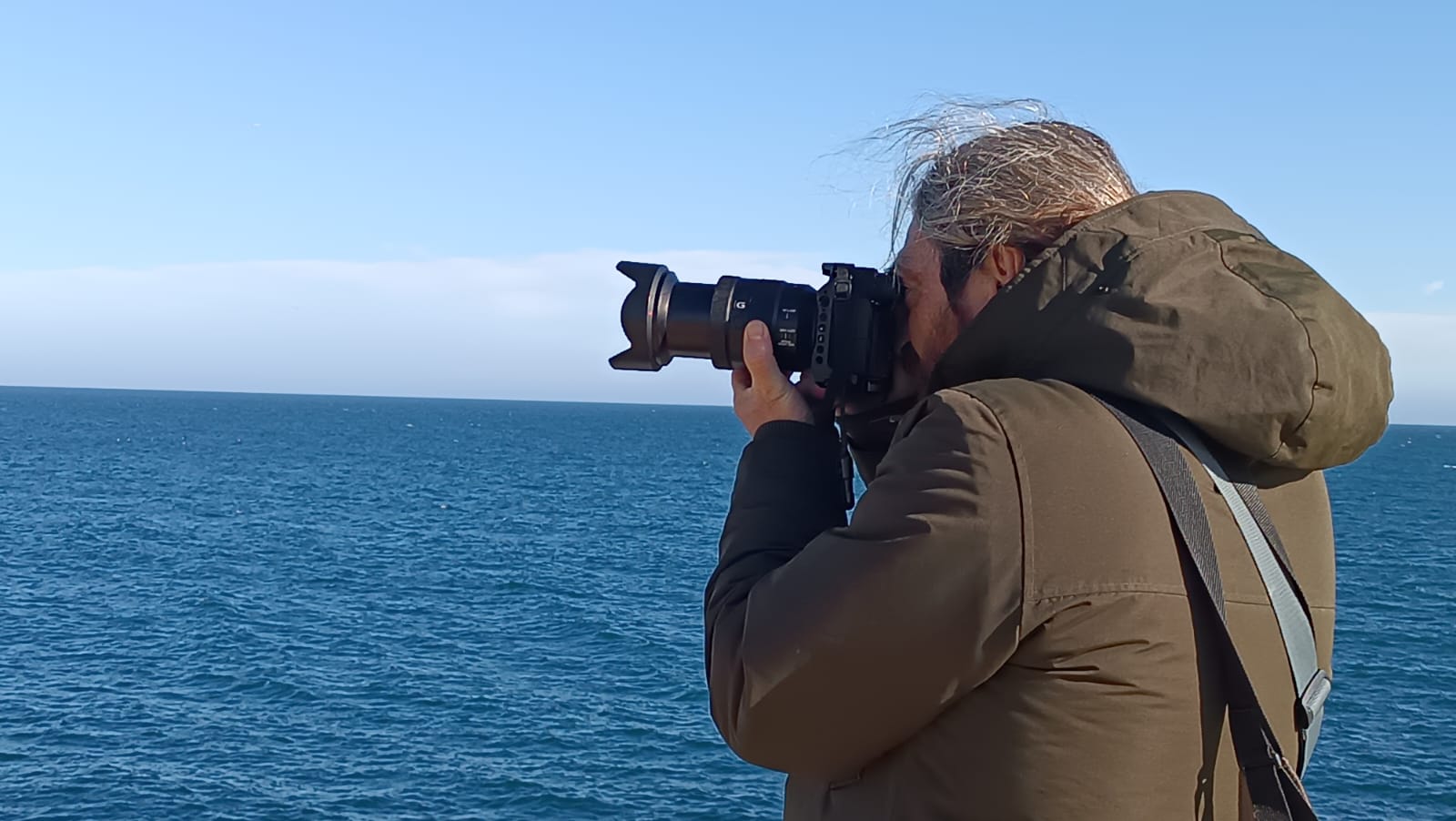
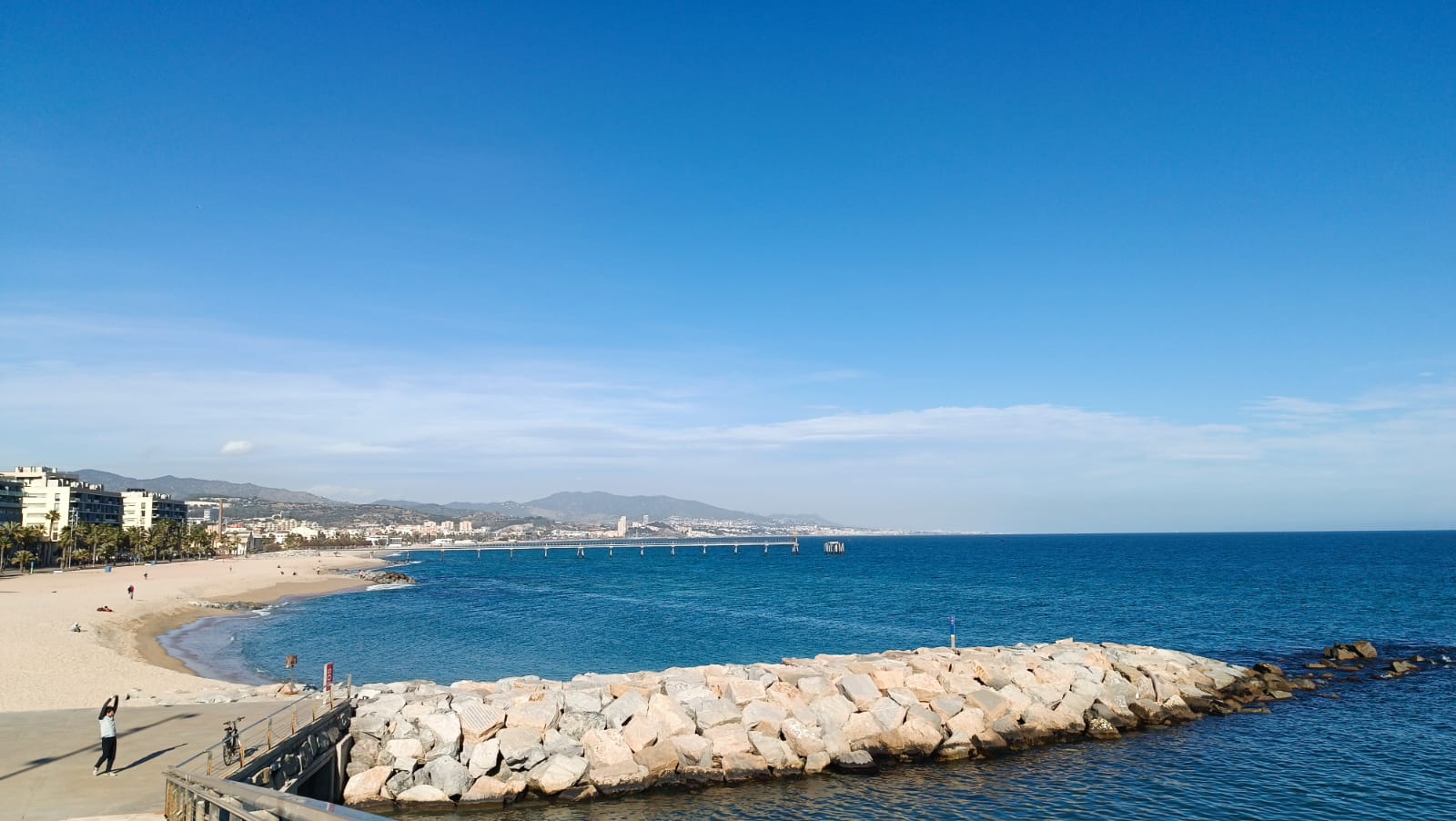
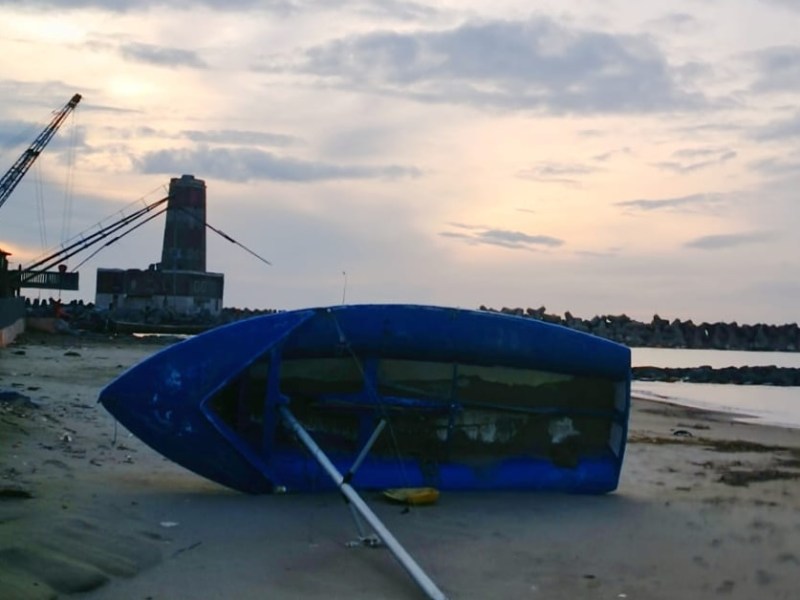
Transect walking Fiumicino Port plans
On the 31st of January 2026, CO>SEA team including Chiara Certomà and Giorgio Garofani (Sapienza MEMOTEF) + Federico Fornaro and Giuseppe Lupinacci (Raw-News Visual Production Agency) visited Fiumicino – Isola Sacra area (Rome, Italy) as part of th small research project “BLUE_HN European Harbour Neighbourhoods between political resistance and socio-cultural revitalisation practices for blue transition” (Sapienza…

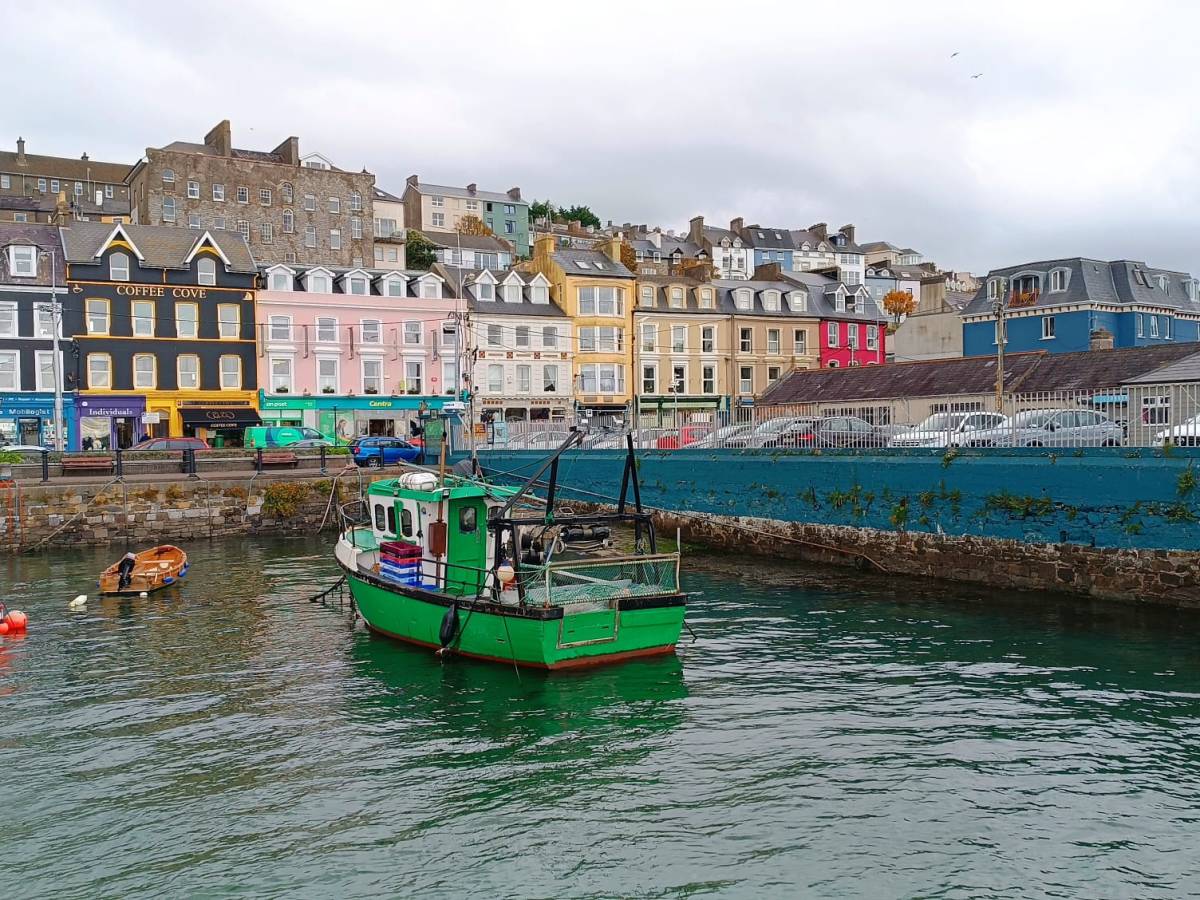
Harbours as Ocean Gateways_field research in Cork
Supported by the Sapienza University of Rome – Horizon Europe Projects Coordination Fund 2025, Chiara Certomà (Sapienza – MEMOTEF) and Federico Fornaro (Raw-News Visual Production Agency) realised a 3-day field research in the port of Cork and the harbour of Cobh, Ireland, from the 15th to the 17th of October 2025. The field work adopted…
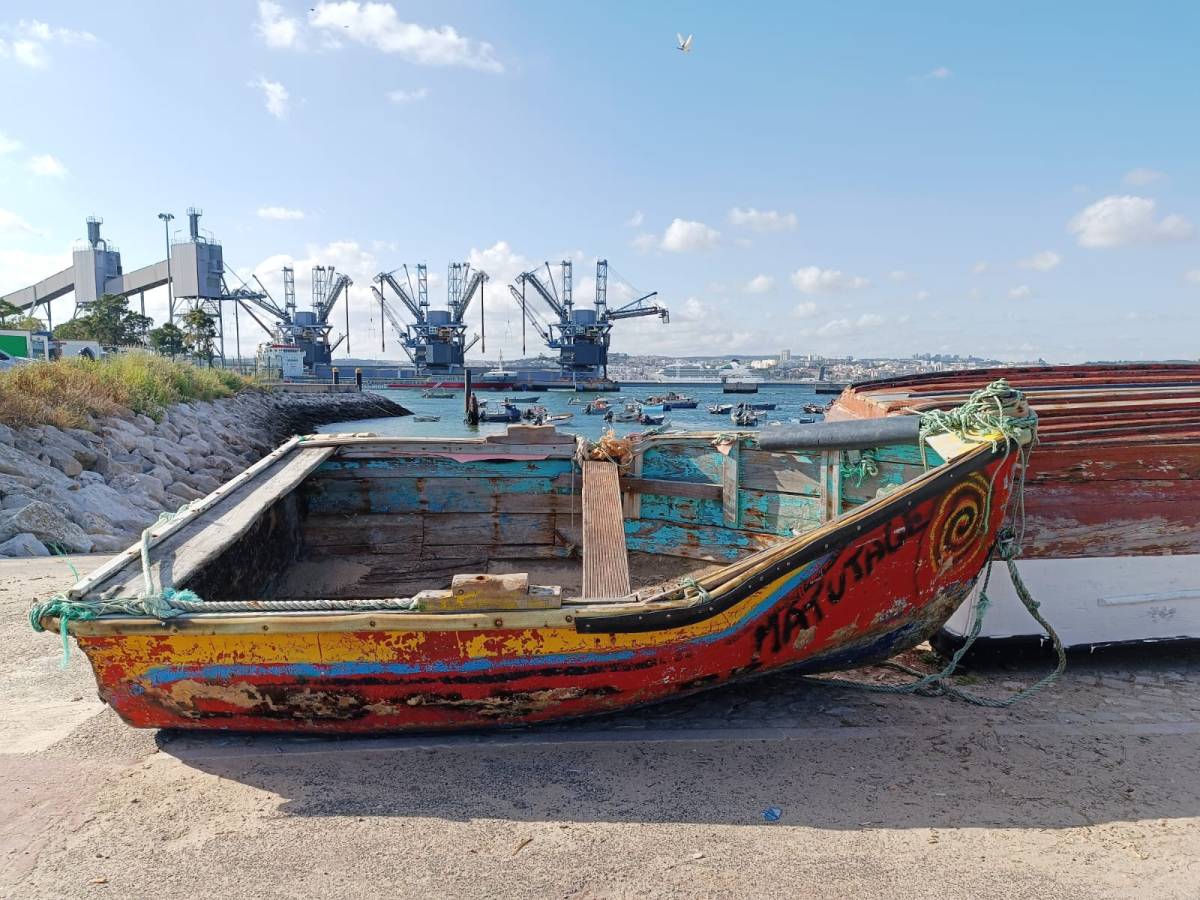
“Living the Sea”: CO>SEA discusses PartArt4OW@OLA Lisbon
CO>SEA team visited Lisbon and Trafaria (Portugal) from the 30th of June to 1nd of July upon invitation of EBANO Collective and MARE – Marine and Environmental Sciences Centre at NOVA University Lisbon – SST. On the 30th of June 2025 CO>SEA team presented the European Project “PartArt4OW” during the event “Living the Sea: Coastal…
 Chiara Certoma'