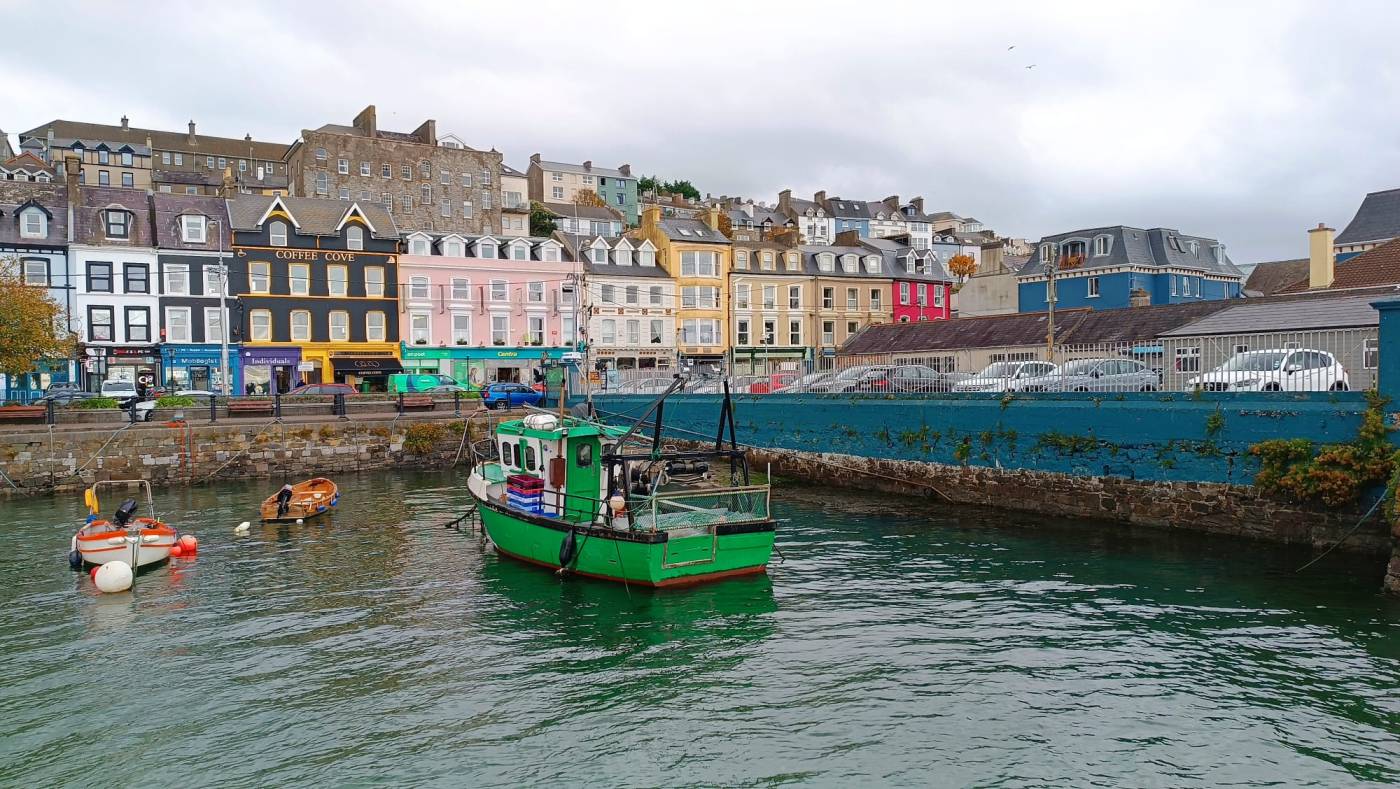
Supported by the Sapienza University of Rome – Horizon Europe Projects Coordination Fund 2025, Chiara Certomà (Sapienza – MEMOTEF) and Federico Fornaro (Raw-News Visual Production Agency) realised a 3-day field research in the port of Cork and the harbour of Cobh, Ireland, from the 15th to the 17th of October 2025.
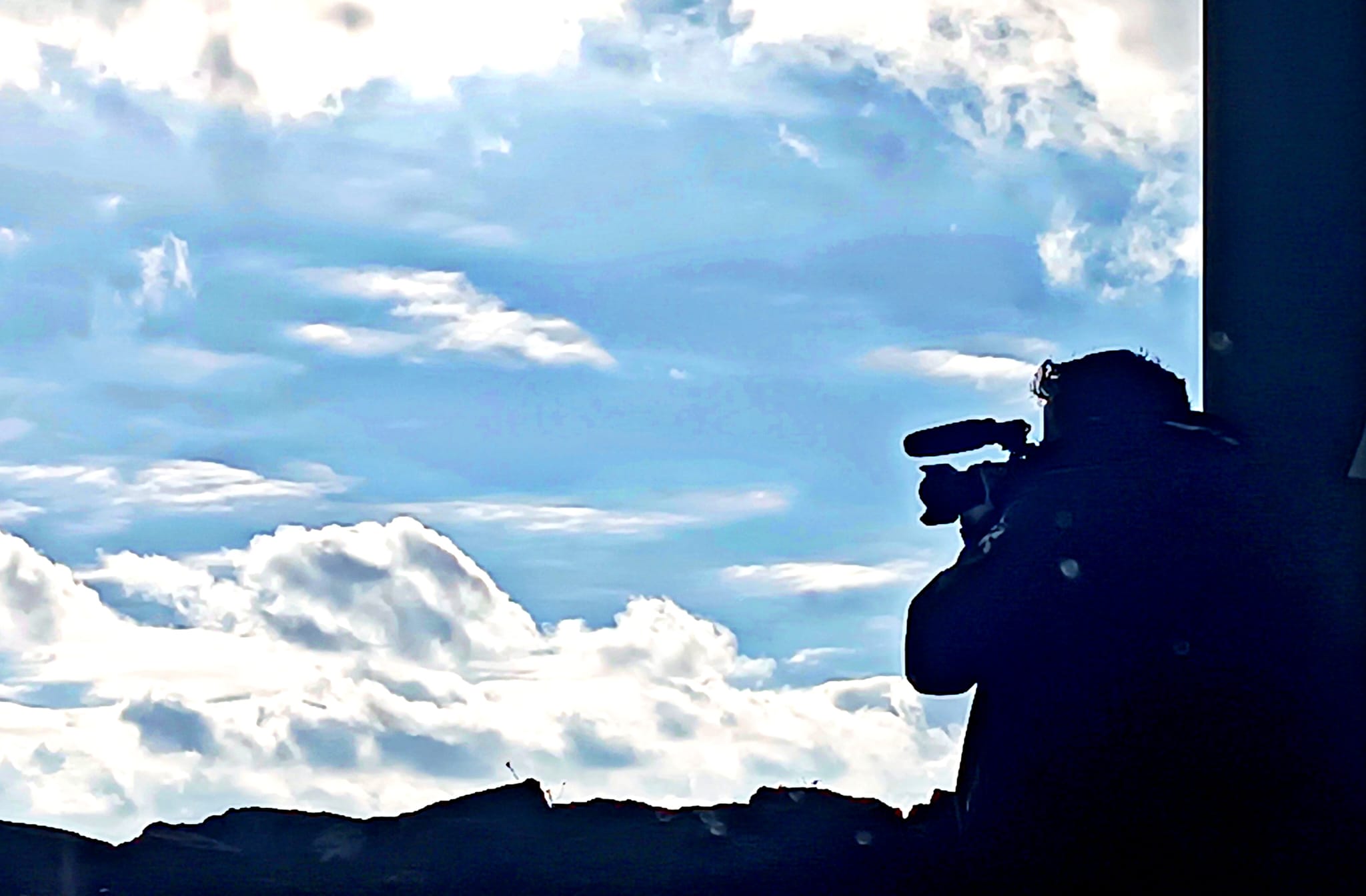
The field work adopted marine social and visual geography techniques to document and discuss with local researchers, stakeholders and citizens the present and future challenges of the former biggest port of Ireland, the transformation of the bay and traditional harbour sites.
As part of the broader CO>SEA team‘s research interest in society engagement with the ocean, and the PartArt4OW project’s support of participatory and creative actions for tightening such a connection, the field research was aimed at collecting, analysing and pre-project elaborating information on whether harbours are facing environmental treaths and the transformation of power geometries in global economies.
Research rationale
The progressive top-down gentrification processes, mallification, privatisation and touristification of major european harbour is often tide to an social and environmental unsustainable growth of the marine-related economies; while the traditional harbour neighbourhoods—especially those historically inhabited by fishermen, migrants, seafarers and harbours working-class—are seen as marginal zones that needs to be evicted from supposely criminal and submerged or informal economies, but they are rather privileged urban interfaces where city and ocean co-constitute one another. Often predating the modern city, these areas have long mediated the relationship between land and sea. These historically rich yet marginal and neglected public spaces, where oceanic connections (potentially connecting with the whole world) meet local places and cultures, become sites for reweaving social ties and reactivating sustainable relationships with the sea through community-led cultural programming, creative community economies, and participatory planning and design approaches. We aim to implement the green transition in one of the most overlooked yet strategic public spaces in European cities. As liminal zones between land and sea, harbour neighbourhoods have historically hosted maritime and economic activities—fishing, shipping, informal trade—often carried out by marginalised groups such as fishermen, seafarers, migrants, and workers in submerged economies. Due to their ambiguous spatial status and underinvestment in cultural, environmental, and infrastructural terms, these areas frequently suffer from social fragmentation, aesthetic degradation, environmental pollution, and a weakened sense of local identity. Once vibrant hubs of small-scale fishing, shipbuilding, and local commerce, many now suffer abandonment, marine debris accumulation, and the pressures of climate change. Others are reshaped by neoliberal redevelopment through mass tourism, gentrification, privatization, and “mallification.” In both contexts, socio-political cultures, environmental relationships, and maritime infrastructures are undermined, leading to the erosion of traditional knowledge, the invisibility of maritime governance impacts, and new coastal inequalities affecting migrants and marginalized communities. Their revitalisation is thus not just about heritage preservation or green urbanism, but a critical step toward more inclusive, ocean-literate, and environmentally resilient societies.
Research questions:
How these challenges have been addressed (or attempted at)? How power dynamics, colonial legacies, economic inequalities, and cultural hegemonies materialise in the fluid space of coastal sea and harbour areas? Under what conditions socio-political and cultural engagement can Harbour Neighbourhoods communities to reshape their environment, strengthen social ties, and reimagine sustainable futures? What “diverse economies” in harbour valorise informal, collective, and everyday practices of cultural labour, activism, and place-making?
Cobh harbour presentation by David White – UCC MAREI:
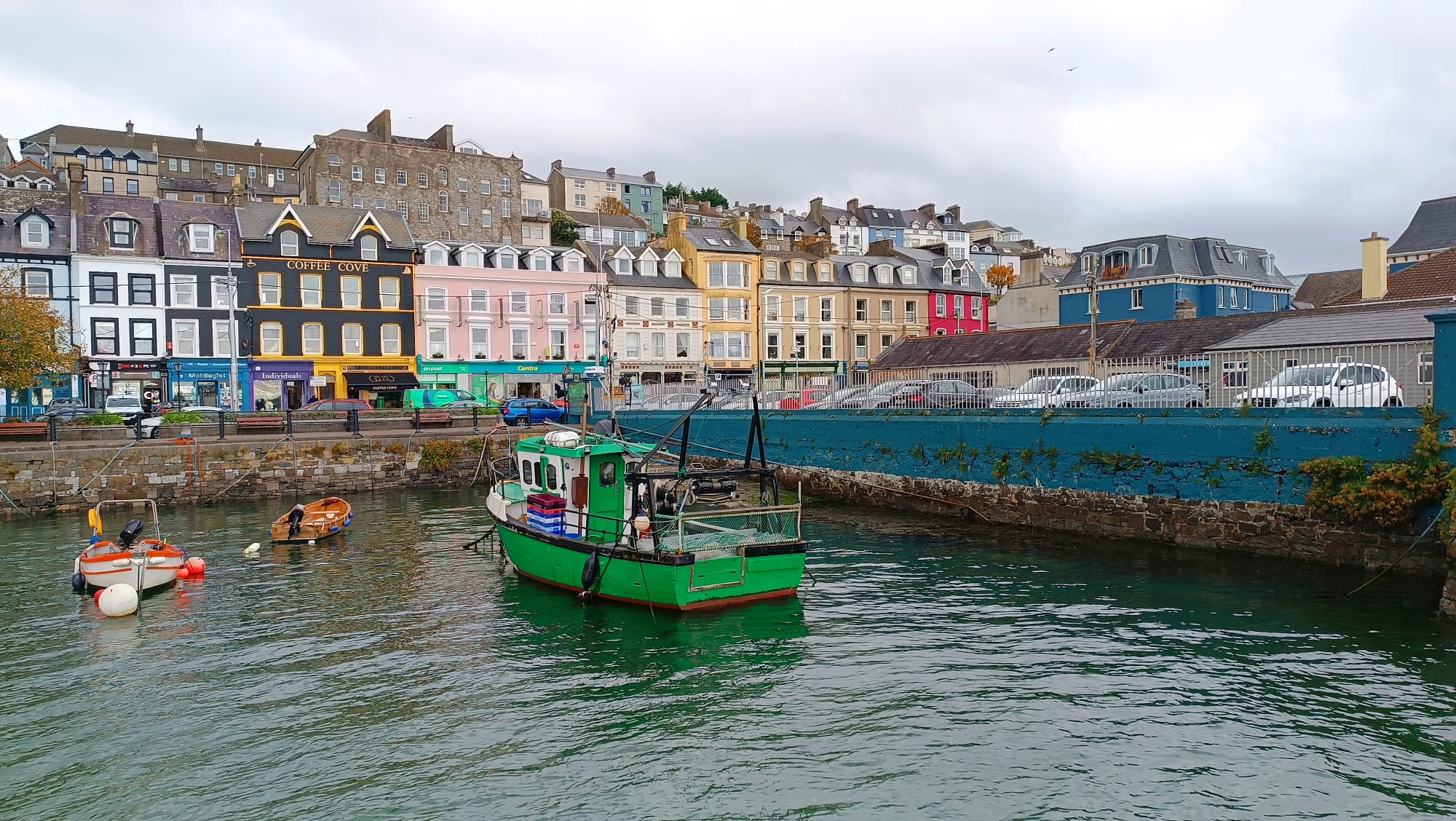
Cobh (c. 14,000 inhabitants; 5.1 sq. km), located in Cork Harbour—the world’s second-largest natural harbour—faces multiple environmental and social pressures. The surrounding harbor area is designated as a Special Protection Area (SPA), but it faces significant pressures, primarily from the cruise ship port at Cobh and the pharmaceutical industry located across the river on the opposite banks of the River Lee. Green spaces within Cobh serve as sports fields, while others provide valuable habitats for local wildlife. However, these spaces are small, fragmented, and scattered throughout the town, with some areas vulnerable to flooding. This creates both challenges and opportunities for improving biodiversity support, as well as promoting social and well-being benefits in these areas. Cobh also faces notable inequality, with its 5.1 km² containing both affluent and disadvantaged areas, as indicated by Ireland’s Pobal Deprivation Index. Tourism is a significant economic driver for some local businesses, while others face the challenge of commuting outside the town to sustain their livelihoods, further adding to sustainability pressures. Fishing, a historical and still important local activity, is increasingly under threat due to competing uses within the harbor area. The Port of Cork terminal, a commercial operation, is located directly across the river from Cobh, while Cork Dockyard, a private business, is situated within Cobh itself. Cobh’s public realm requires modernization and redevelopment to unlock its potential as a more livable, inclusive, and biodiverse neighborhood. The town faces growing inequality, a lack of social infrastructure and services, challenges with integrating new communities, and the broad inclusion of diverse social groups in local life.

Map depicting the inequality in Cobh. Across its small 5.1km2 area, there are many pockets that are classed as “disadvantaged” or “very disadvantaged”, then ranging to “affluent”.
Green transition plans are outlined in the Cork County Development Plan 2022-2028: Cork County Development Plan. Key priorities include promoting compact growth, sustainable tourism, and increasing biodiversity in the area’s fragmented green spaces. The Cobh Public Realm Enhancement Plan (Cobh Public Realm Enhancement Plan) presents exciting proposals to enhance greening, pedestrianize areas, and improve public access to the seafront. Despite being published in 2021, implementation of these proposals has not yet begun, and there is a need for renewed momentum. The wider Cork Harbour area has seen many national and EU-funded projects aimed at community-driven urban regeneration, nature restoration, and increased social inclusion. Two notable recent initiatives include: A-AAGORA (2022-2026): This project uses living labs to engage communities in restoration activities and provide nature-based solutions to protect local biodiversity, while boosting citizen participation in local greening efforts; TIDAL ArtS (2024-2027): This initiative utilizes inclusive, participatory art-science collaborations to foster social inclusion and cultural activities, aligning with the EU’s Mission Ocean & Waters. TIDAL ArtS’s residency program will launch in Cork in 2025. Local stakeholders involved include: Cork County Council – Cobh Municipal District (Local Authority), South and East Cork Area Development (Local Community Development Company), Sirius Arts Centre (Cultural organization), Great Island Community Centre CLG (Community-owned space), Cobh and Harbour Chamber (Local business association), and Cobh Zero Waste (Volunteer environmental group).
Field research agenda:
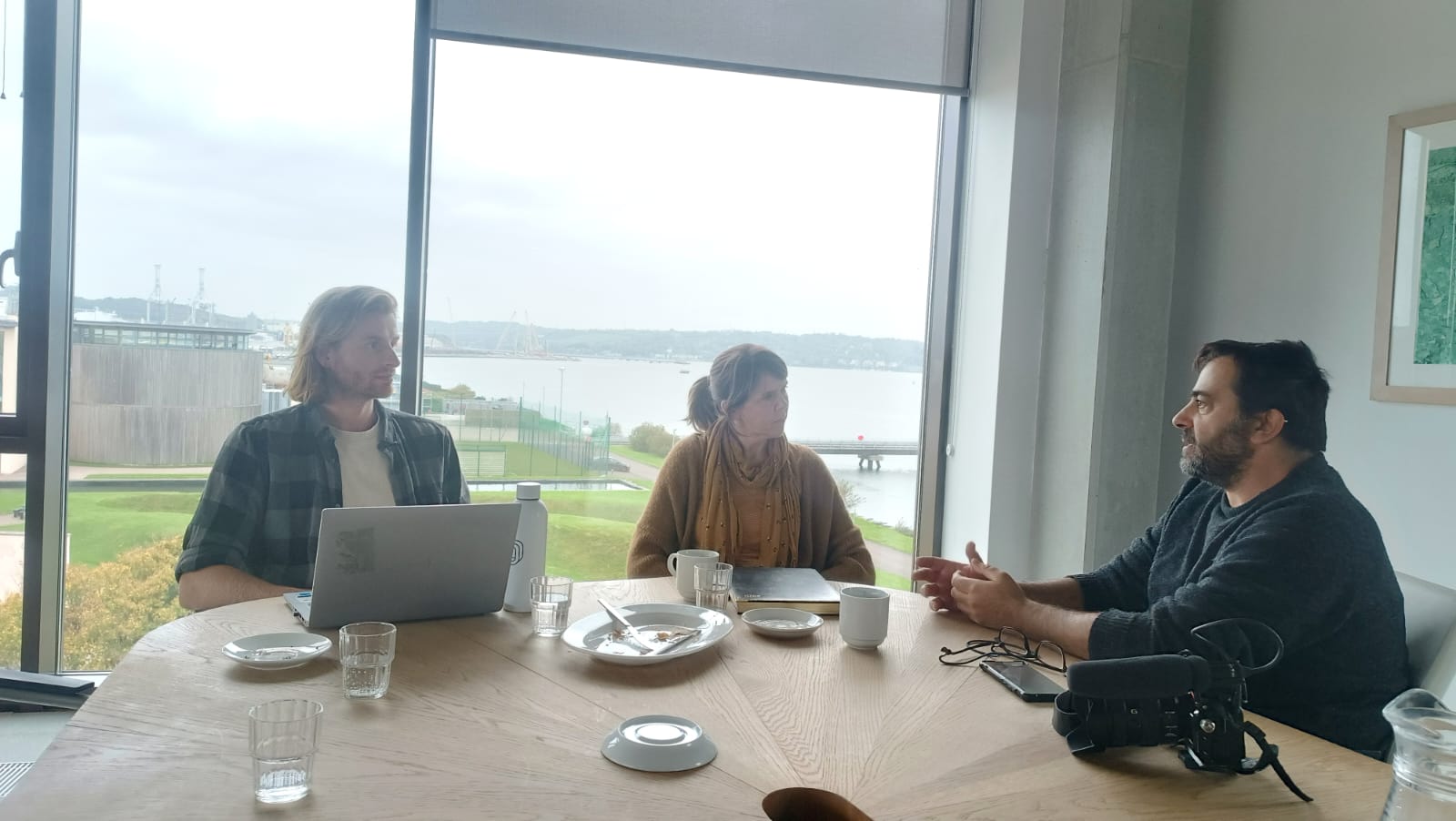
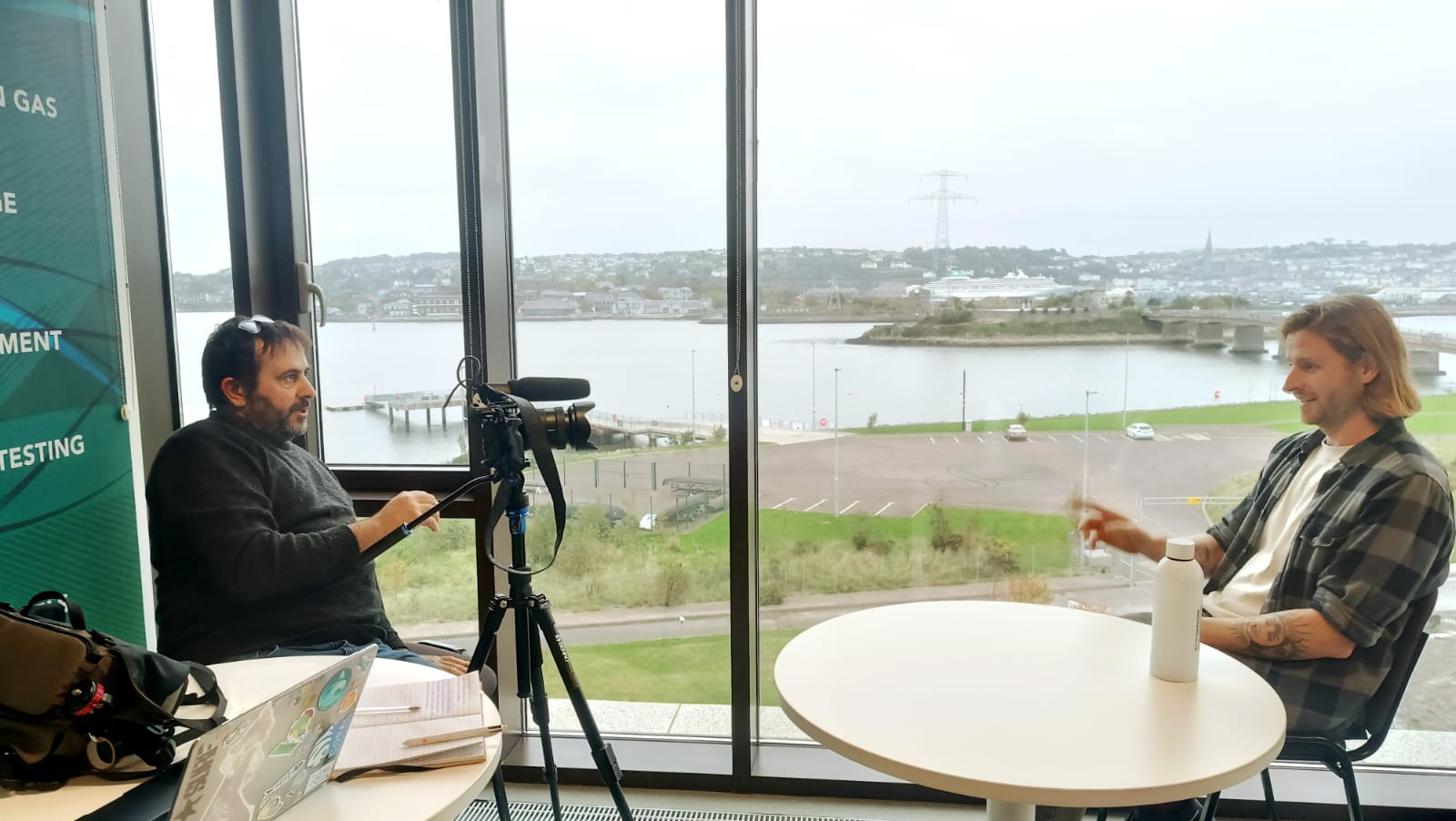
Oct 15th: visit to the Research Ireland Centre for Energy, Climate and Marine research and innovation – MaREI, University of Cork, presentation of PartArt4OW and CoSea_Lab, project writing meeting and video-interviews with Aoife Deane and David Whyte
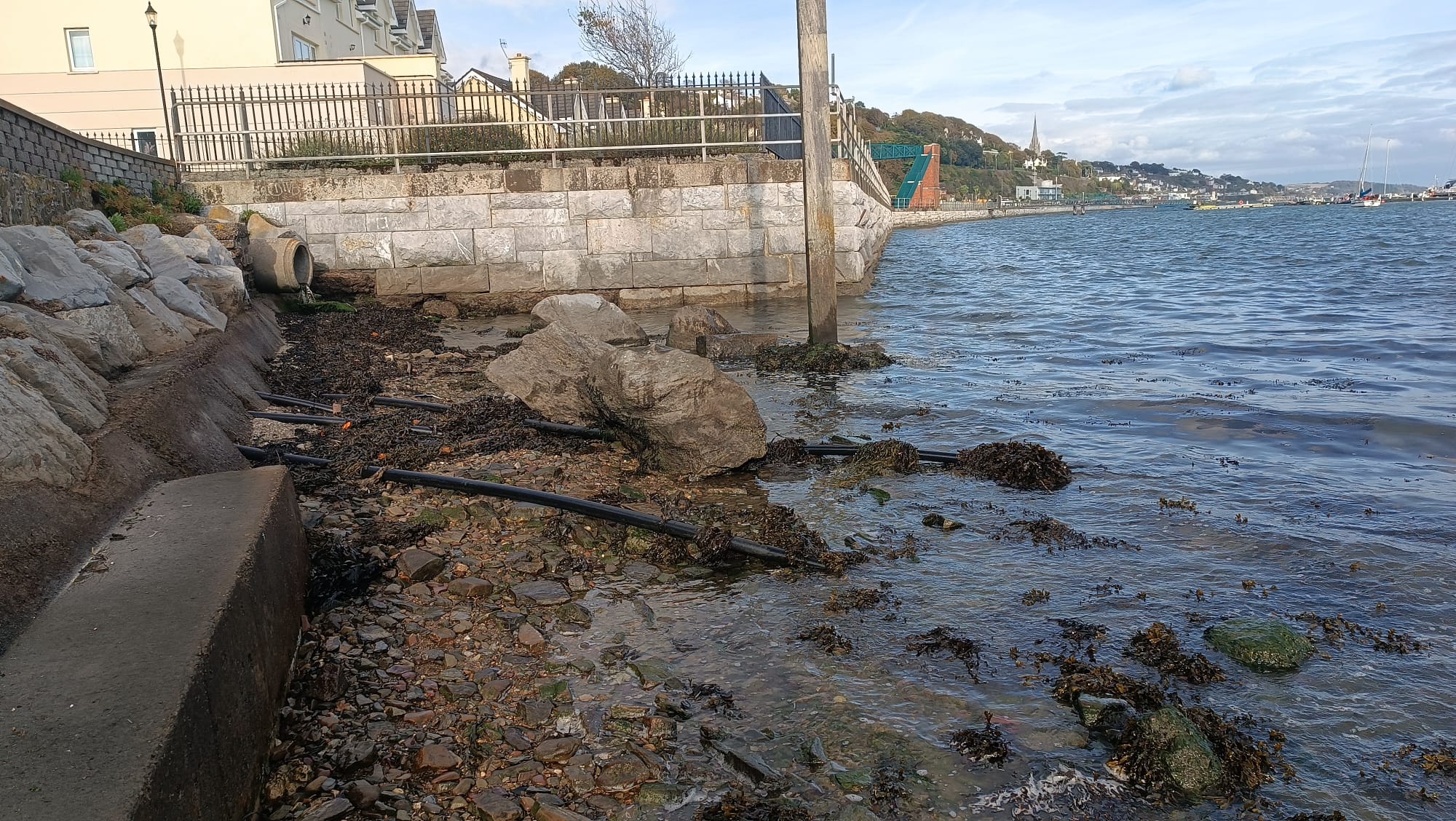
Oct 16th: community stakeholder meeting in Cobh at the Sirius Arts Centre to discuss proposal preparation and community/cultural project collaborations between Cobh stakeholders and UCC. Attending stakeholders: Miguel Amado, Nico, Micheal, Megan, Mark, Patrick, Simone (Sirius Arts Centre), Nuala O’Connell (South and East Cork Area Development CLG (SECAD)), Gwen O’Halloran (Cobh Community Centre CLG), Colin Morehead (Cobh and Harbour Chamber/Royal Cork Yacht Club). The meeting has been followed with transect walk and video interviews with stakeholders and data collection via field diary and mapping and video-documentation of key socio-environmental features and emergences in the bay.
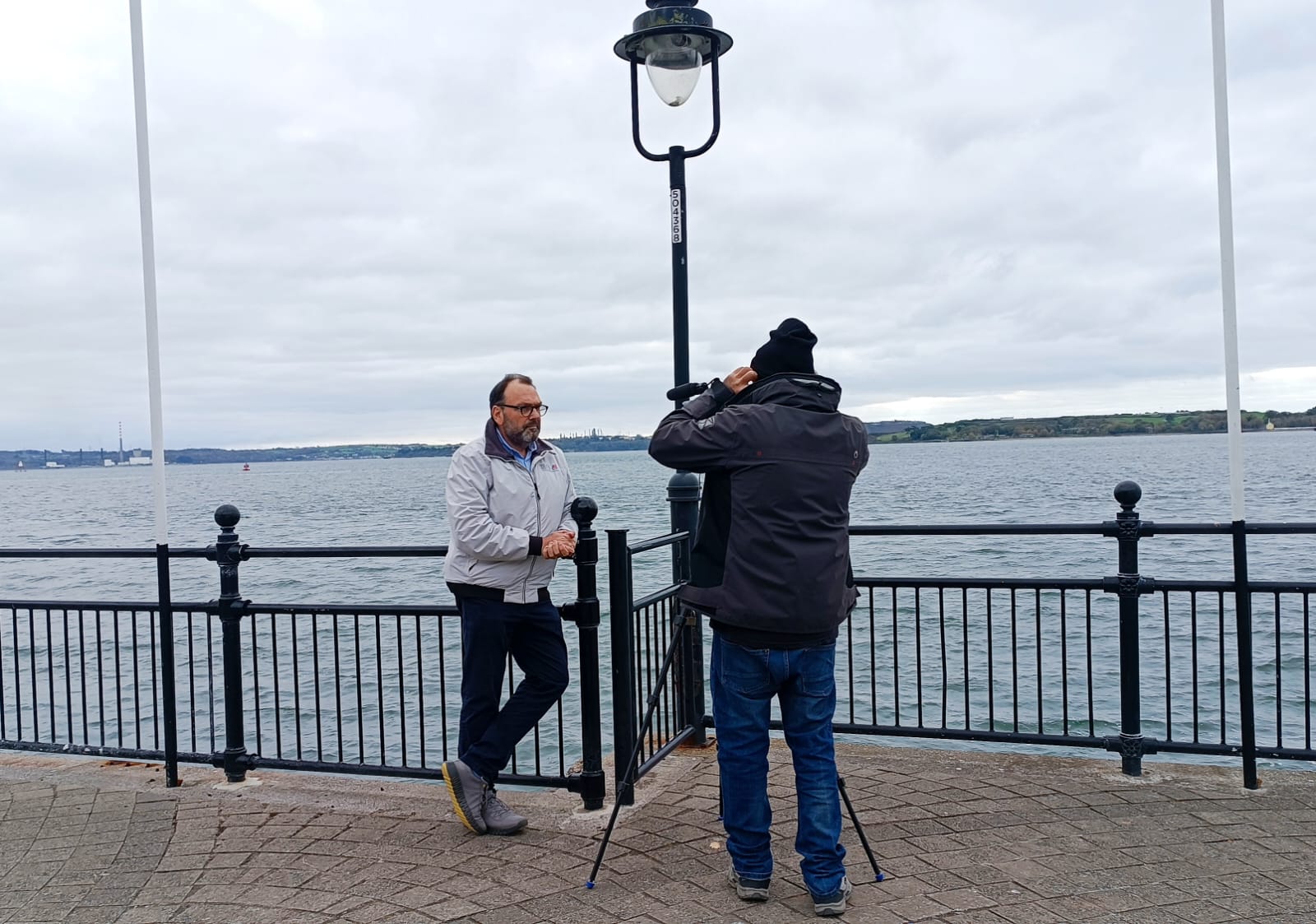
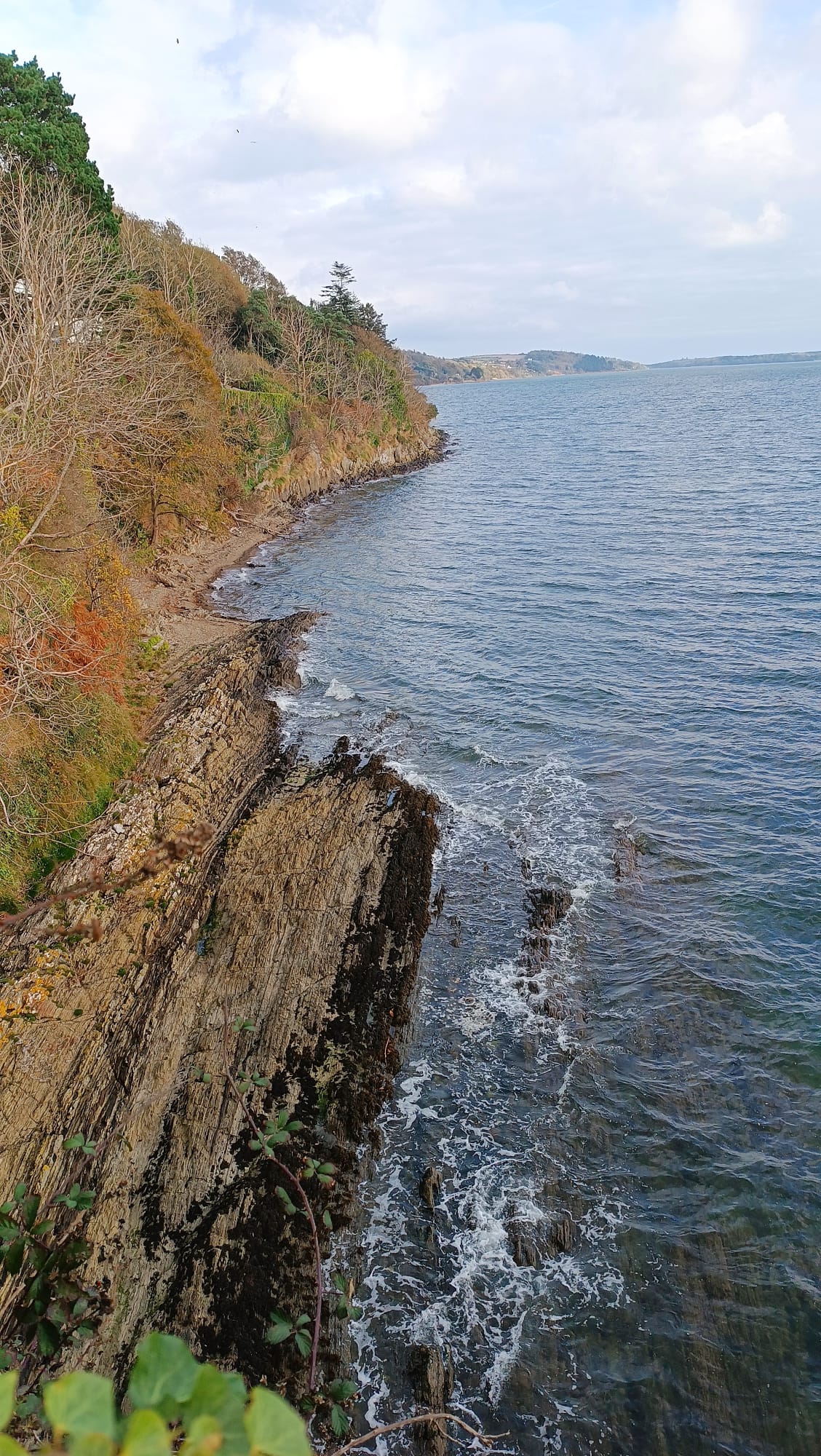
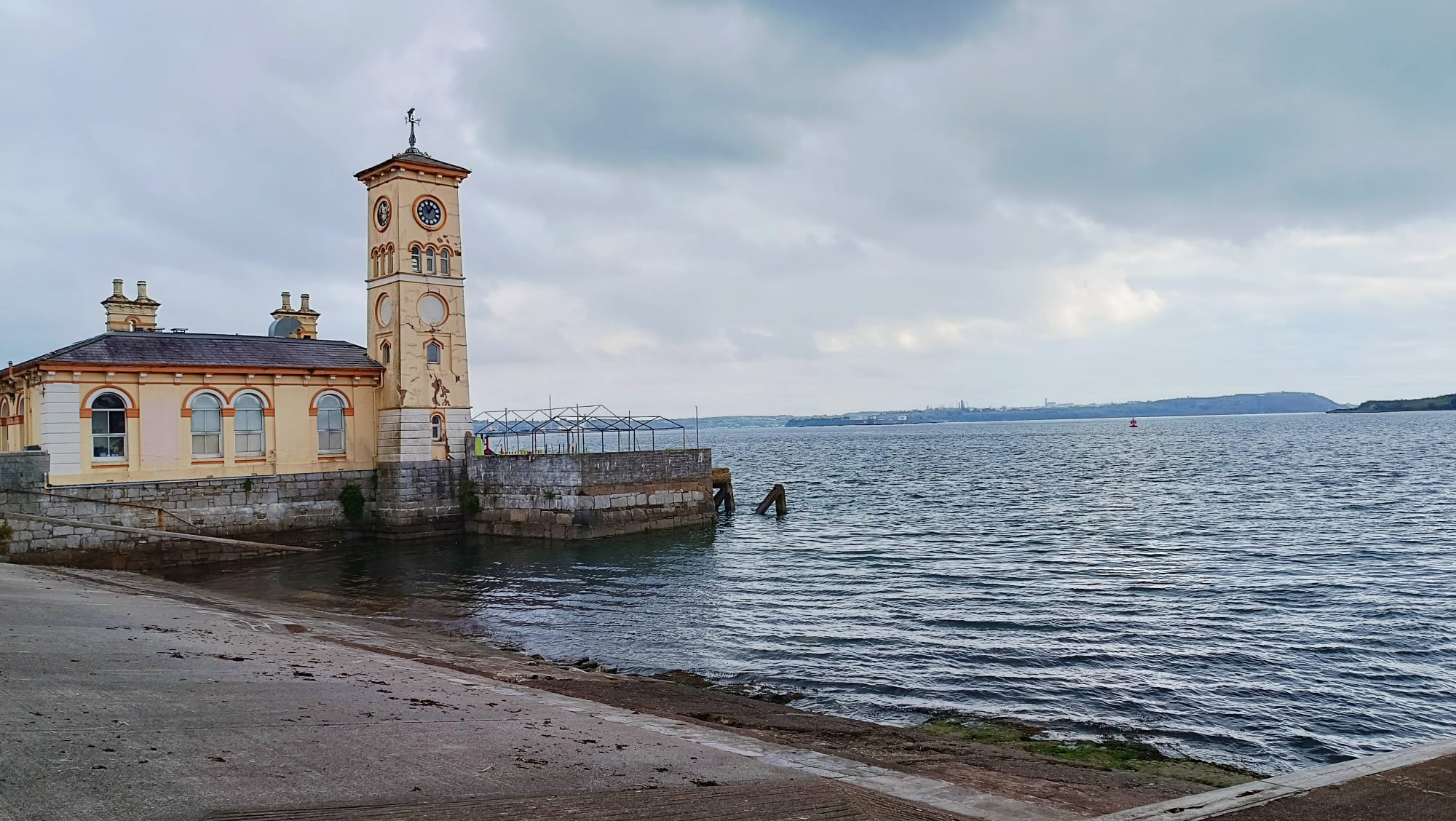
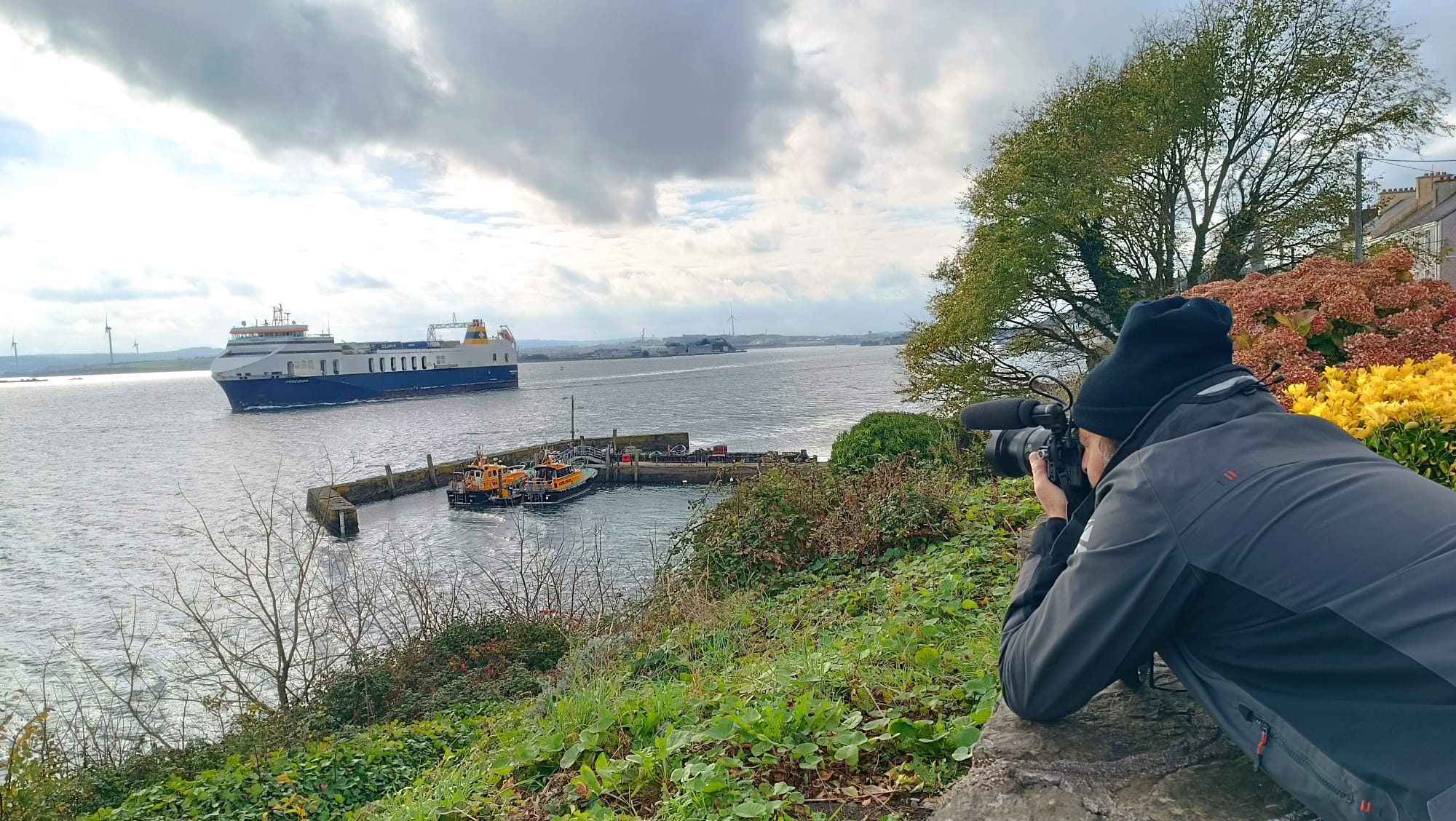
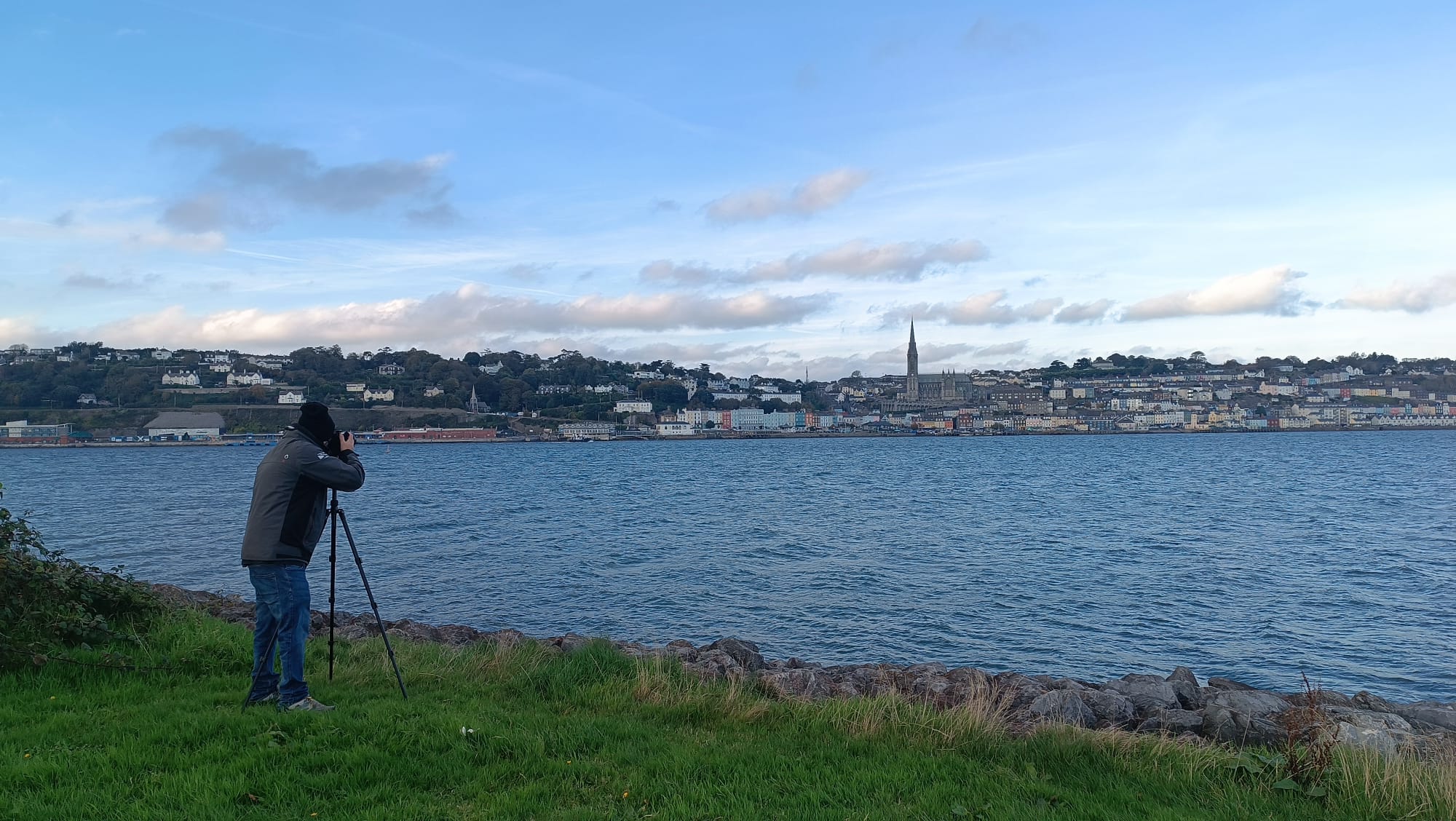
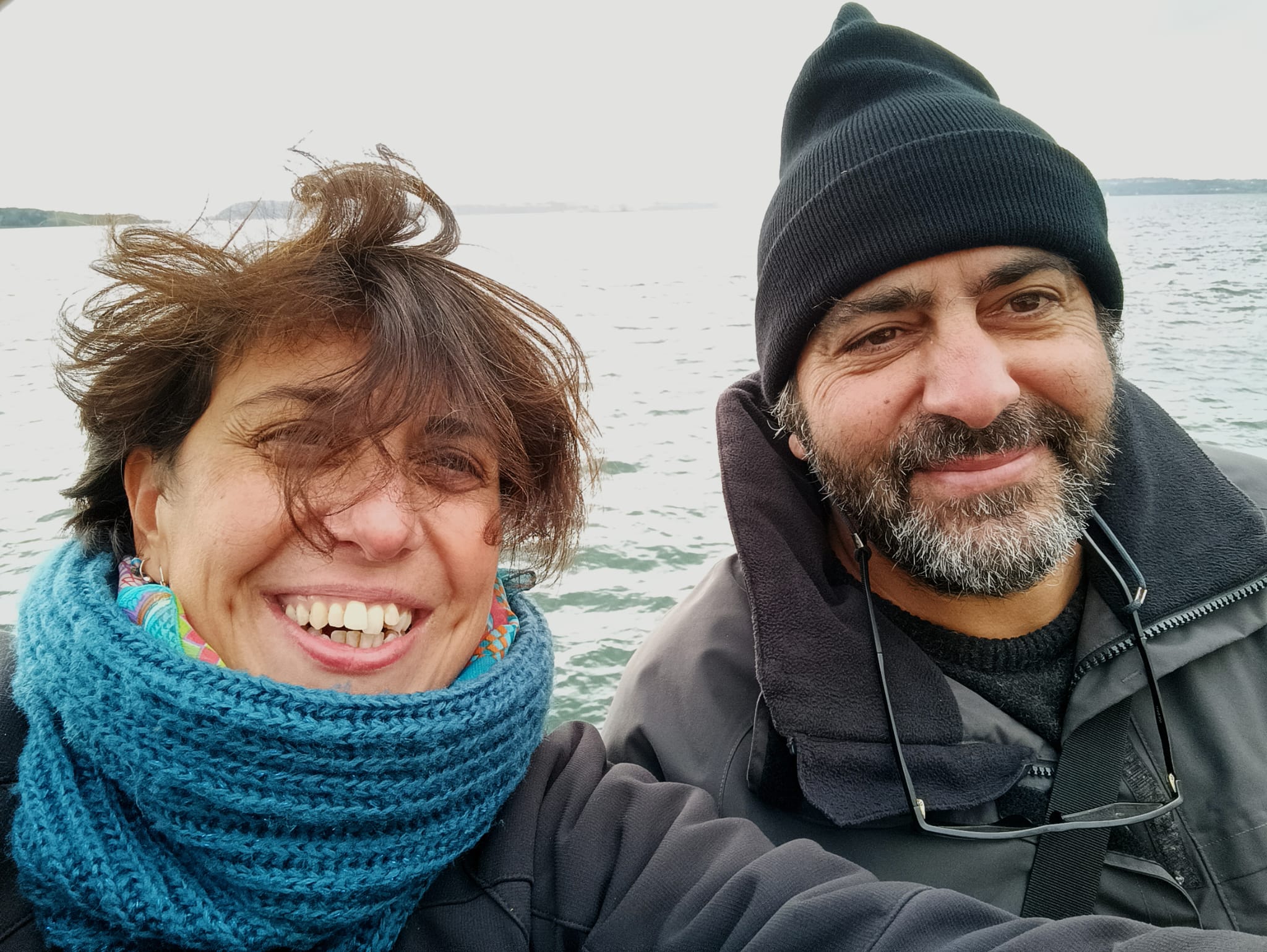
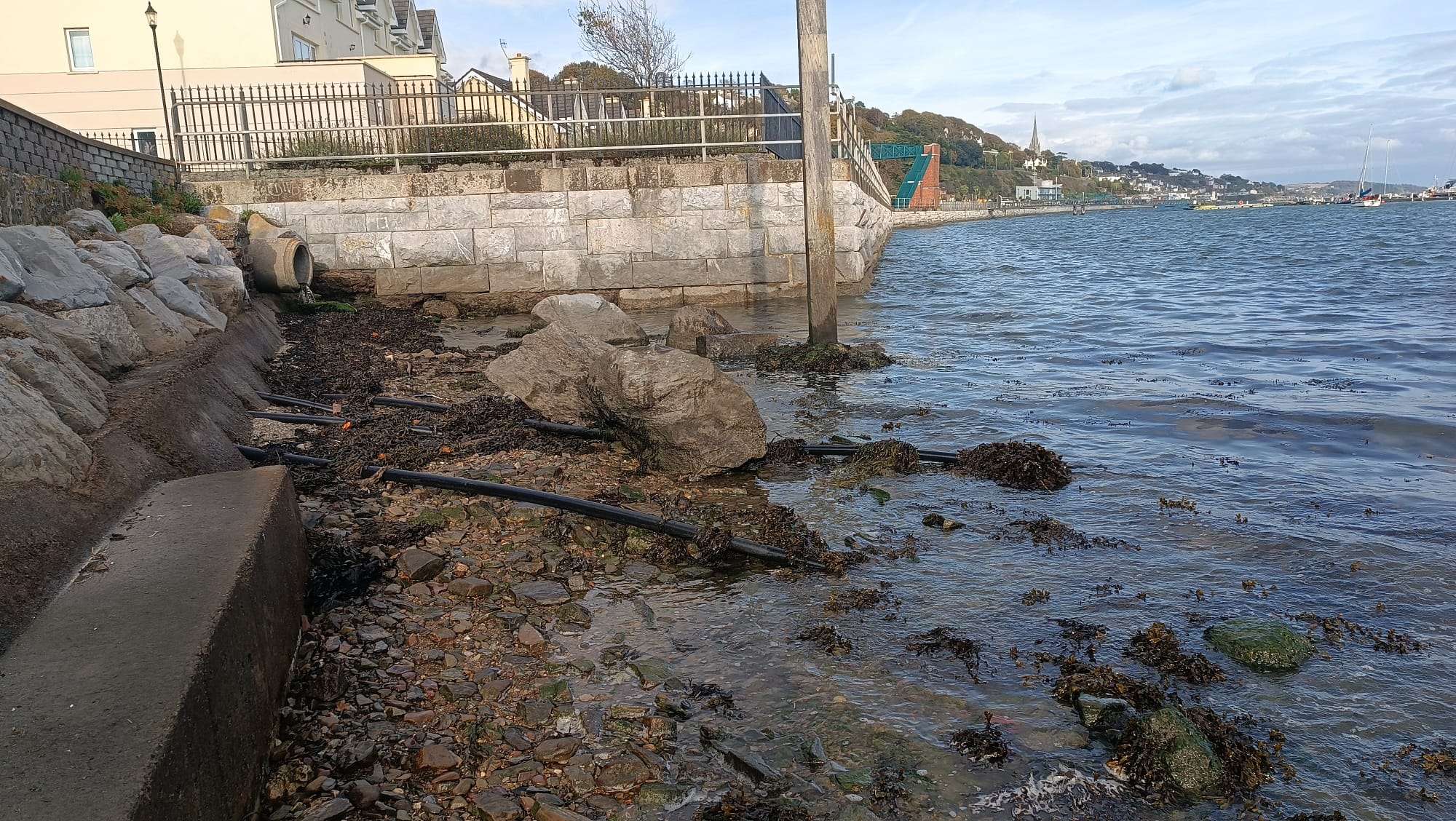
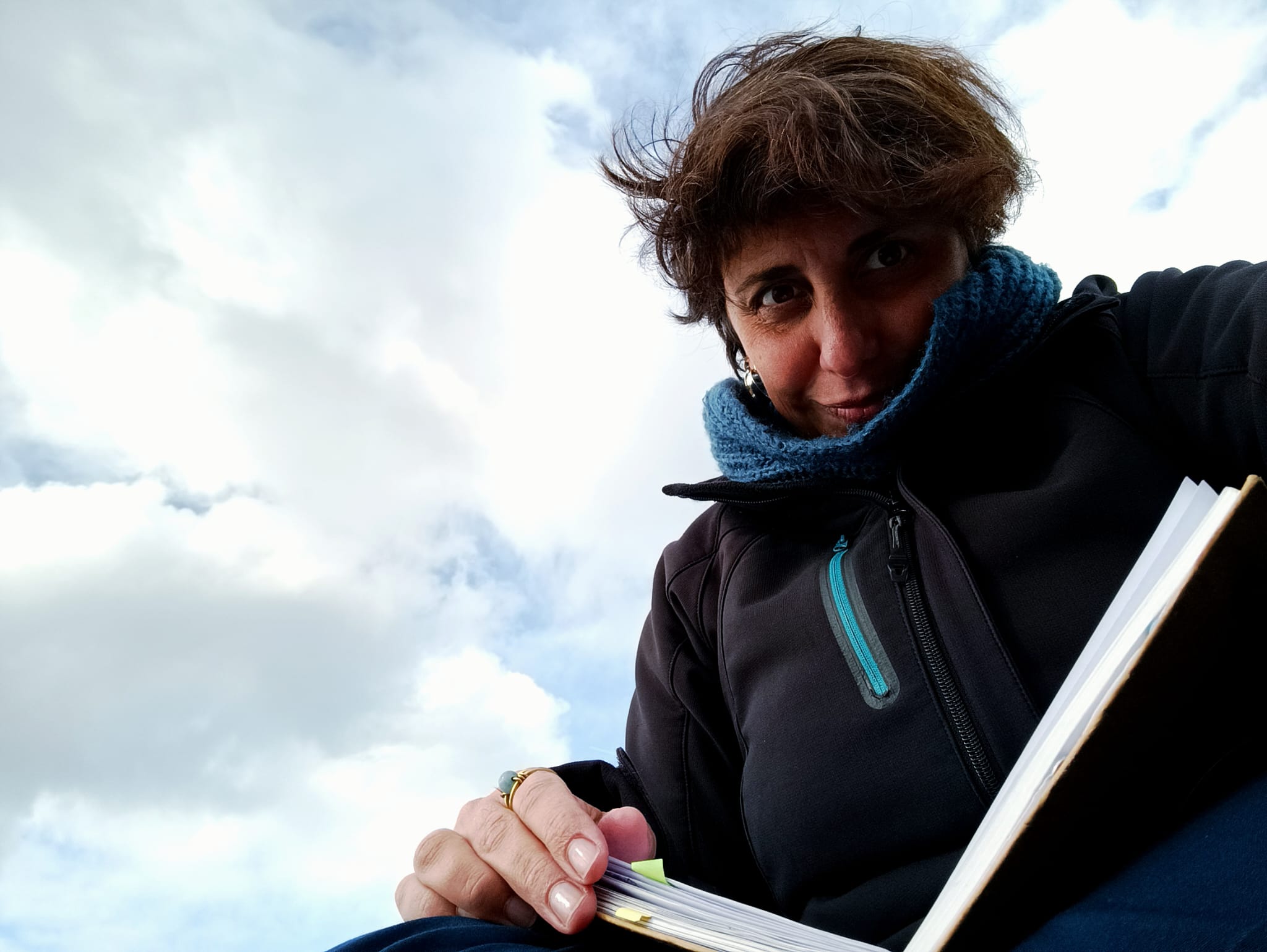
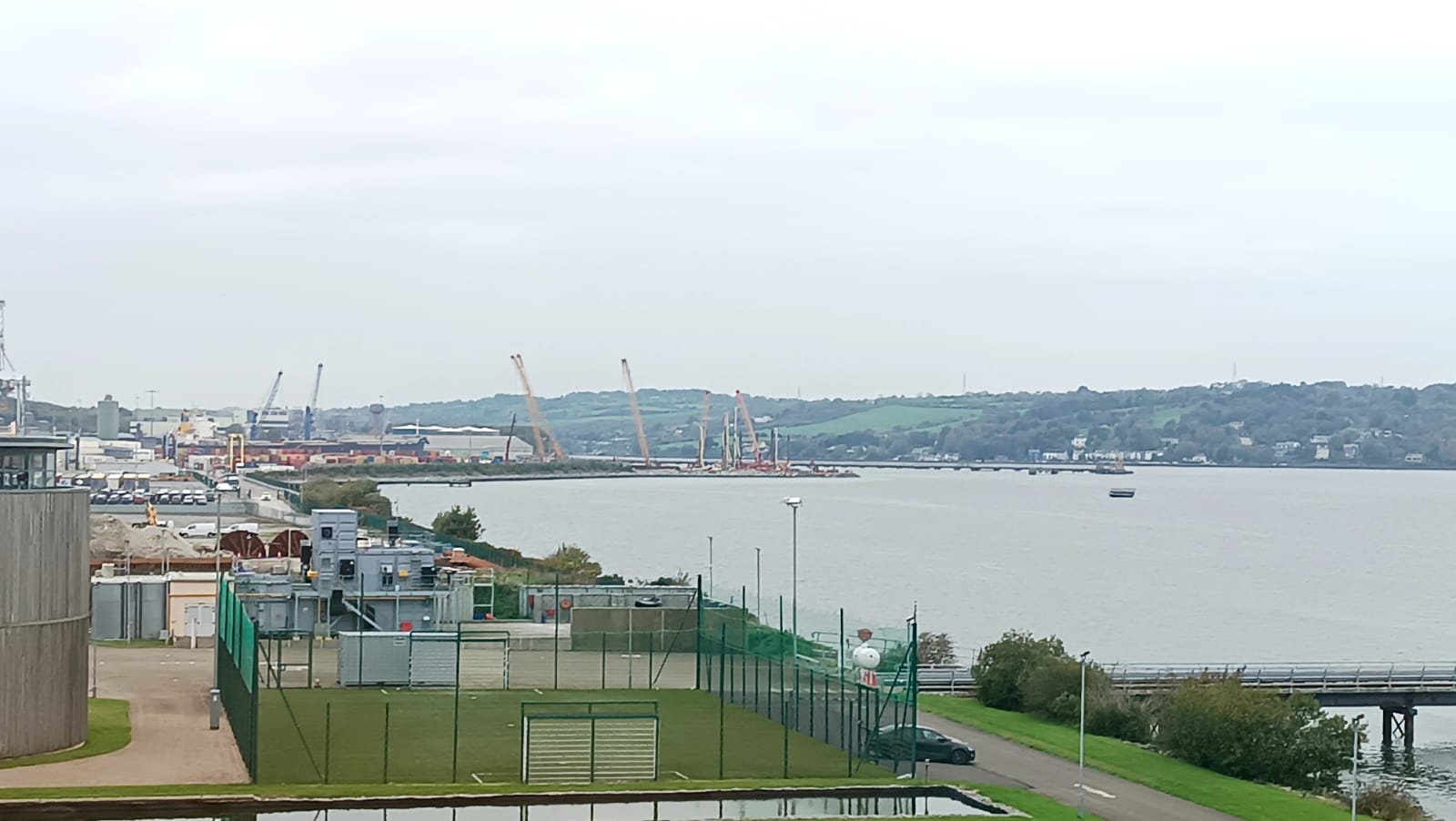
Oct 17th: video-interviews with local citizens in Cobh and visit to the Port of Cork area.
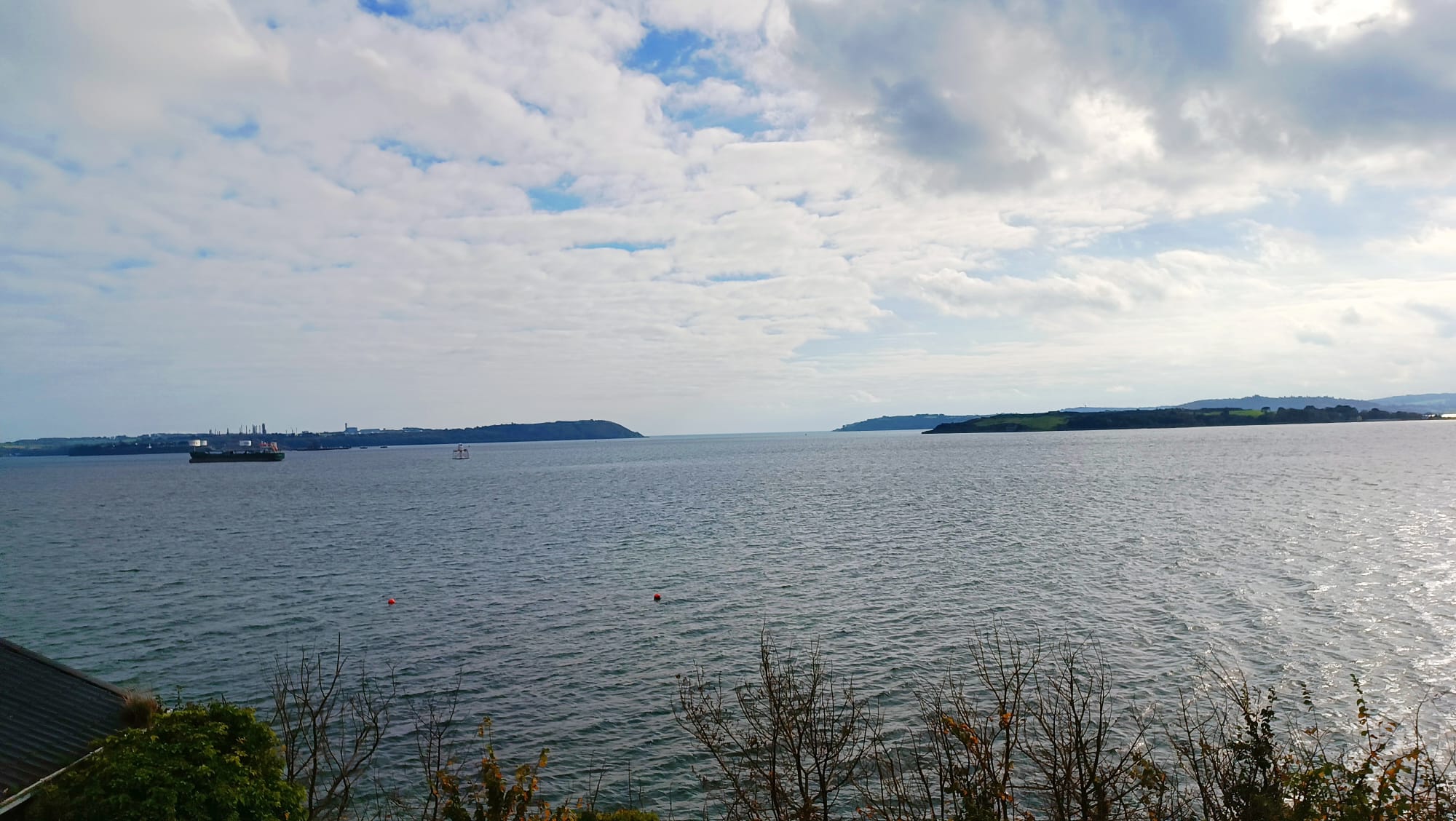
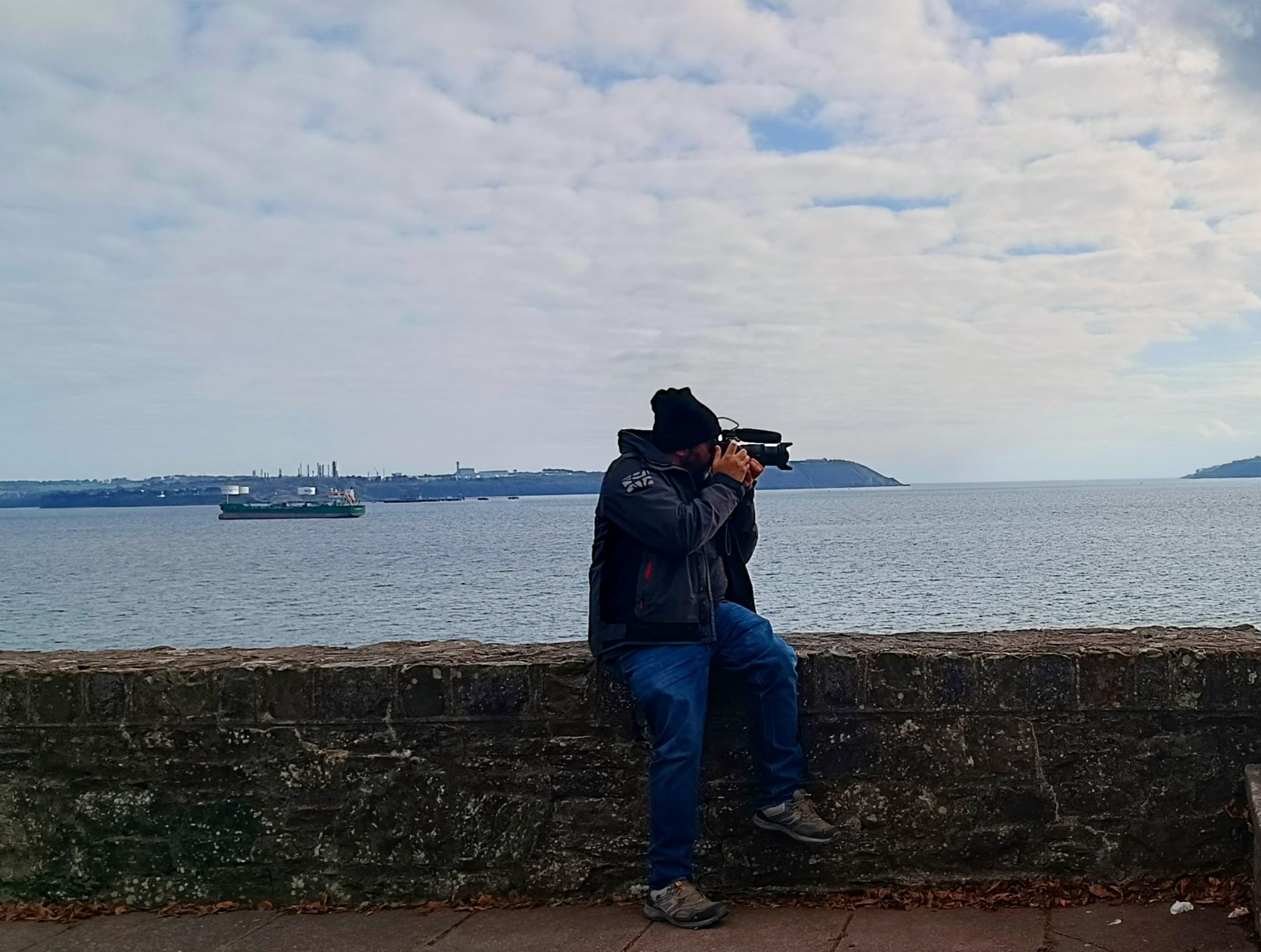
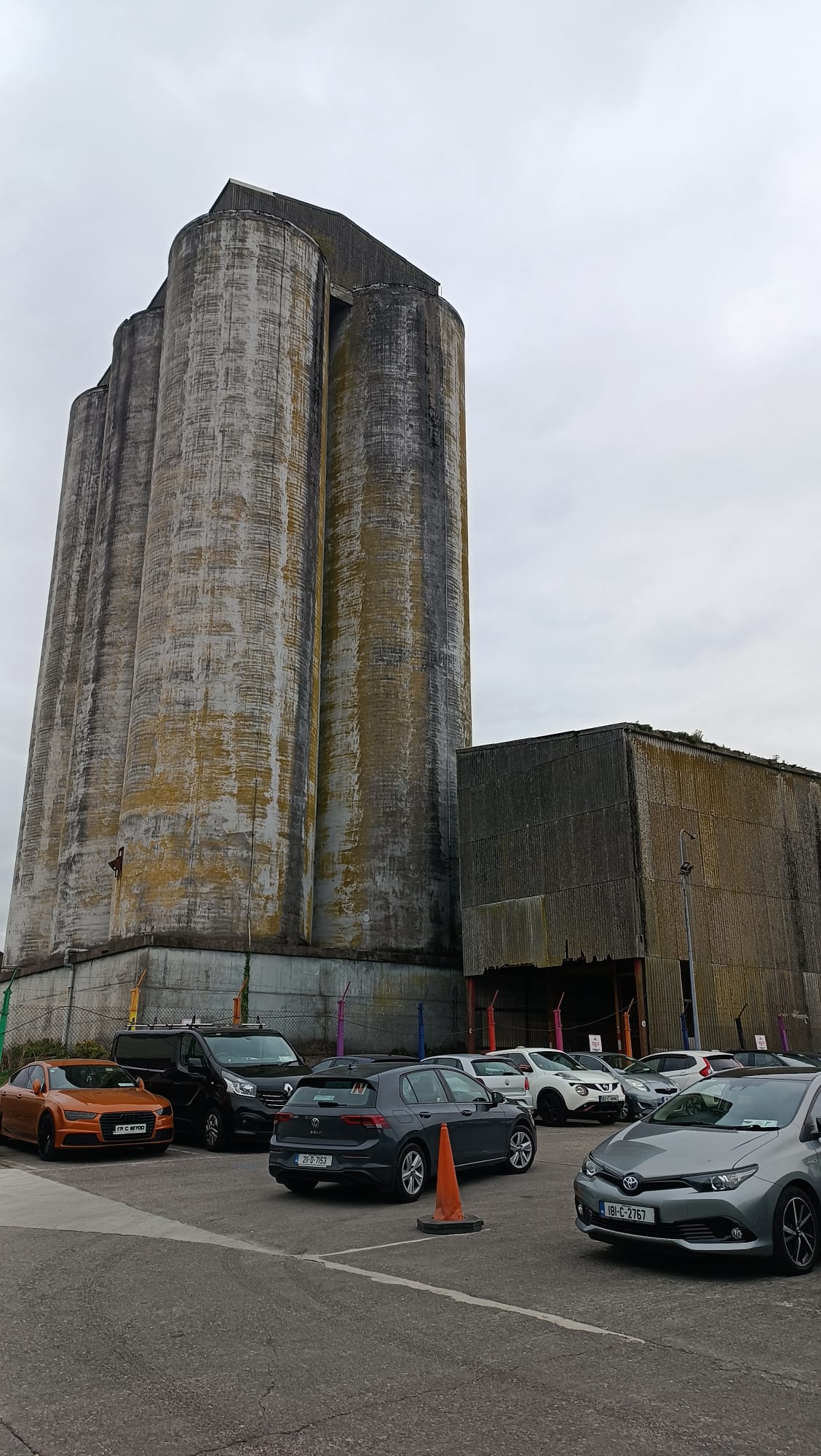
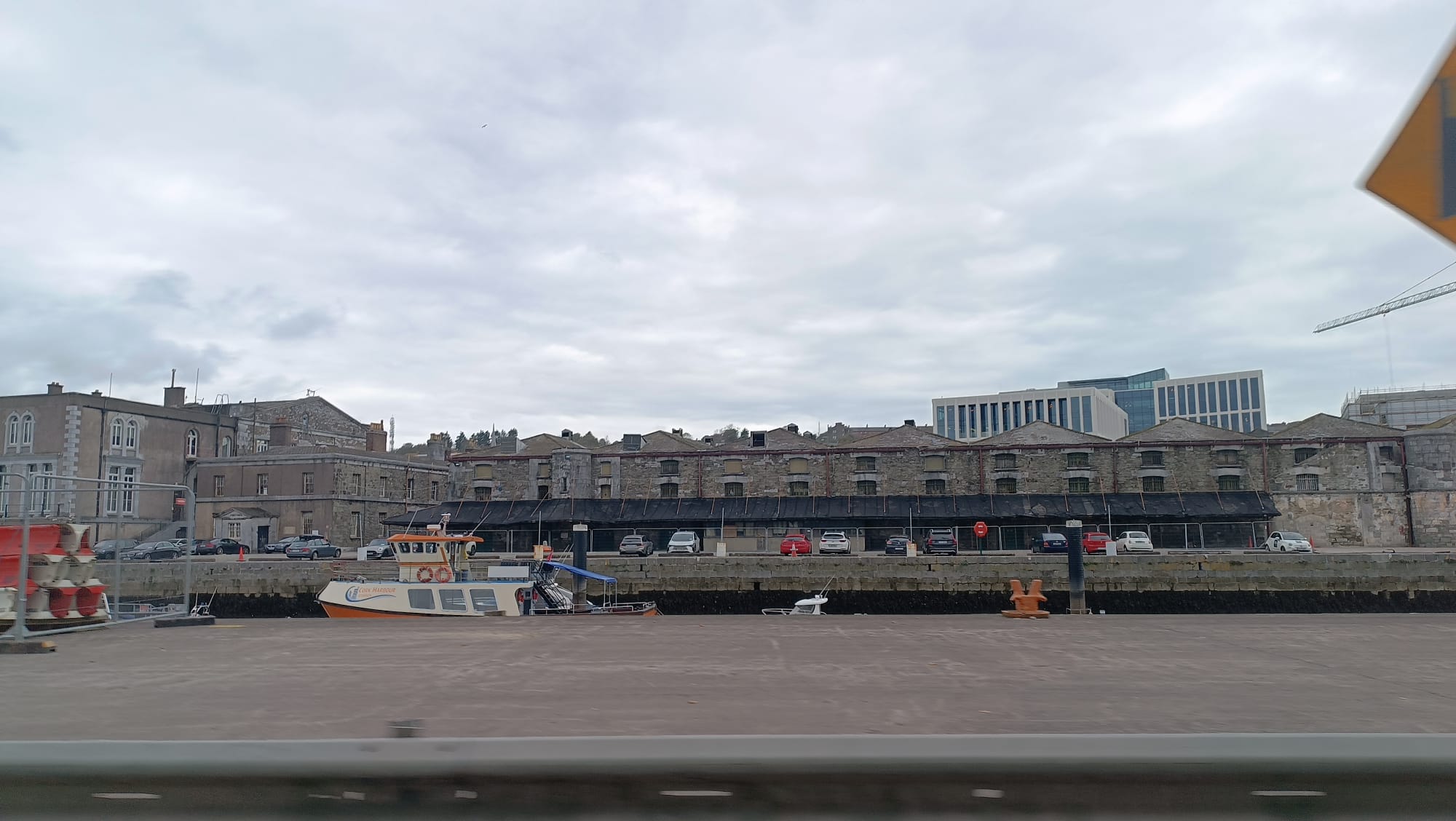
Post-field research considerations

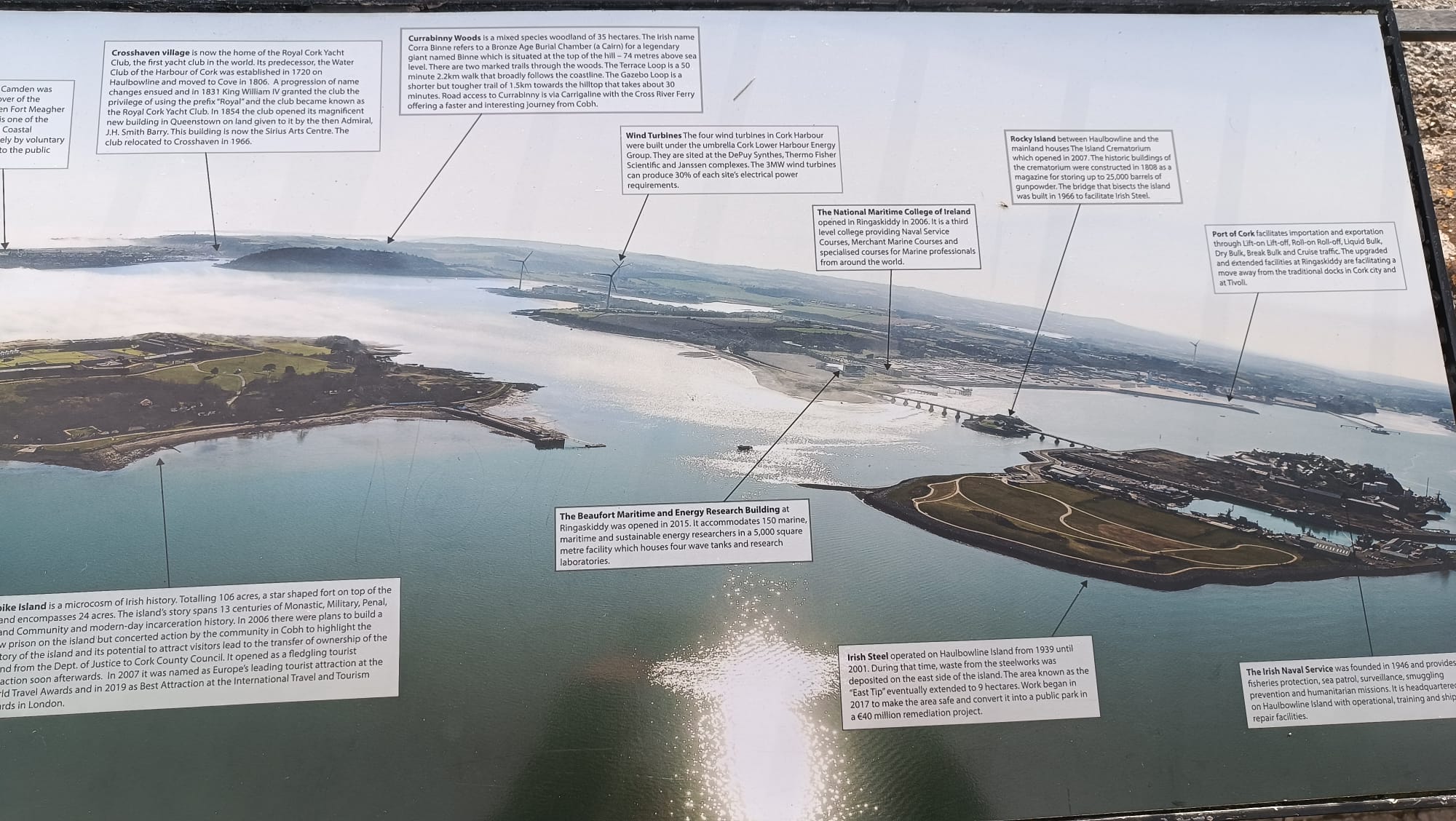
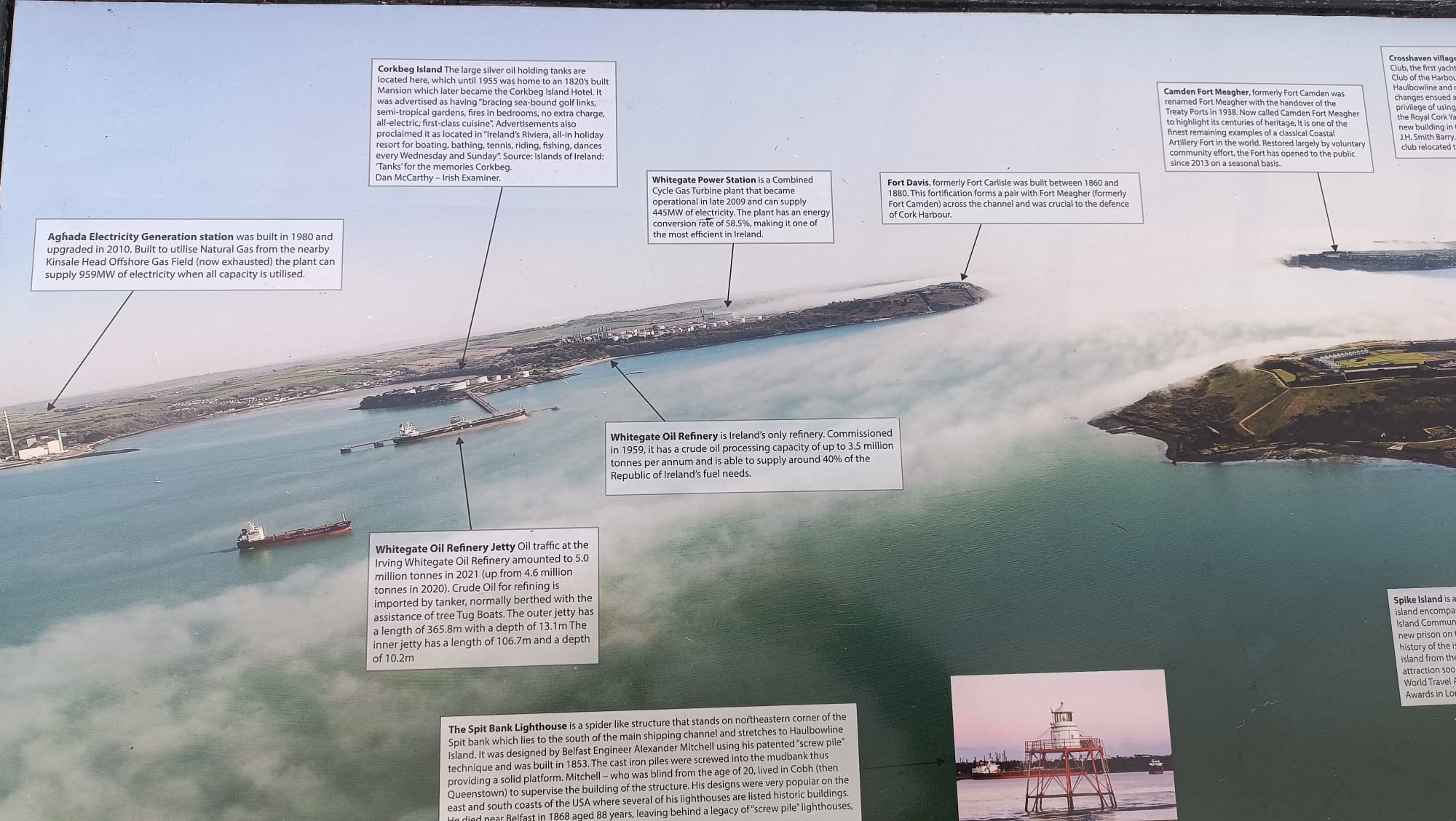
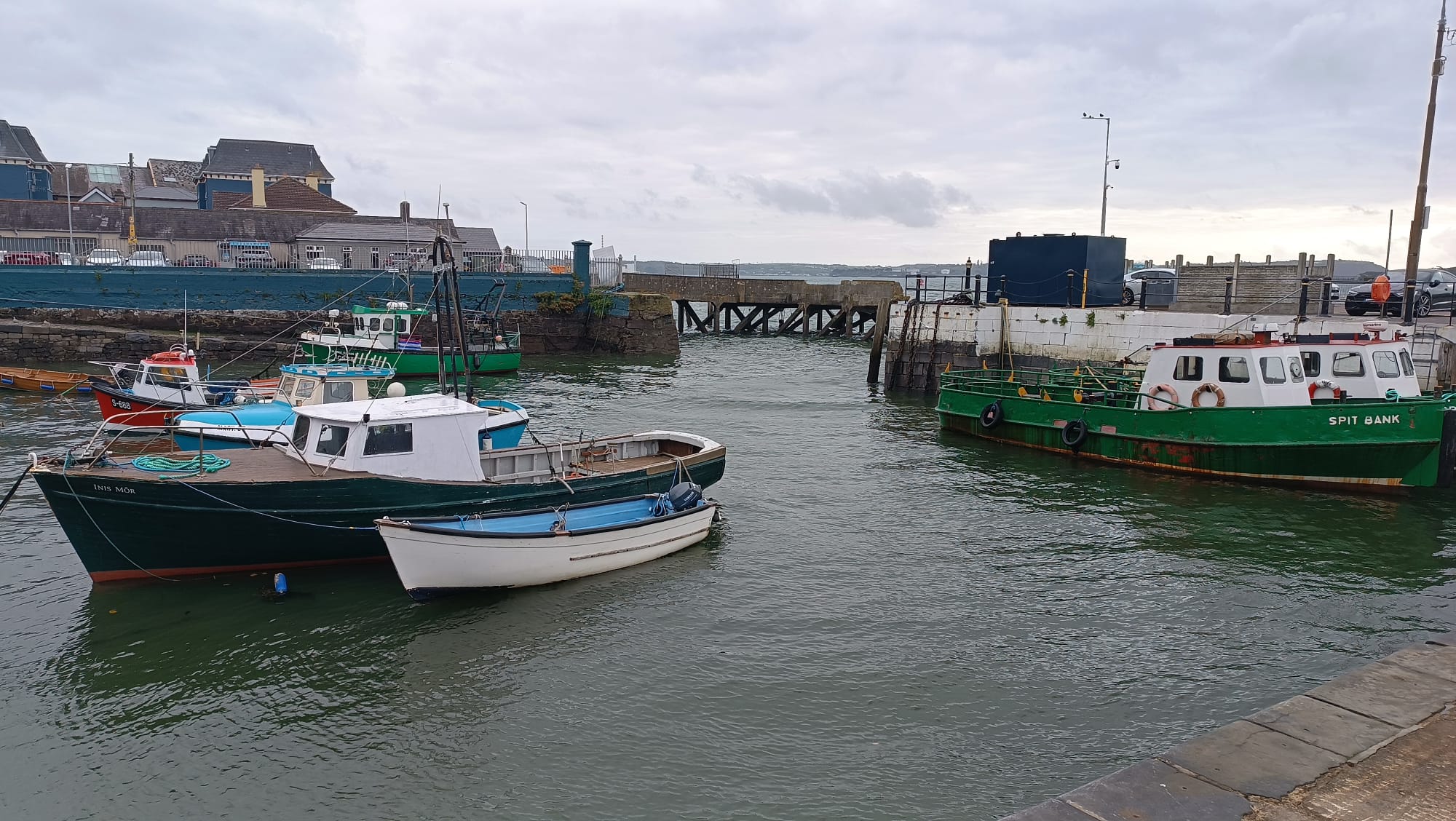
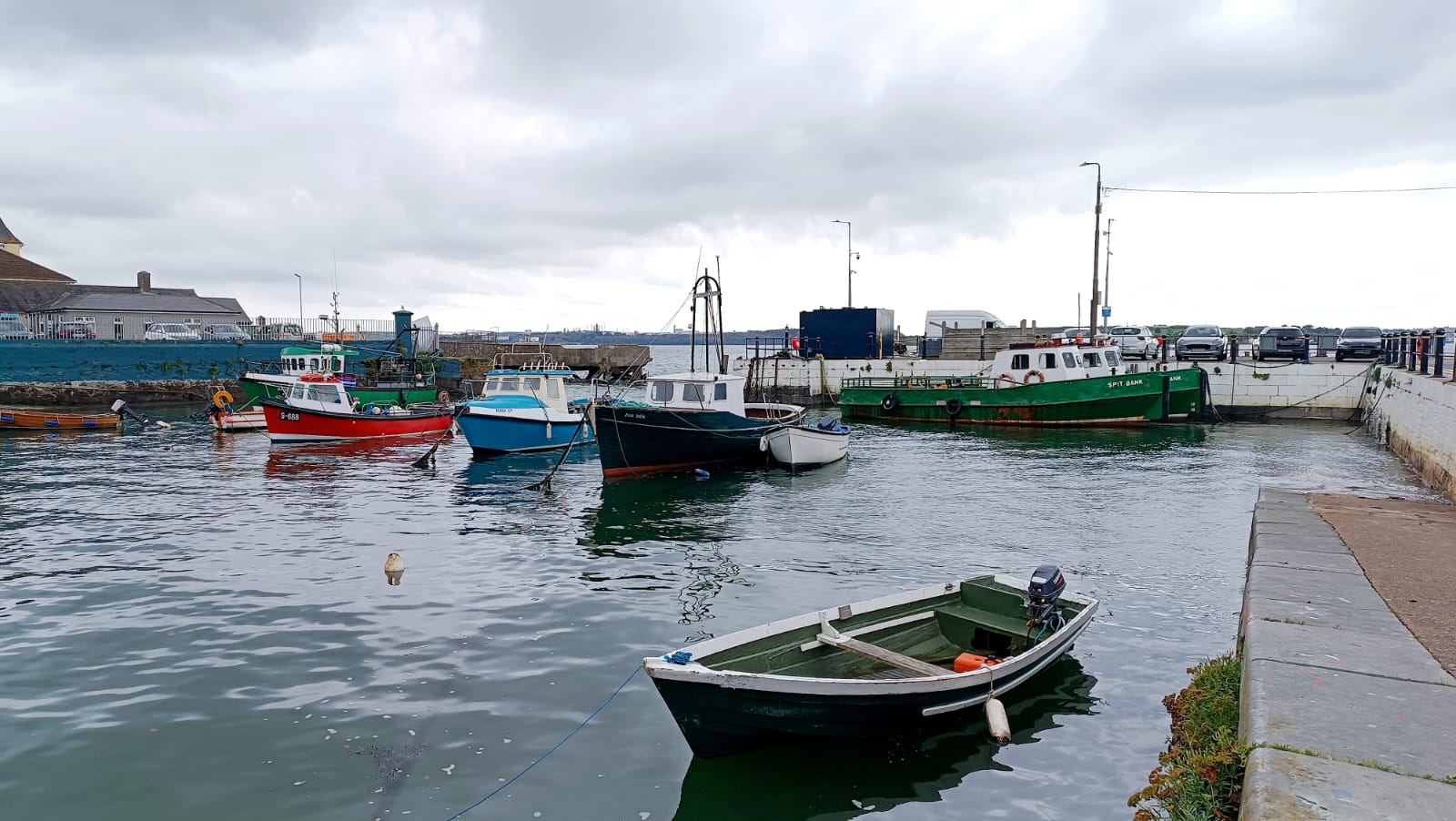
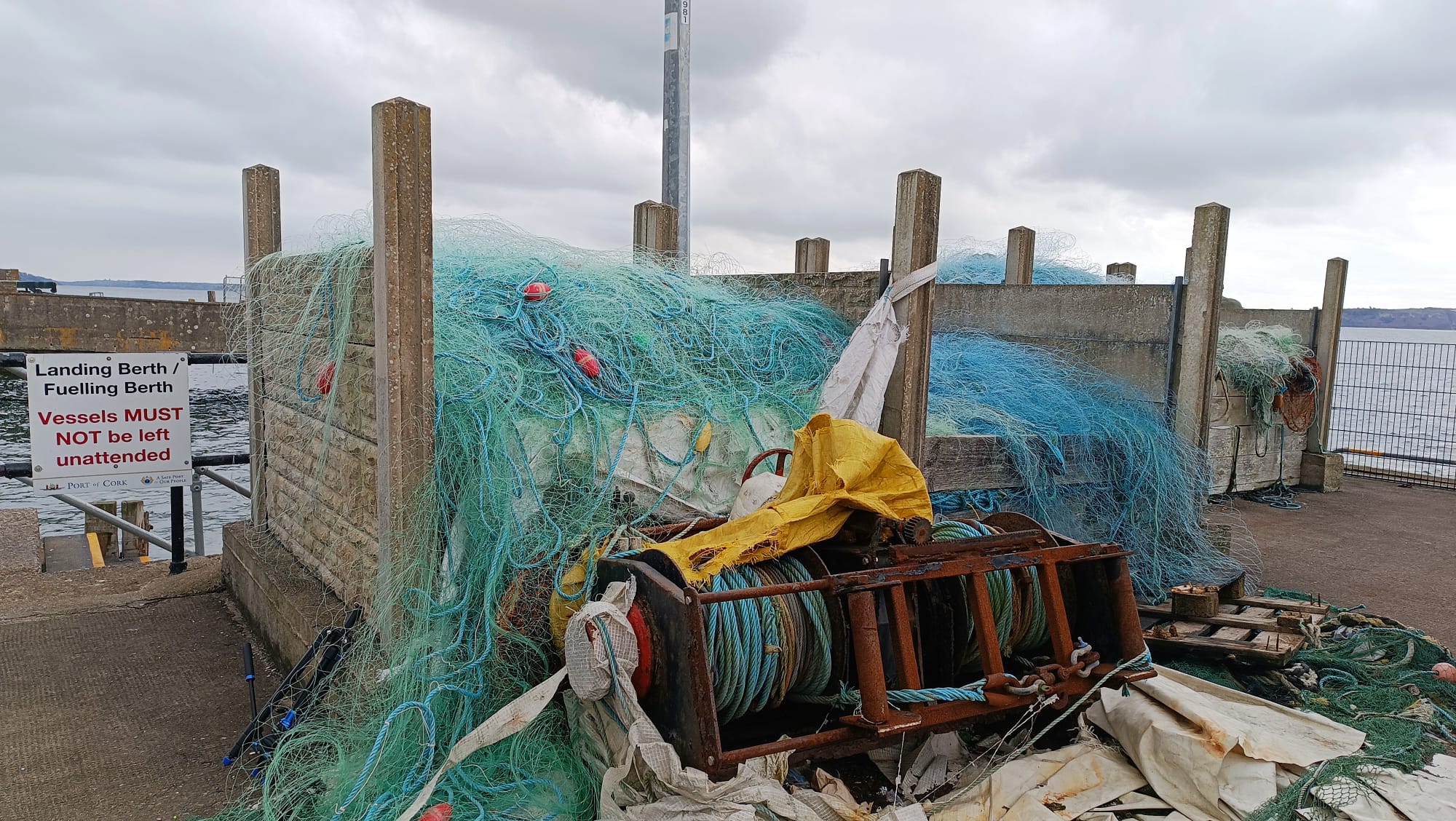
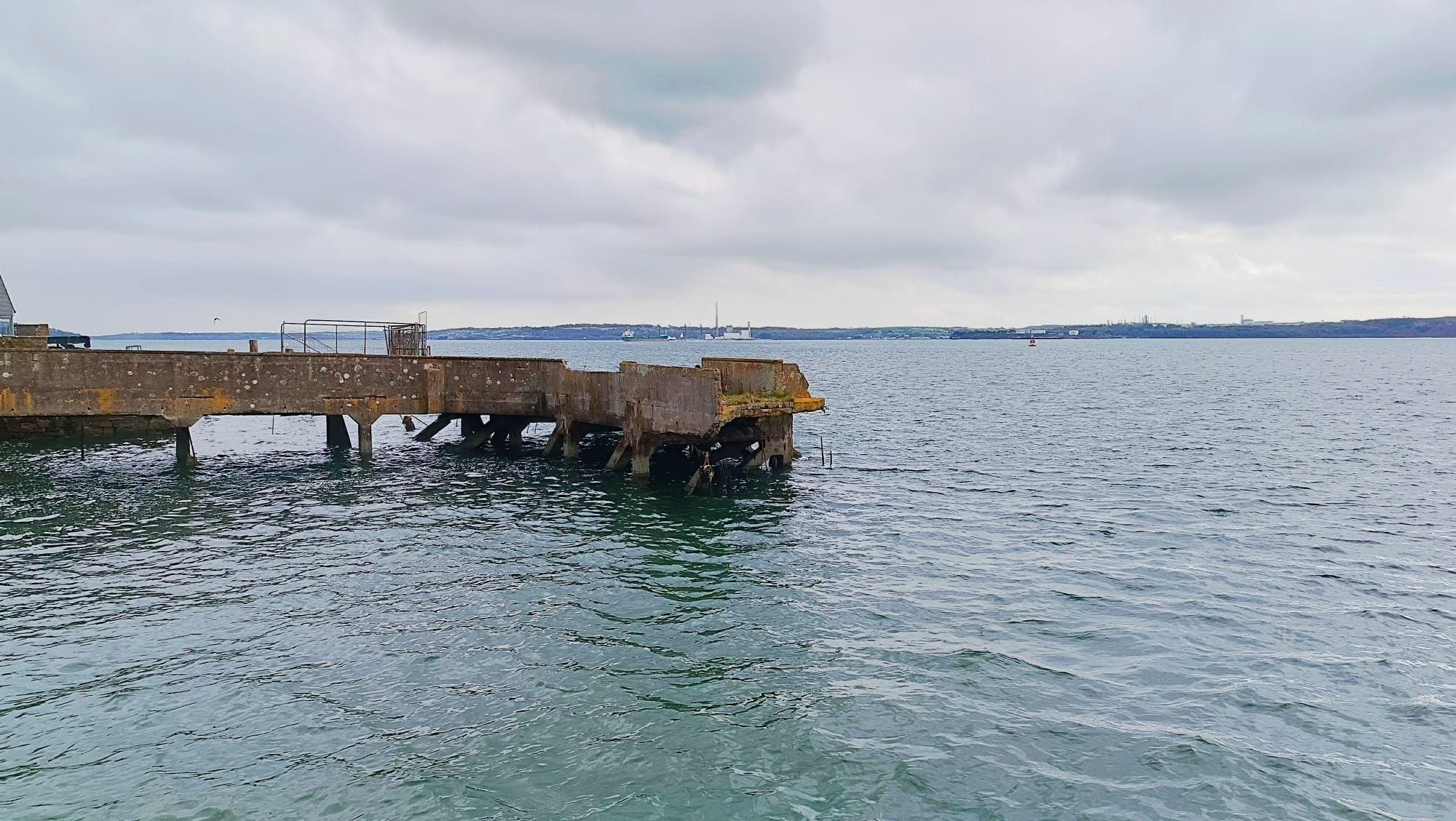
Although local residents describe Cobh (particularly the waterfront area) as a very pleasant place to live, a site visit, news reports, and a preliminary review of the scientific literature suggest that it is essential to consider the entire Cork Harbour area to understand its past transformations and current challenges. For example, the presence of an oil refinery and related traffic in the last two years has resulted in occasional oil spills, polluting the water supply in one case and causing massive fish kills in another; some plans to build waste treatment plants have been opposed by local committees due to potential environmental and health consequences; the progressive privatization of all port infrastructure, both commercial and recreational, and shipbuilding activities, by non-local companies has led to a gradual and complete abandonment of maritime-related work by the local population; among these, it is also noteworthy to note the lack of fishing activity (completely in the Cobh area), which has significantly shifted to the west coast of Ireland, and the loss of related skills (the last fishing boats are used only for recreational purposes). Furthermore, increasing problems in accessing housing have been reported due to a progressive increase in property prices (common throughout the country), and the lack of activity during the winter period linked to a lack of career opportunities and development opportunities for young people (compared to a significant influx of summer tourists, partly linked to cruise activity), as well as an increase in car traffic and the almost total lack of maritime transport between port areas.
Stakeholders interviewed and taking part in the debate suggested that one of the main issue is a lack of environmental problems awareness and a disattachment of inhabitants from the context of life, with dispersed initiaves supported by a vibrant voluntaristic context which is scarcely coordinated and able to achieve effective impacts in terms of revitalisation of community sense of belongingness and re-appropriation of public spaces and notably connecting with the sea.

 Chiara Certoma'