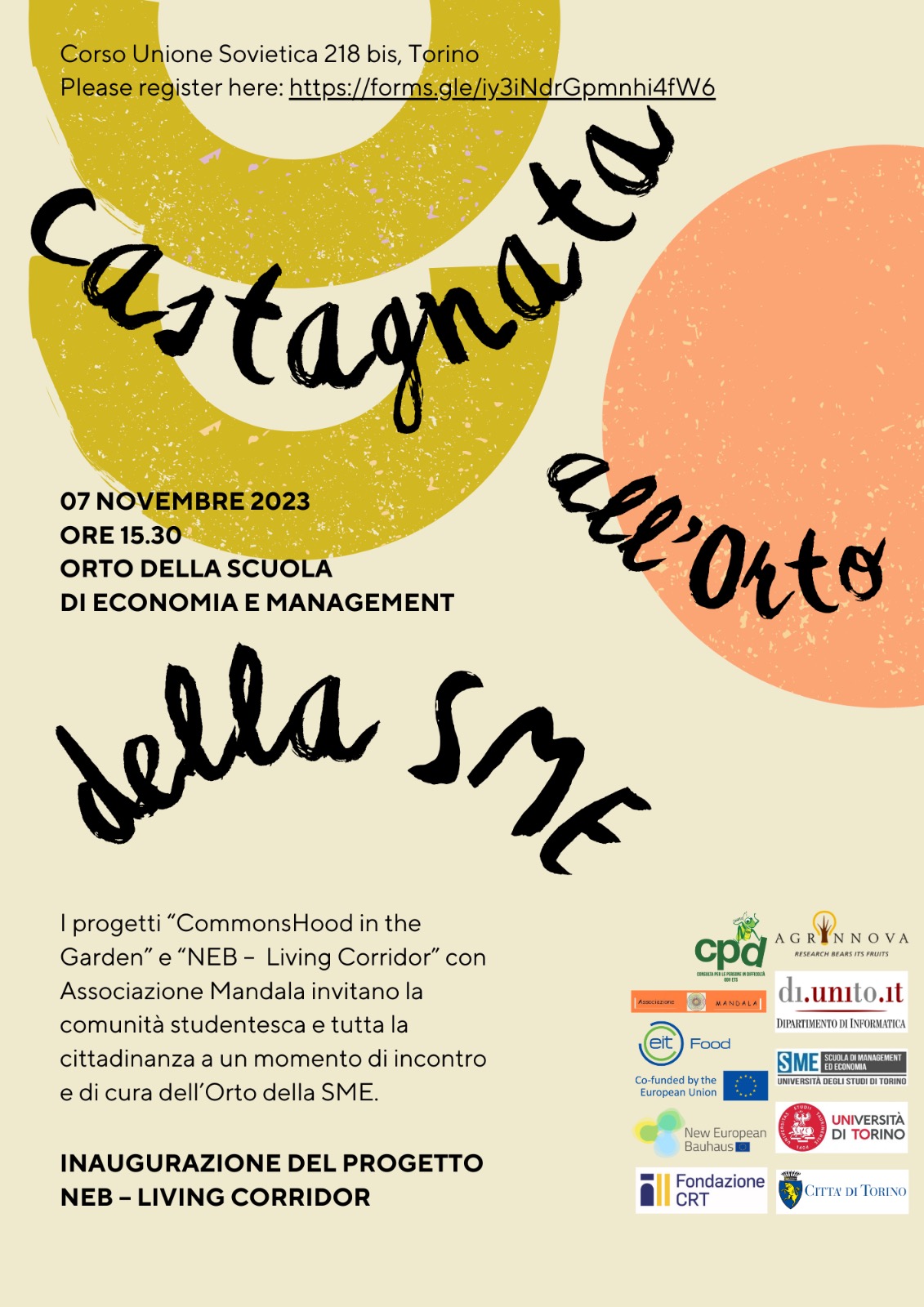
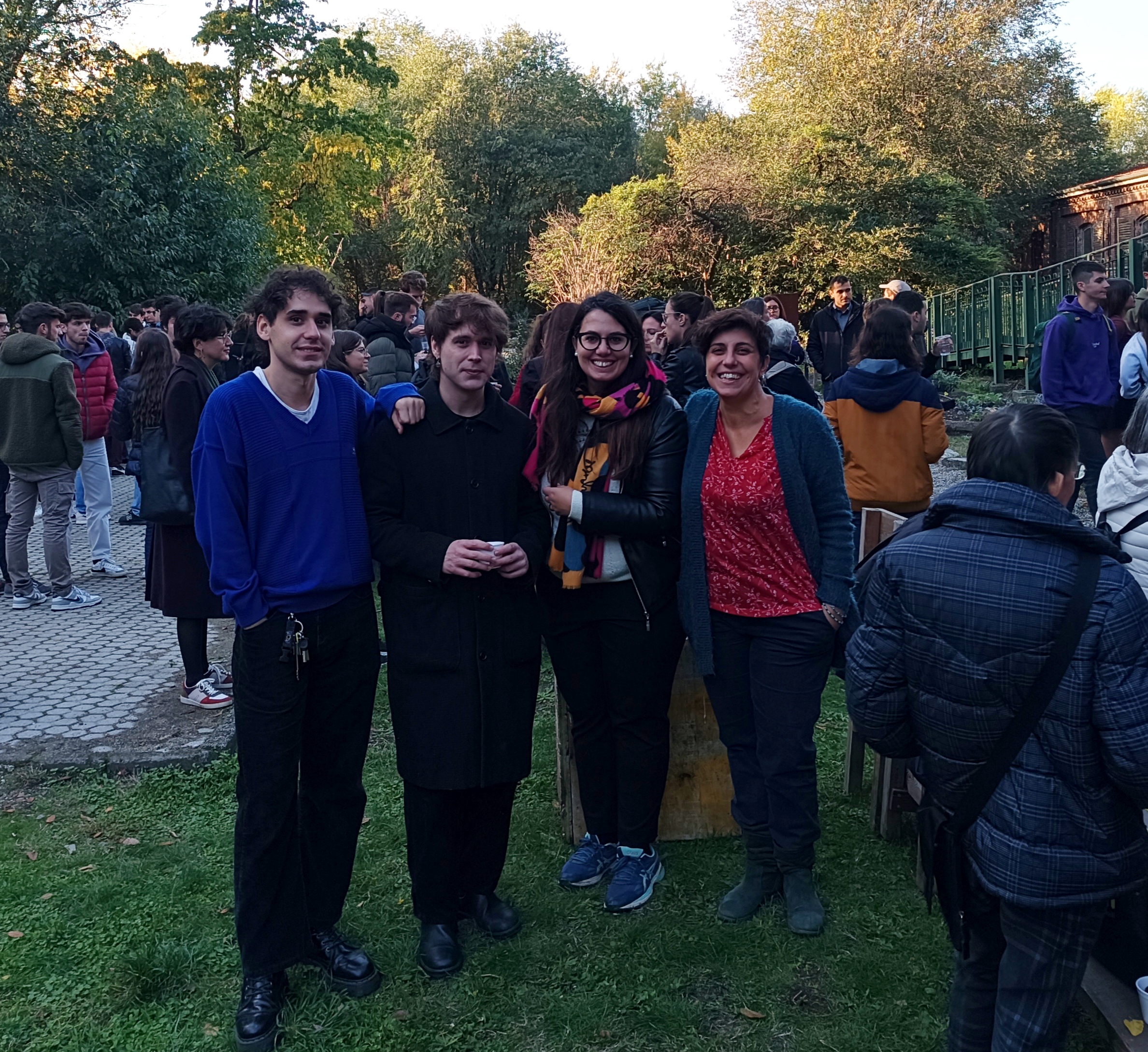
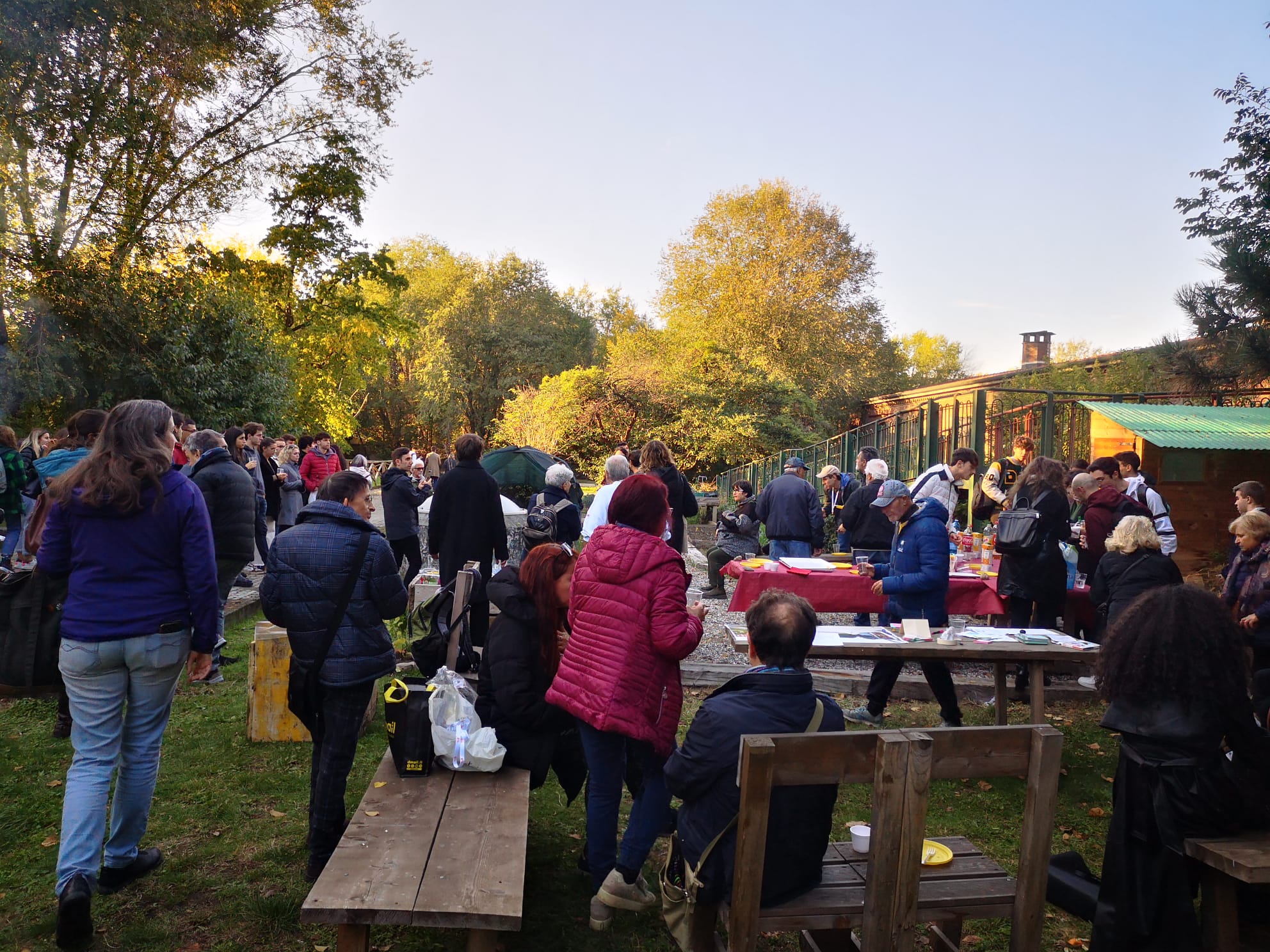
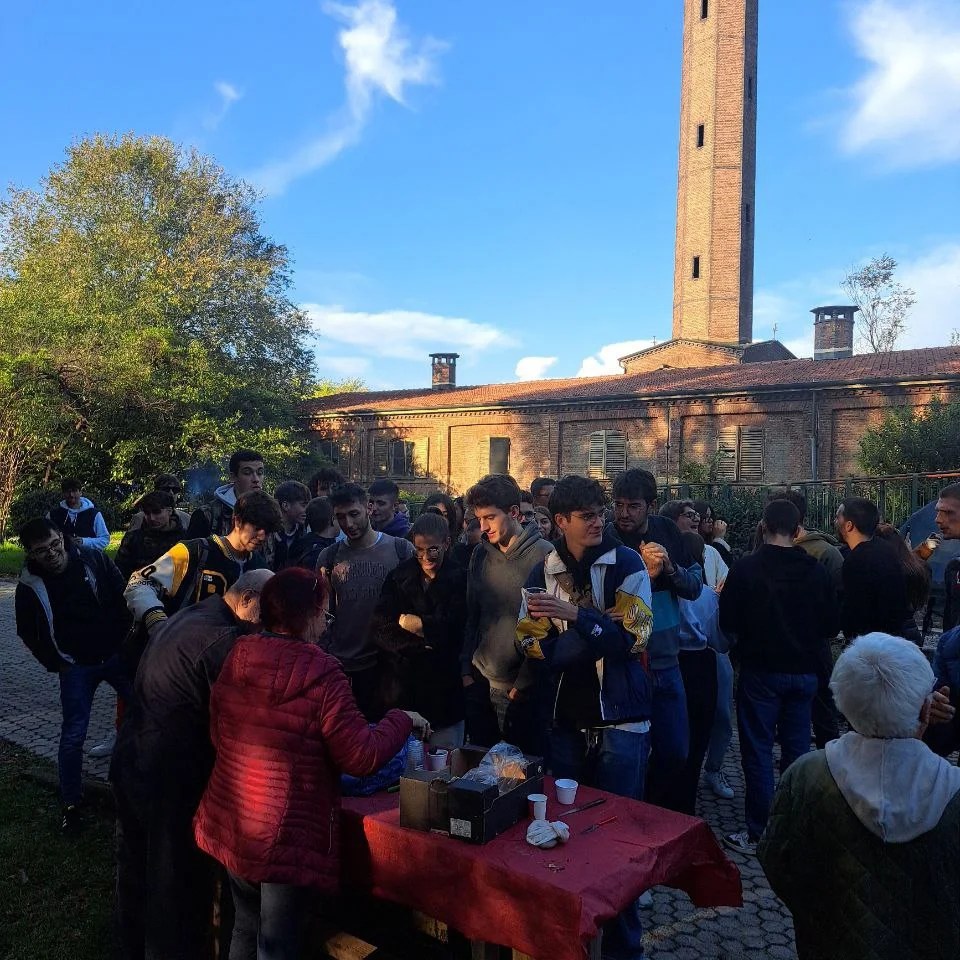
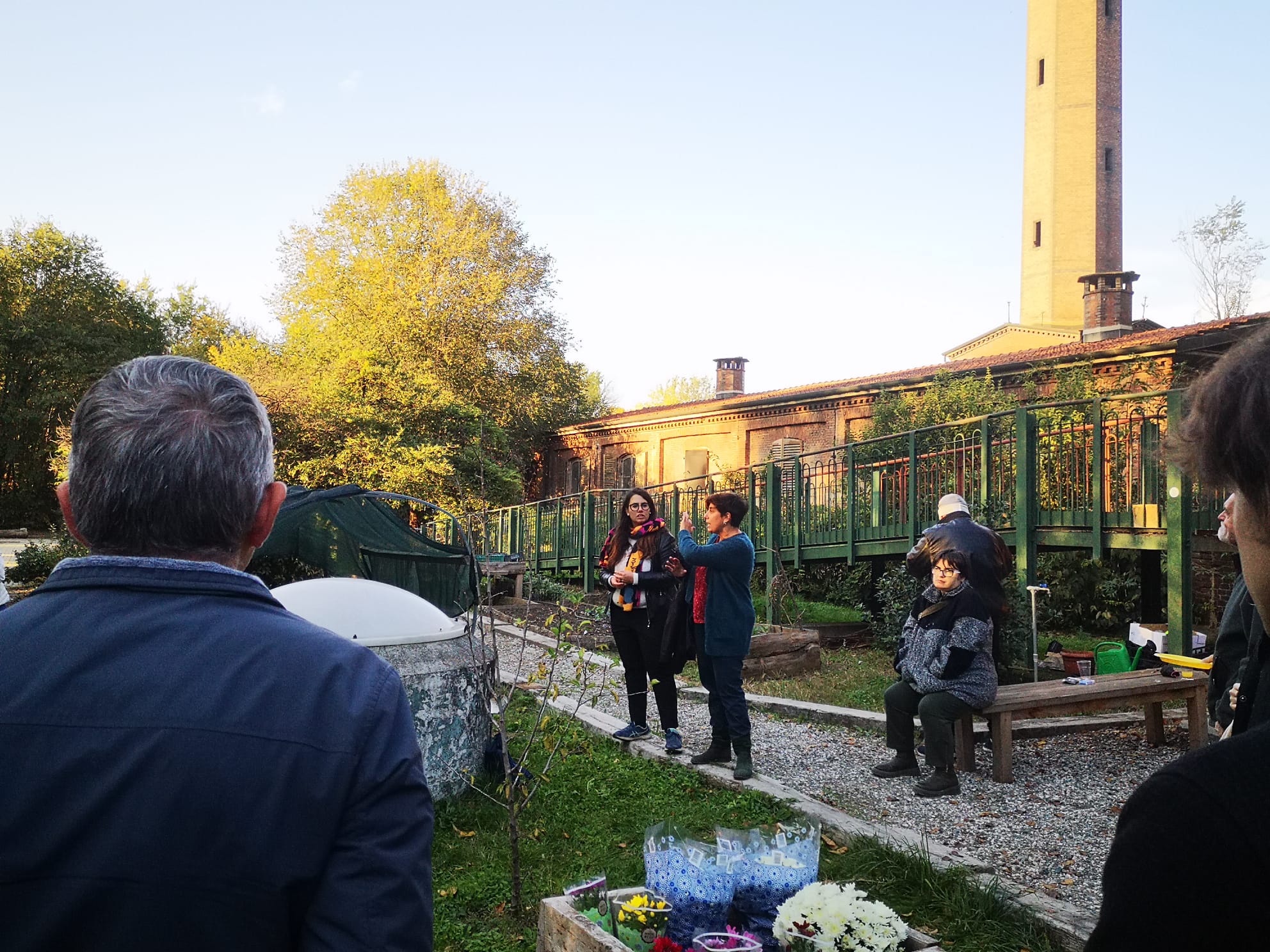
The ‘CommonsHood in the Garden’ project with Associazione Mandala invites the student community and the entire citizenry to a moment of meeting and caring in the SME Garden. The event will be held on Tuesday 7 November at 3.30 p.m. in the garden of the School of Economics and Management of the University of Turin (Corso Unione Sovietica 218 bis, 10134, Turin). During the event there will be the inauguration of the “NEB – Living Corridor” project supported by EIT – NEB funds and in partnership with the City of Turin. We invite you to register on this form: https://forms.gle/iy3iNdrGpmnhi4fW6
NEB Living Corridor – New Project Funded by EIT NEB on the SME Garden
The NEB Living Corridor (LC) project is a partnership between the University and City of Turin. It aims at amplifying the existing co-designed space through building an inclusive, multi-stakeholder corridor to enhance the vitality of communities and the environment. It will consist of a physical internal street that links together several stakeholders that are present in the area: the City, the School of Management and Economics of UniTo, and three associations working with vulnerable and elderly people. The NEB LC @SME will follow a holistic approach to sustainability, incorporating both social and environmental objectives into the engagement actives that aim to drive more inclusive nature-based solutions for food production. In providing a spatial link between buildings, and a social link across generations, the citizenry who work and study can engage with local communities in the area, fostering greater solidarity around food security, care for public spaces and mental wellbeing.
The NEB LC @SME aims to connect all the actors gravitating around the area, creating an exciting public space for citizens of all ages. The project will continue regenerating the area around the urban vegetable garden, opening a linear space of roughly 500 meters from via Filadelfia to via San Marino. The area serves nearly 10.000 students and staff per day, as well as offices dedicated to disabled and vulnerable people and the elderly, making it an optimal place to develop social and environmental innovation with citizen-users. The objectives are to restore the historical memory of the place while tackling several pressing issues, such as sustainability, access to food, biodiversity and diversity. Engagement activities (i.e., workshops, focus groups, research) will be co-developed along these themes to promote knowledge exchange. The project is connected to the previous EIT NEB Citizens Engagement project and new funds collected in 2023 from banking foundations and from the University
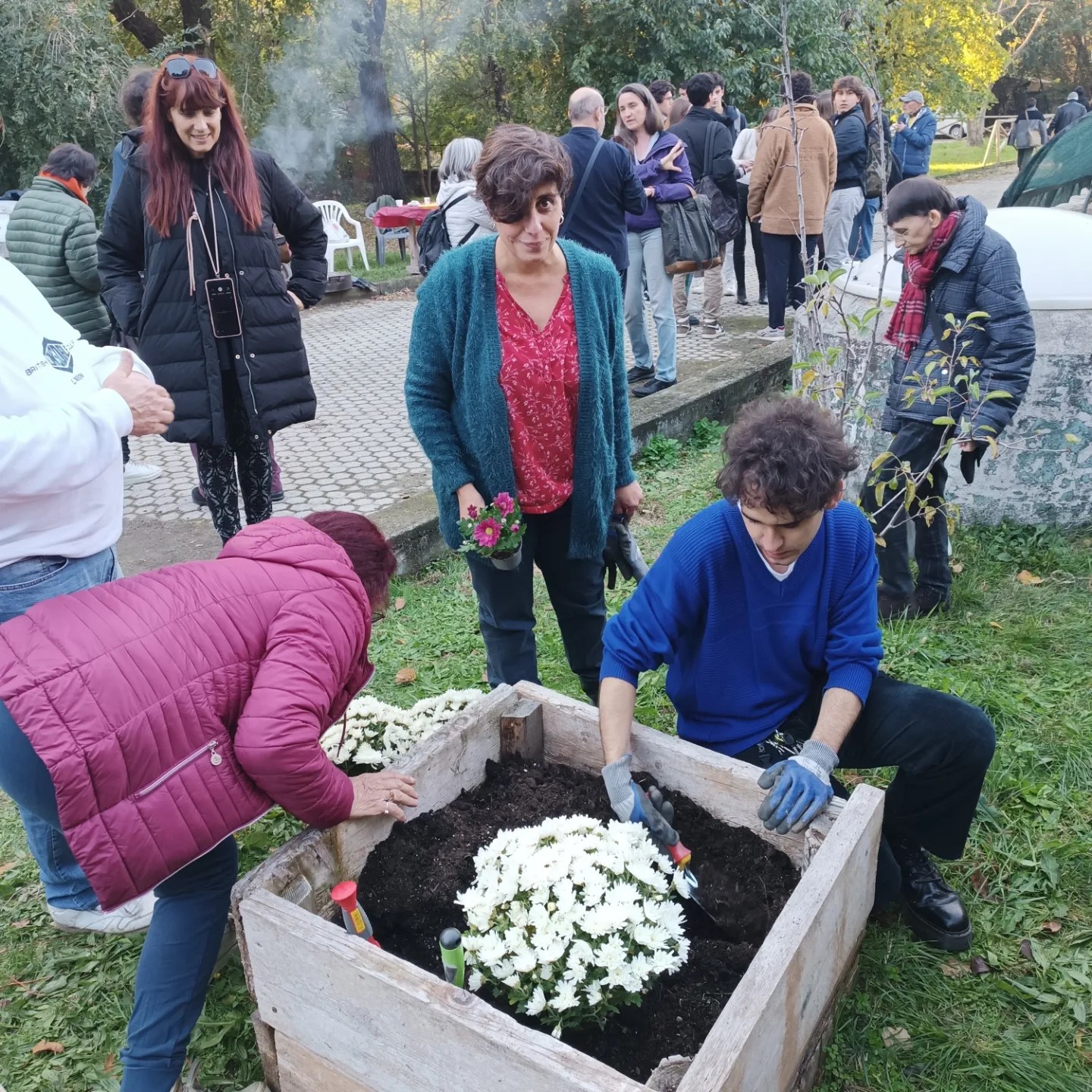
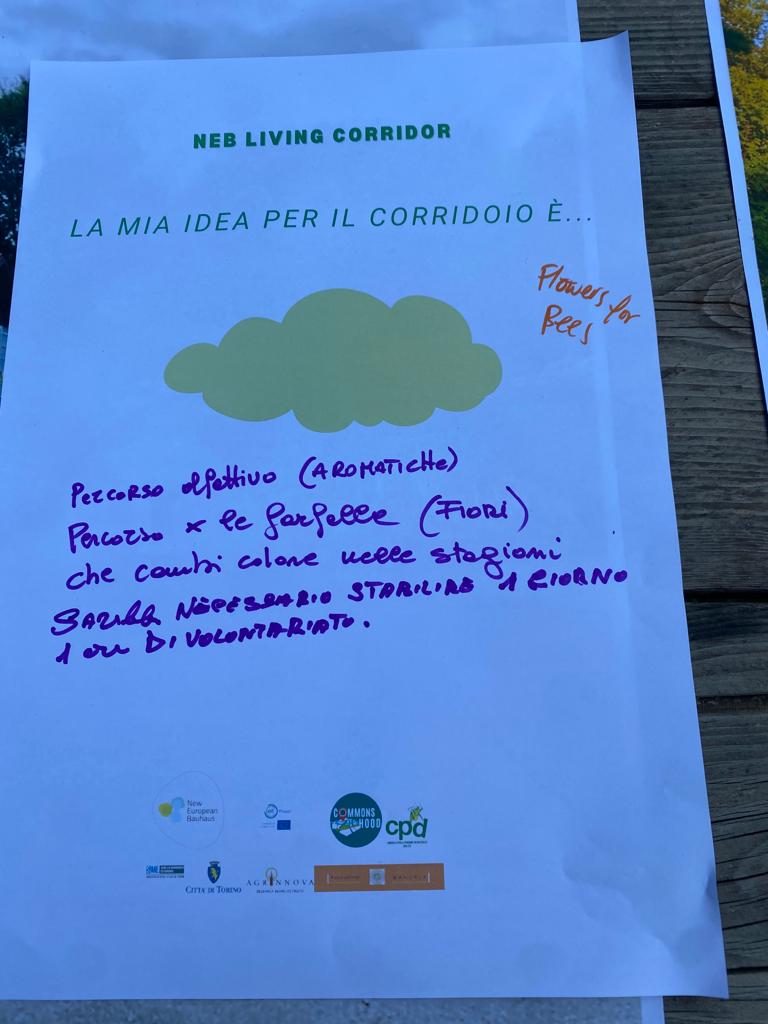
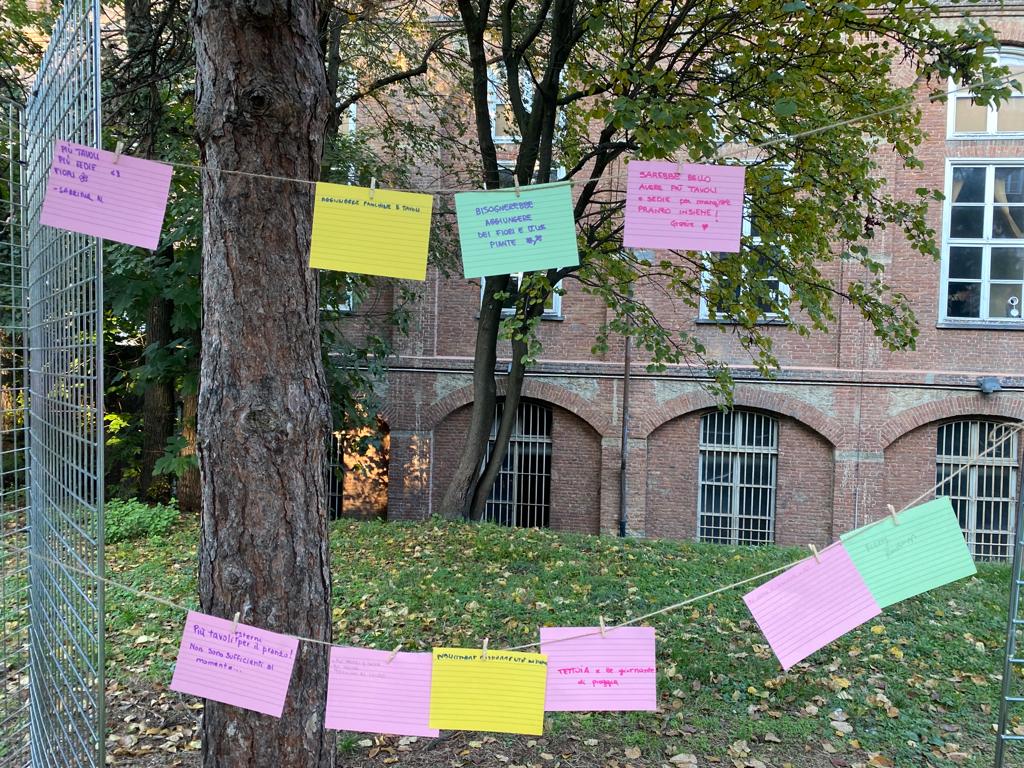
Corridor activation will involve building several small container gardens with recycled materials, which will have edible plants and local artworks. Mandala will hold monthly meditations for groups facing psychological distress (i.e., students, university staff, employees, pensioners, people with disabilies) and offer gardening and social activities. The germplasm bank will offer edible plants suitable for humans and pollinators. UniTo will manage the space to collect, catalogue and disseminate seeds of native plants, favouring reciprocal exchanges between the community of citizens and elders cultivating their own gardens. A special workshop will be organized to start exchanging seeds and cultivating plants within an area of at least 50m2. Knowledge exchange will involve dialogues regarding sustainable food production and well-being.



[Italian version]
Siamo entusiasti di annunciare che la Scuola di Management ed Economia (SME) di Torino, tramite il Dipartimento di Management e il Dipartimento di Scienze economico-sociali e matematico-statistiche si è assicurata un prestigioso finanziamento da parte dell’Istituto Europeo per l’Innovazione e la Tecnologia nel settore alimentare (EIT Food), contribuendo al paradigma del New European Bauhaus (NEB). Dopo il successo dell’Orto alla SME, il nuovo progetto durerà dall’autunno fino alla fine di maggio 2024. A partire dal 7 novembre, si svolgeranno attività per migliorare il valore estetico e la sostenibilità dello spazio, attraverso nature-based solutions e iniziative co-create con la cittadinanza.
Informazioni sul progetto: Il NEB Living Corridor @SME mira a connettere tutti gli attori che gravitano intorno all’area attraverso innovazioni sociali e sostenibili. Il progetto proseguirà riqualificando l’area attorno all’orto esistente, connettendo le diverse realtà rispettando sostenibilità, estetica, inclusione sociale ed economia circolare.
Il progetto prevede l’attivazione di un corridoio fisico, grafico e sinergico, attraverso la costruzione di fioriere, esposizioni artistiche, fotografiche, e visive. L’associazione Mandala si occuperà di un calendario di meditazioni mensili aperte a gruppi che affrontano disagio psicologico, nonché attività di giardinaggio e sociali. Attraverso lo spazio si faciliterà anche lo scambio reciproco di piante tra la comunità di cittadini e anziani che coltivano gli orti adiacenti. Il progetto favorirà inoltre lo scambio di conoscenze sulla produzione alimentare sostenibile e sul benessere. Il progetto vede anche una collaborazione con il centro Agroinnova aumentando la consapevolezza e la conoscenza dei cittadini sulle malattie delle piante nelle aree urbane. Gli obiettivi del progetto includono il miglioramento estetico, sostenendo la conservazione della biodiversità dell’area metropolitana più ampia, l’inclusione, coinvolgendo una comunità diversificata di stakeholder nell’affrontare le sfide collettive, e la sostenibilità, attraverso la co-creazione di uno spazio verde per una comunità più sostenibile.
Questo progetto è reso possibile dalla collaborazione di diversi stakeholder della comunità, tra cui Città di Torino, l’Associazione Mandala, la Consulta per le persone in difficoltà, Agrinnova. Il progetto avviene, tra l’altro, in sinergia con l’esistente progetto di ricerca CommonsHood in the Garden, realizzato in collaborazione con il Dipartimento di Informatica.
 Chiara Certoma'
Leave a comment